The All-Star Game Revealed Baseball's Real Closer Depth—and Why It Matters for Fall Bullpen Bets
By PropBetEdge Editorial Team ·
When the AL's parade of unheralded arms shut down the NL 4-0 in Philadelphia, the market got a live showcase of bullpen talent most bettors haven't priced yet.
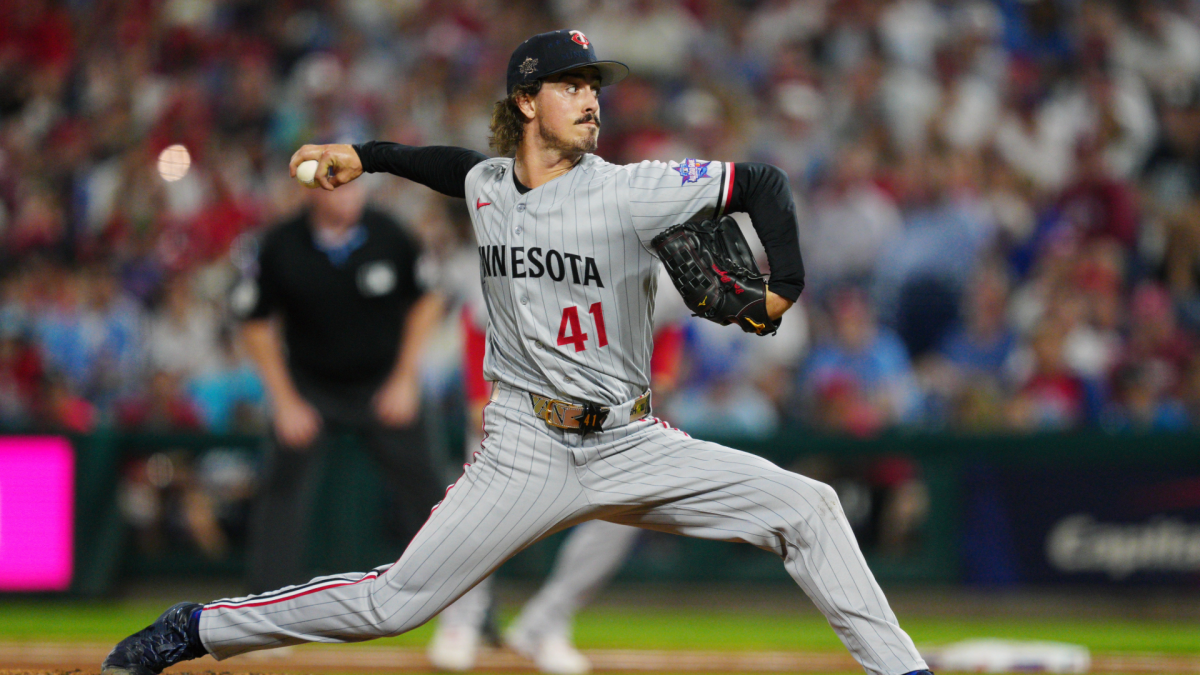
The 2026 All-Star Game in Philadelphia turned into an inadvertent casting call for October. The American League's 4-0 victory hinged almost entirely on pitching depth so far beneath the national radar that four of the nine innings were thrown by relievers making their first All-Star appearance. Dylan Cease, a two-time Cy Young top-five finisher, was somehow playing in his inaugural Midsummer Classic. Parker Messick had 26 career starts. Nick Martinez signed a one-year prove-it deal with Tampa Bay. Jacob Latz spent eight seasons grinding in the minors before finally sticking at age 31. These weren't aging retreads or organizational filler—they were the season's best-performing arms at their roles, yet most had barely registered nationally before Tuesday night.
The real story wasn't the notable absences. Yes, Gerrit Cole is still recovering from Tommy John surgery. Shohei Ohtani is sidelined. Jacob Misiorowski, Chase Burns, and Paul Skenes stayed home for workload management. That's acceptable and expected. What the game proved instead is that when elite teams build their bullpen depth charts, they're mining talent that box-score aggregators and national sports radio routinely overlook. Cade Smith in his third year is one of baseball's best closers. Louis Varland, a first-time All-Star reliever, already carries 2.7 WAR this season—a number most sportsbooks haven't incorporated into their closer reliability tiers. Bryan Baker, 31 and overlooked for years, threw the final out in a 4-0 shutout. These are the arms that will matter in October, and they're being underpriced in futures because their names didn't trend on ESPN.
From a betting mechanics perspective, the All-Star Game performance is a data point that validates a specific edge: bullpen-dependent closing lines in playoff scenarios. The AL assembled a parade of mid-tier names and threw a complete-game shutout against a National League roster loaded with perennial all-stars. The NL's only runs came off Cy Young candidate Cristopher Sánchez in the first inning and a solo shot from Miguel Vargas in the eighth. This wasn't a fluke—it was the result of intelligent roster construction meeting performance reality. Reliever WAR, strikeout-to-walk ratios, and leverage-situation usage patterns of these second-wave closer types have been predictive of postseason performance in prior years, and Tuesday's game reinforced that deeper pitching depth often outperforms star power in high-leverage environments. The market has a tendency to weight All-Star selections as a proxy for October reliability. It shouldn't. A reliever's actual workload, spin metrics, and role consistency in high-leverage spots matter far more than whether their name made the Midsummer Classic.
For bettors working October lines in September and beyond, this game serves as a sharp reminder to dig into team bullpen depth charts rather than relying on aggregate All-Star counts. Teams with Cade Smiths and Louis Varlands—names that didn't move the needle nationally but carried elite performance markers this season—will carry closing-line value in playoff scenarios that adjust too slowly toward marquee names. Similarly, any team dependent on an aging or recently-injured ace for its postseason narrative (Cole's continued recovery timeline, Verlander's legend status despite age) will trade at a premium that underestimates the contribution of secondary arms. The shutdown performance Tuesday wasn't a one-night anomaly; it was a showcase of the pitchers who will actually get saves and hold leads in October. Bettors who recognize this before September market corrections will have an edge.