Raleigh's Grand Slam Redemption: When a Catcher's Slump Meets a Manager's Miscalculation
By Erik Schwartz ·
Cal Raleigh punished Cincinnati's intentional walk with a 408-foot grand slam, but the real story is whether his power is returning or a single cathartic moment masking a deeper offensive collapse.
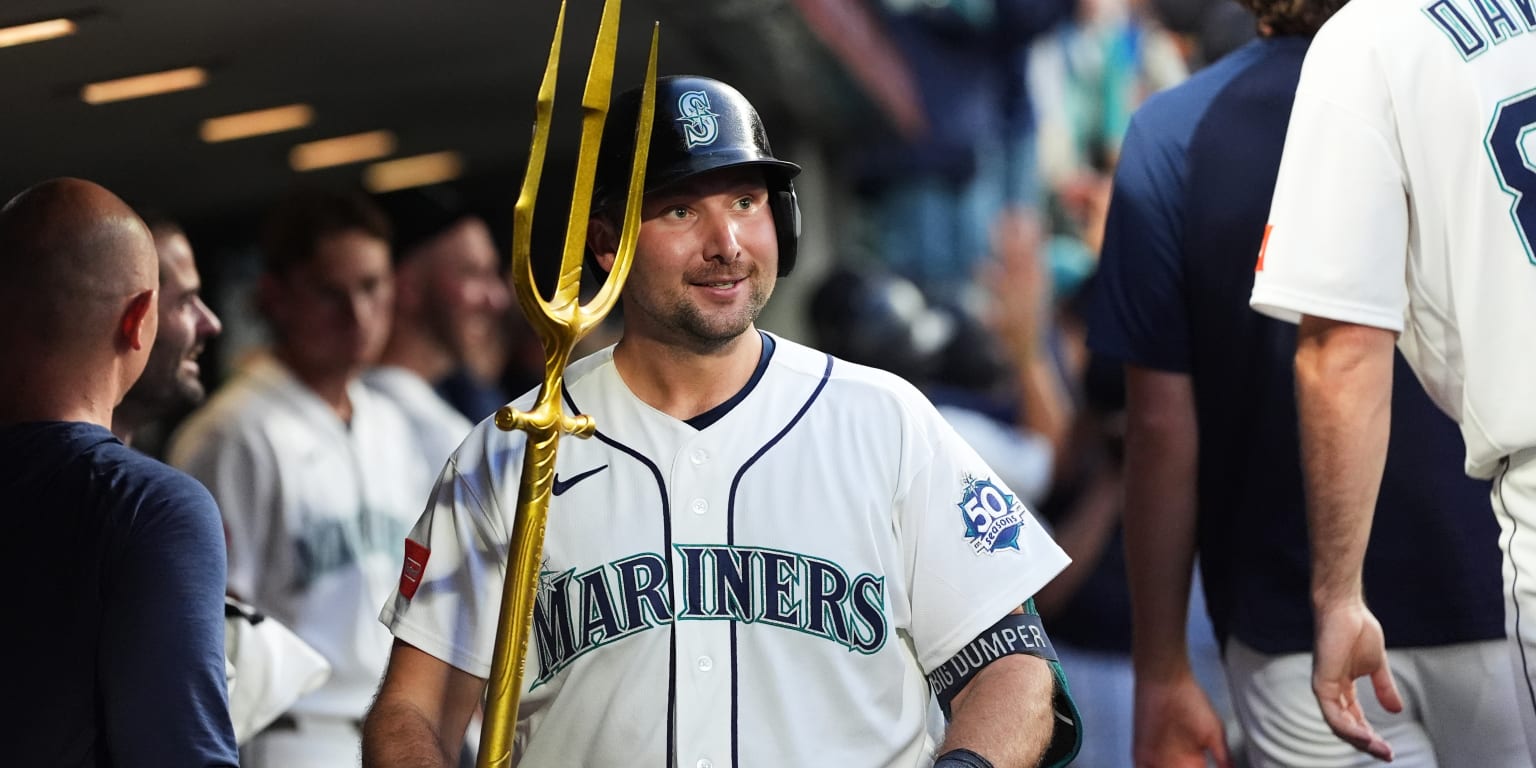
Cal Raleigh crushed a grand slam off Caleb Ferguson on Monday night, sending the Mariners past the Reds 8-0 and reminding Seattle—and everyone else—that the catcher's bat can still produce at the highest moment. The sequence itself was nearly inexplicable: Terry Francona's Cincinnati staff intentionally walked Dominic Canzone with the bases loaded to face a left-on-left matchup with a hitter who had gone hitless in 15 straight at-bats. Ferguson's hanging slurve on the first pitch was Raleigh's invitation, and he didn't waste it—a 408-foot rocket to left field, his longest home run since April 6.
What makes this moment worth examining is the context it reveals about Raleigh's 2026 season. Before Monday's blast, he had not homered since July 4, a 17-day drought for a player whose value to the Mariners' offense depends on consistent power production. He'd hit only twice since returning from the injured list on June 16, a compressed window that suggests either a lingering physical issue or a fundamental disruption in his timing and confidence. The platoon matchup that prompted Francona's decision—lefty-on-lefty with Ferguson—wasn't unreasonable on its surface. Canzone has evolved from a pure bench player into an everyday bat with improved numbers against southpaws. But Francona underestimated either Raleigh's ability to sit back on a mistake or the psychological toll that a 15-at-bat hitless streak inflicts; Raleigh attacked the hanging slurve with the aggression of someone who needed a moment like this.
The power display itself—408 feet, second-deck placement—signals that the mechanical foundation hasn't eroded. Raleigh's bat speed was there. His ability to generate exit velocity on a pitch in the zone remained intact. What remains to be seen is whether this represents a genuine inflection point in his season or a single cathartic release that masks a deeper offensive struggle. A catcher hitting only twice in 35 days carries major red flags; one grand slam doesn't reverse the trajectory without follow-up performance over the next 10-15 games.
For prop bettors, the angle hinges on whether Raleigh's power is unlocking or whether this was a high-variance moment against a specific pitch type he can't reliably exploit going forward. Ferguson's hanging slurve—a pitch designed to miss—is not a repeatable source of damage. If Raleigh's prior 15-at-bat drought reflected a genuine downturn in his ability to connect on fastballs and command-location breaking balls, one grand slam won't sustain a meaningful uptick in his home run rate over the next month. The betting market will almost certainly inflate his next few prop lines on the strength of this single event; that's exactly the overcorrection to fade. What you want to track is whether his strikeout rate ticks up again in his next 20 at-bats (suggesting he's chasing) or whether his contact rate normalizes against typical fastball sequencing. The grand slam was real. The question is whether it's predictive.