Ashcraft's Perfect Record Breaks, Naylor Stands Firm, Lewis Seeks Positional Escape
By PropBetEdge Editorial Team ·
A first-inning run against Ashcraft, a shoulder HBP for Naylor, and a positional pivot for Lewis reshape the betting calculus for three teams chasing depth.
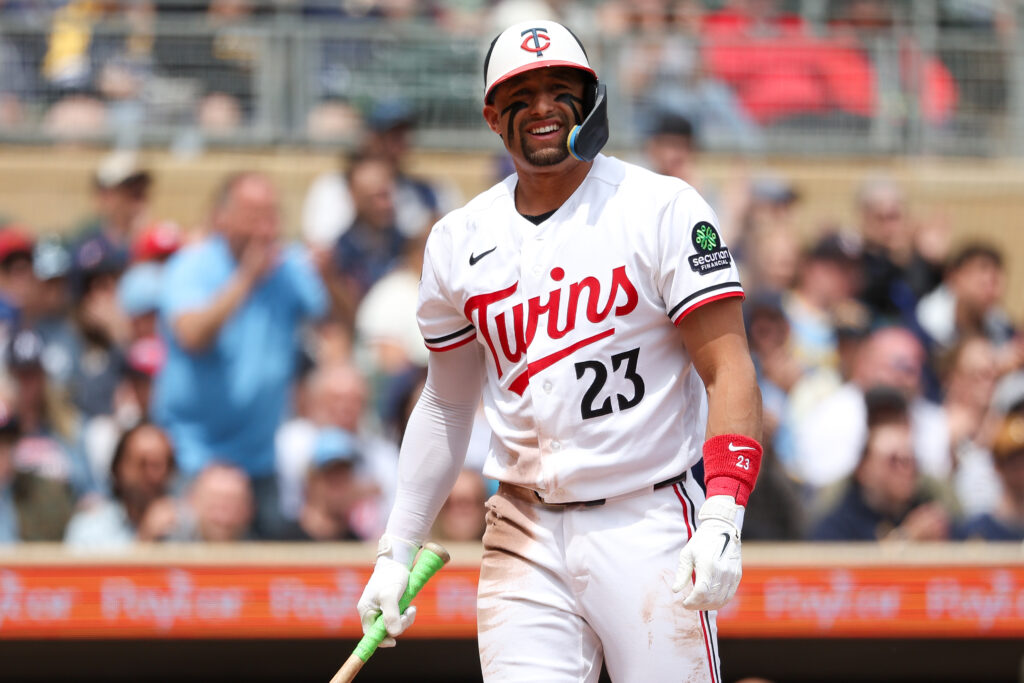
Braxton Ashcraft's 13-game start to the 2026 season came with an unusual pedigree: zero first-inning runs allowed. That streak ended yesterday against Atlanta when the Braves scored twice in the first, including an Austin Riley double that broke through a line Ashcraft had held for his entire career. The Pirates starter allowed six earned runs on nine hits across five innings in a 6-3 loss—a sharp departure from his season trajectory. Ashcraft's 3.28 ERA and 2.1 fWAR (seventh among qualified starters through 79⅔ innings) still position him as a reliable mid-tier arm, but yesterday's outing carries weight for Pirates backers. The exposure to early runs, if it marks a genuine shift in his opener patterns rather than an isolated anomaly, could pressure over/under pricing on his next start; markets had priced the first-inning immunity into his profiles.
Over in Seattle, Josh Naylor absorbed a 96 mph fastball to the right shoulder from Tigers starter Keider Montero in the fifth inning of the Mariners' 4-0 win. Naylor stayed in the game and openly attributed the pitch to intention—a reads-the-room moment that matters for injury risk assessment. High fastballs to the shoulder carry genuine concussion hazard, and while Naylor's ability to laugh it off and finish the game is a positive short-term signal, the Tigers' message (whether intentional or not) signals escalation in a series. Naylor's durability through the 2026 season has been a prop anchor for Seattle; any uptick in hit-by-pitch frequency or shoulder soreness could ripple through his next-game availability lines and batting totals.
Royce Lewis's brief detour to the minors ended with his recall yesterday, but the move came attached to a positional reassignment that speaks volumes about the Twins' assessment of his value. Lewis, the 2017 first overall pick, has struggled mightily at the plate—52 wRC+ over 123 plate appearances with a strikeout rate exceeding 30%—and the organization is now pushing him toward first base flexibility after years anchored at third. Brooks Lee, his replacement at the hot corner, carries a 96 wRC+ over 242 plate appearances, a stark production gap. Lewis's move to first base in the ninth inning yesterday signals a front office pivoting from pedigree to pragmatism: he'll be positioned in lower-leverage situations while the Twins protect their lineup construction. For bettors, Lewis's prop lines (runs, RBIs, hits) should compress downward as opportunity and quality of at-bats both shrink. Any line lingering at season-average totals before the positional shift is fully priced in represents a fade opportunity; the market has not yet adjusted for his role compression.
Ashcraft's first-inning exposure and Lewis's positional demotion share a common thread: both reveal organizational adjustments that hadn't been fully baked into preseason or recent market pricing. Ashcraft's streak was a novel differentiator that likely steered some early-game run props; its break doesn't invalidate his season performance, but it removes the edge his openers had carried. Lewis's situation is more transparent: a hitter already posting a 52 wRC+ will see fewer high-leverage at-bats and likely fewer scoring opportunities as a utility first baseman rather than a starting third baseman. If his prop lines remain tethered to his full-season rate stats rather than adjusting for reduced playing time and positional downgrade, they become short-term fades.