Guerrero Jr.'s Two-Month Collapse Isn't Mechanical—It's Structural
By PropBetEdge Editorial Team ·
Vladimir Guerrero Jr. has posted back-to-back brutal months (.498 OPS in June, .623 in May) while the Blue Jays offense sinks, and the culprit appears systemic rather than correctable by rest.
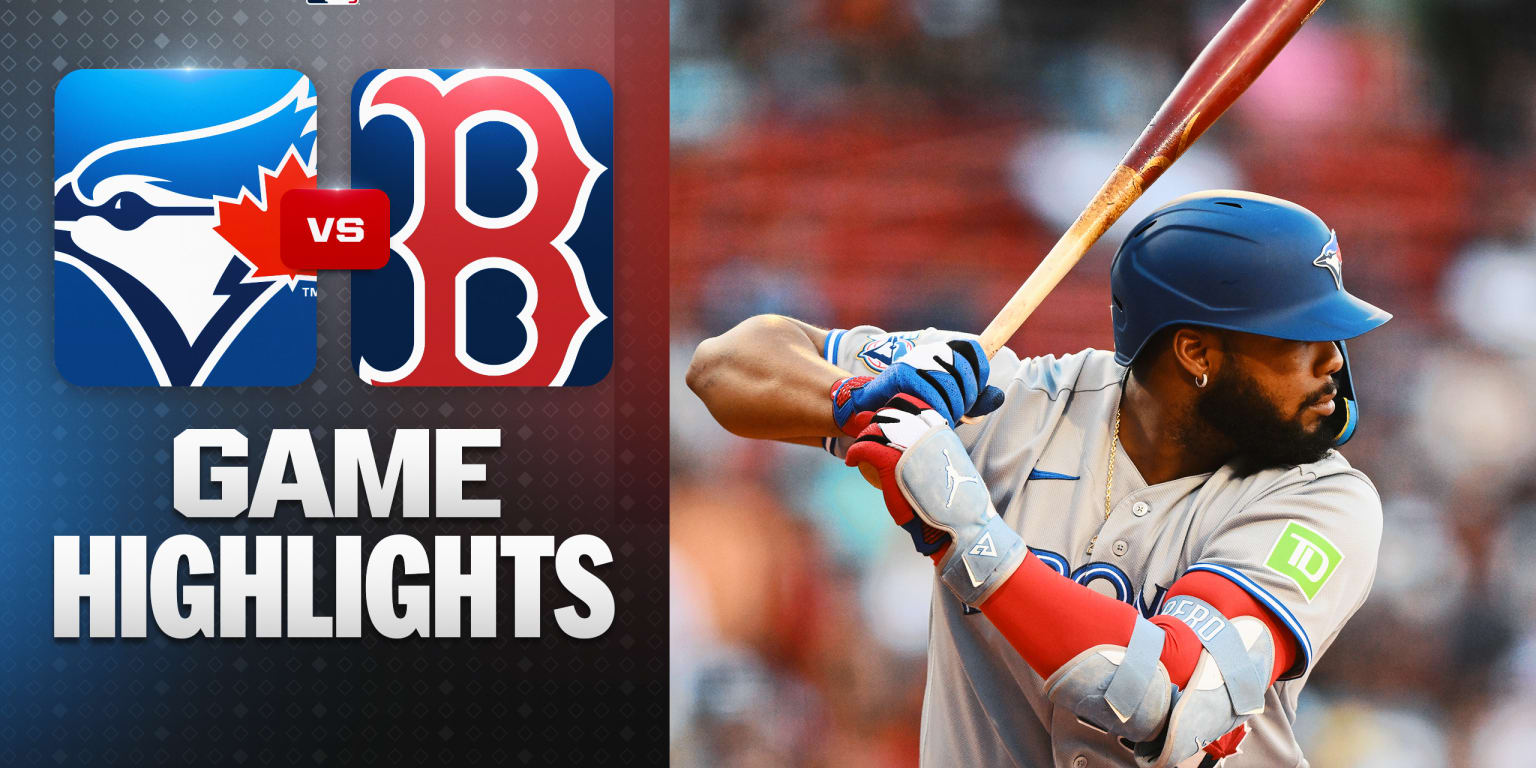
Vladimir Guerrero Jr. posted a .498 OPS in June—the weakest full month of his career—following a .623 OPS in May, the third-weakest. For a franchise cornerstone coming off an incredible postseason (.397/.494/.795 over 18 games), this two-month crater represents far more than noise. The Blue Jays are seven games under .500 and 25th in runs scored, a deficit that traces directly to Guerrero's collapse and the broader offensive stagnation around him.
The back tightness that surfaced in mid-June and forced him out of the lineup 90 minutes before first pitch on June 30th provides an obvious explanation—except it doesn't fully hold. The downturn began weeks earlier, and the underlying metrics most sensitive to physical limitation haven't cratered the way a true mechanical breakdown would require. Manager John Schneider's characterization after Tuesday's game leaned optimistic: Guerrero was "really close," working through 300+ swings daily in practice, and returned Wednesday with a first-inning double that registered among his eight hardest-hit balls of the season. The back is a contributing factor, not the whole story.
What emerges instead is a more insidious pattern. Guerrero hasn't homered at Rogers Centre since Game 6 of last year's ALCS—nearly nine months at this writing. He has just six total dingers anywhere in the period since that last home-field blast, and only four in 2026. Meanwhile, 76 different players have cleared the fence at Rogers Centre in that same span, a roster that includes utility infielders and temporary callups. The hitting approach hasn't fundamentally broken; he's not underperforming his expected stats by an outlier margin. But the power stroke has simply vanished. This isn't a mechanical correction waiting for rest. It's a performance ceiling shift, one that resists easy diagnosis and therefore easy repair.
For prop bettors, Guerrero's sustained downturn reshapes the texture of Toronto's run-production exposure. His season home run total now carries genuine fade value—not because of a single outlier month, but because the nine-month domestic power drought and four dingers year-to-date suggest his power environment has materially compressed. The back tightness creates single-event volatility, but the structural collapse predates it by weeks. Betting against his individual power props (over 0.5 HR per game, 1+ HR in a series) captures an edge that persists regardless of whether the back fully resolves. The market will likely treat near-term Guerrero props as injury-contingent; savvy books will price them as regression-resistant.
The deeper risk for Toronto is that Guerrero's slide isn't isolation. A lineup 25th in runs scored doesn't have a single-player fix. If Guerrero returns to form and the team still can't score, the problem has moved from star player to ecosystem. For now, treat his individual props with caution—the back provides cover for a near-term bounceback narrative that overlooks a much longer performance history.