MLB
Gavin Williams' Four-Seam Renaissance Rewrites His Strikeout Floor
A mechanical fix unlocked the Guardians pitcher's elite fastball, turning a June liability into the game's most dominant four-seamer over the last six weeks—and that velocity carries betting weight.
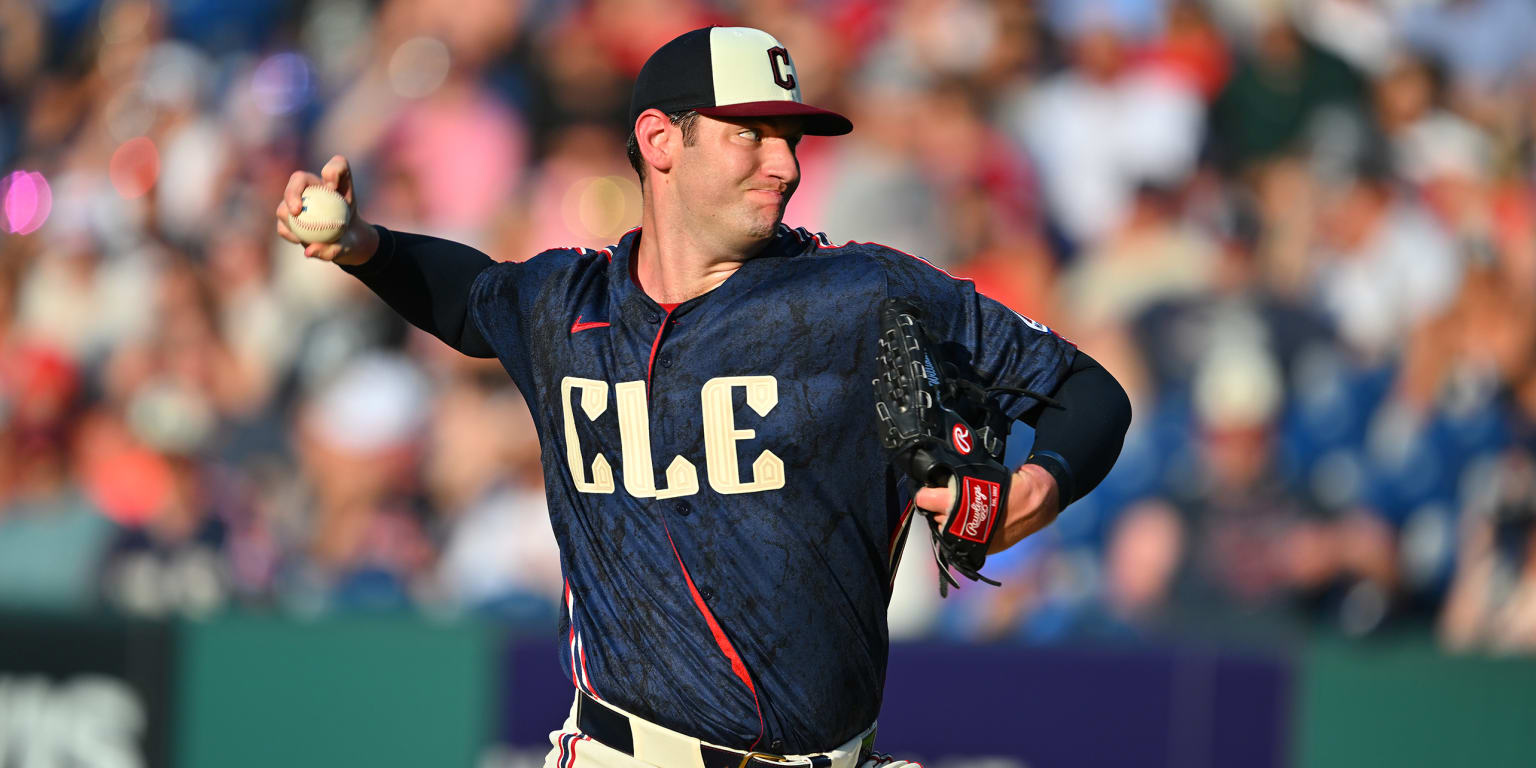
Gavin Williams just completed one of the most efficient five-start runs in modern baseball history. Between July 9 and August 2, the Guardians right-hander struck out 55 hitters while issuing just three walks across those five games—a feat matched by only Pedro Martinez (1999), Curt Schilling (2002), Clayton Kershaw (2016), Justin Verlander (2019), and Corey Kluber (2015) since 1901. The strikeout volume alone would command attention; the walk rate makes it historic. Williams' performance sits in rare air: Clayton Kershaw, who accomplished this feat three times in 2016, remains the only other pitcher to do so multiple times in the modern era.
The dominance wasn't inevitable. Six weeks ago, Williams operated as a different pitcher—one who had retreated from his four-seam fastball out of command necessity. In June, he leaned heavily on his sinker (28% usage against righties) while his four-seamer usage had cratered to just 17% against the same split. The math was simple: his four-seamer zone rate ranked fourth-lowest among pitchers throwing at least 250 of them; he was missing glove-side consistently, and hitters had stopped chasing. So Williams made a strategic retreat, betting on the sinker's seam-shifted wake action to maintain vertical deception. It worked tactically for a stretch, but it wasn't who he was as an elite strikeout artist.
A mechanical tweak in July reversed course entirely. Williams adjusted his delivery—he credits becoming "more rotational" in his approach—and his four-seamer zone rate spiked from 34% in June to 49.4% in July. More critically: since July 1, opposing hitters are batting .080 (4-for-50) against that four-seam fastball, the lowest average against any qualified four-seamer in baseball over that window. Only Dylan Cease's slider has a lower batting average against any pitch in that span. Williams isn't just locating the pitch; he's hitting the top of the zone with surgical precision, turning velocity into strikeout equity.
For prop bettors, the timing matters enormously. Williams is scheduled to start Friday against the Padres at Progressive Field in a postseason-stakes matchup—11 days after that historic stretch concluded. The market will price him at standard Guardians ace rates, but the mechanism here is concrete: his fastball is now a top-five strikeout weapon in baseball, his walk rate remains elite, and the mechanical fix is sticky, not a blip. His strikeout prop will reflect the 55-K/ three-walk baseline through the end of August, but sharp books haven't yet fully repriced his per-start strikeout floor given the fastball's rebound. Early-card numbers will carry the edge before the broader market catches up to what Cease-level fastball data suggests.
The one caveat: Williams himself ended the five-game stretch with a 7-K, 2-BB performance on August 2 against the White Sox—solid but mundane by his recent standard. A single outing never invalidates a month-plus trend, but it signals that even elite pitchers regress slightly when sampled game-to-game. The four-seam fastball is durable; leverage against single-game variance is not. Target his K props in multi-start packages (next two starts, next three starts) where the mechanical edge overwhelms short-term noise.
MLB Intelligence — Baseball intelligence beyond the box score. Open MLB Intelligence →