MLB · transaction
Pitching Dominates the Deadline: How Workload Risk Reshapes July Betting
With 24 of 30 teams within striking distance of a playoff spot, starting depth—not stars—will drive the August 3 trade deadline, and that creates measurable risk for bullpen-heavy teams over the next five weeks.
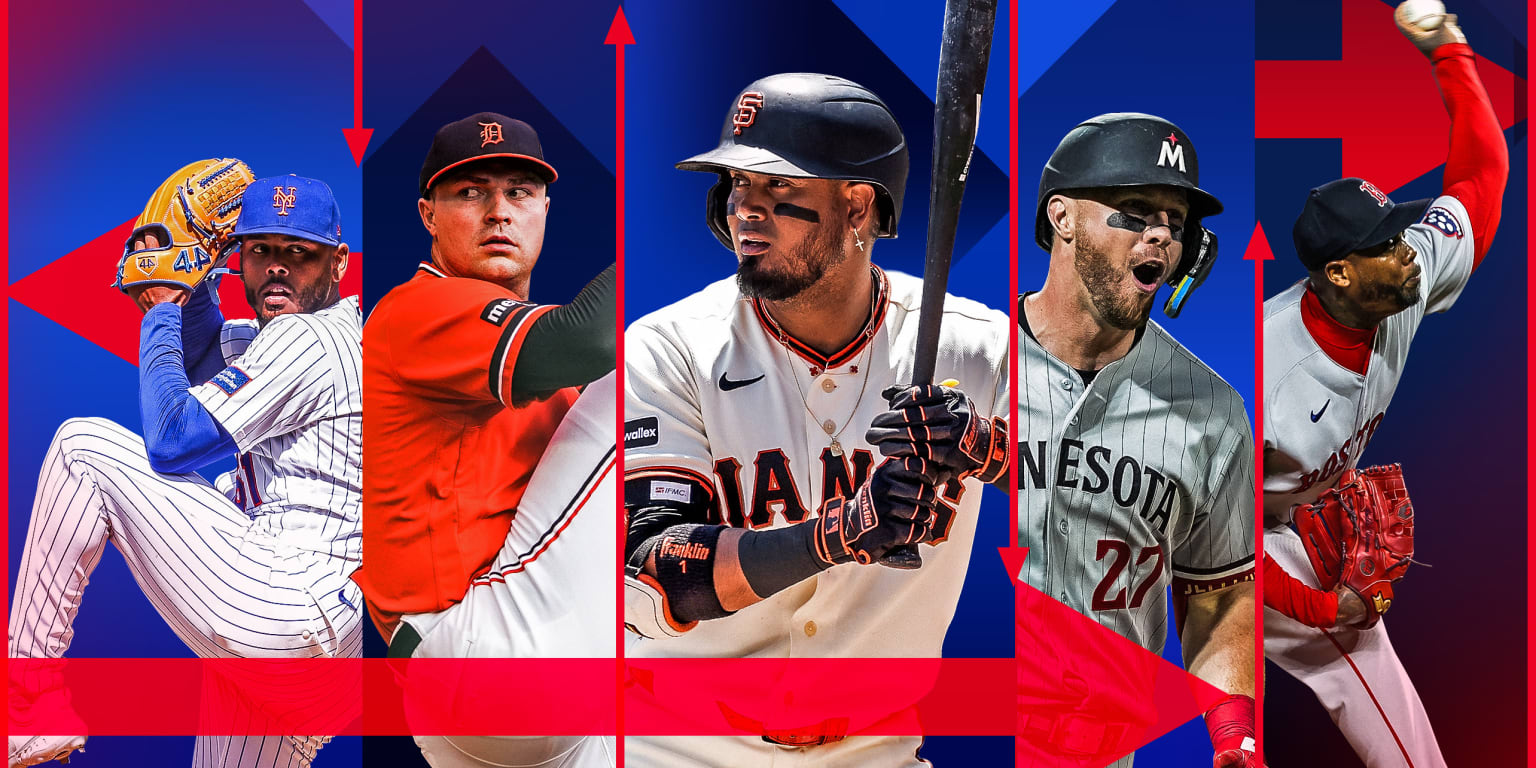
The 2026 trade deadline is 34 days away, and the market already has a clear theme: pitching. Nearly every contender needs arms, and that shortage will force teams into difficult choices about workload management and bullpen reliance through July. With 24 of 30 teams within 4.5 games of a playoff spot as of Monday, the competition for available starting pitchers will be fierce—and that scarcity is already baking itself into how teams deploy their existing rotation.
Tampa Bay's rotation leads the AL with a 3.29 ERA, but the Rays have thrown only 399 innings from starters, 13th in the AL. Shane McClanahan and Griffin Jax carry documented workload concerns, forcing manager Kevin Cash toward an opener-heavy approach in the fifth starter slot. That setup eats deeper into a bullpen that has already logged heavy innings. The Yankees, meanwhile, are in a different hole: catcher production so severe (.178 batting average, .526 OPS, 19 RBIs) that it will almost certainly force a mid-season acquisition, though GM Brian Cashman has historically resisted disrupting pitching continuity mid-season. The Guardians sit atop the AL Central with a -8 run differential—a classic contender-in-name-only scenario that demands offensive reinforcement. Chicago's surprising run to contention has made them buyers despite a 352⅔-inning rotation workload (lowest in the AL), while Texas bullpen strikeout numbers (7.8 per nine, dead last in AL relief) expose them to late-game leverage problems.
The deadline pressure point isn't just about acquiring talent—it's about who gets squeezed in the meantime. Teams short on reliable starters will run their relief arms harder through the rest of June and all of July. The Rays and White Sox face particular squeeze pressure because their rotation depth is thin relative to playoff-run demands. That manifests in bullpen usage: fewer rest days, higher leverage assignments, and cumulative fatigue entering August. For pitching props, this means elevated strikeout variance in bullpen arms belonging to rotation-thin teams over the next five weeks, and innings-pitched ceilings for overworked starters trying to survive until the deadline.
On the batting side, the market has already begun pricing in the offensive weakness of contenders like Cleveland and New York. The Guardians' .670 OPS at first base and .648 at DH represent clear below-replacement production. The Yankees' catcher hole is so acute that even a league-average acquisition would feel like an upgrade. These gaps won't close until a trade happens; until then, team offensive totals and DH/first-base-adjacent prop lines will carry execution risk because the personnel is known to be suboptimal. Fade team offensive totals for the Rays, White Sox, and Guardians through early August unless the underlying lineup shuffles meaningfully. The Yankees' team total carries risk until catcher production stabilizes—either through Wells' potential breakout or through a deadline acquisition.
The betting edge here is defensive: teams that haven't yet solved their deadline need (and will need to trade for it) are carrying hidden fatigue and inefficiency costs that aren't fully baked into prop lines yet. The Rays' bullpen ERA might look fine at 3.82, but that 3.82 assumes normal usage. If McClanahan and Jax workload fears force 65-70 relief innings over the next month, that 3.82 turns into 4.2+ real quick. The White Sox starter situation is similar: fewer high-leverage relief options mean starters will be asked to go deeper, which creates volatility on their strikeout totals as fatigue compounds. Lean unders on bullpen strikeout props for Tampa and Chicago relievers over the next five weeks, and watch starter K-prop lines for signs of regression (pitch-count climb, fastball velocity drop) as the rotation workload crisis deepens.
MLB Intelligence — Baseball intelligence beyond the box score. Open MLB Intelligence →