Tatis at Second Is a Defensive Sacrifice the Padres Are Making for Lineup Depth
By PropBetEdge Editorial Team ·
Fernando Tatis Jr.'s permanent shift to second base solves San Diego's offensive logjam but trades elite defense in right field for marginal positional adequacy.
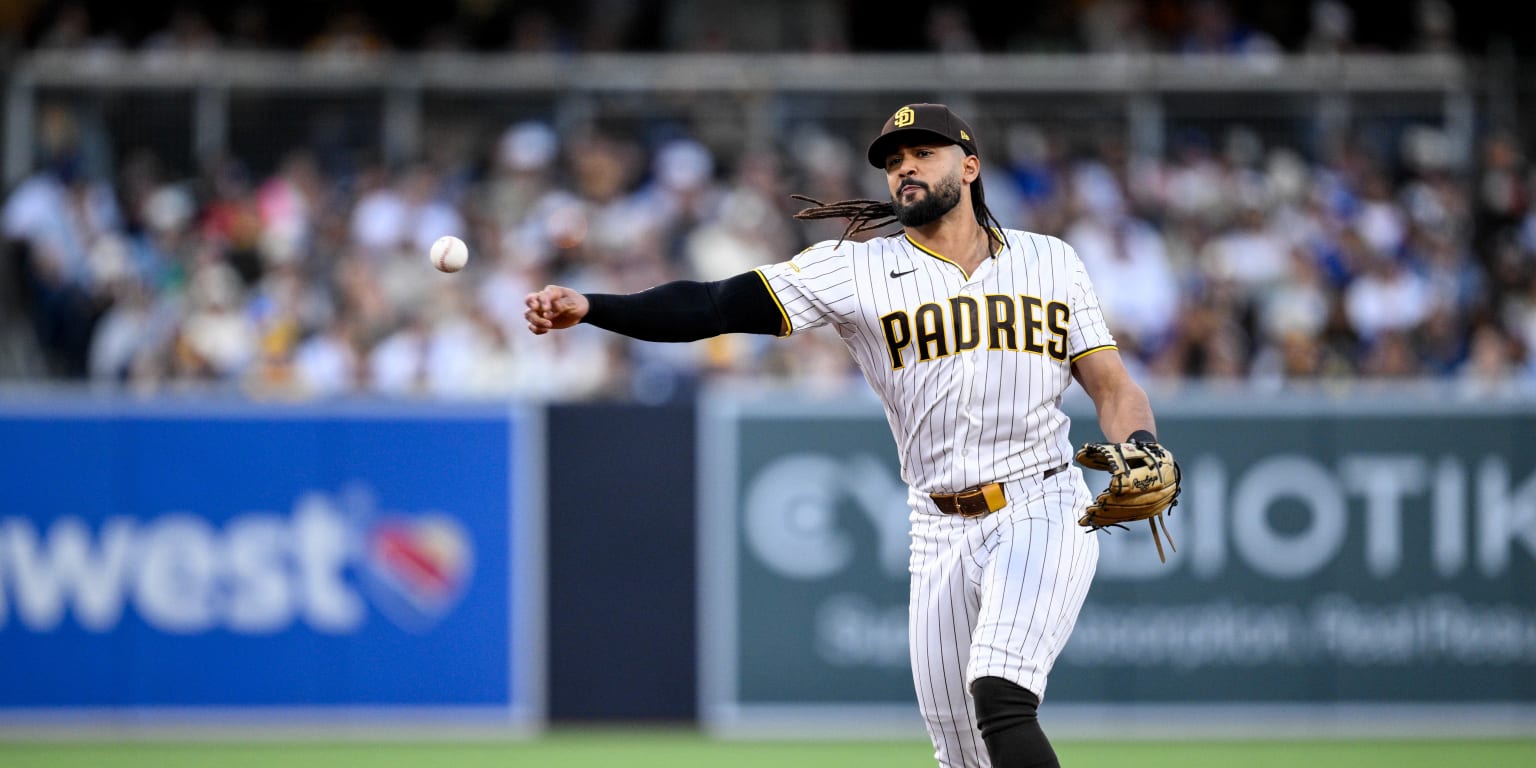
Fernando Tatis Jr. is now the Padres' everyday second baseman. There was no press release, no formal announcement—just a gradual shift that crystallized this week when he started all three games against the Dodgers and posted his fifth consecutive start at the position. What began as an occasional filling-in for an injured Jake Cronenworth has become permanent roster construction, driven by a hard mathematical truth: San Diego needs more bats in the lineup, and moving Tatis to second is the only way to keep Gavin Sheets, Miguel Andujar, Ty France, and Nick Castellanos all playing regular at-bats.
The logic is straightforward. Cronenworth's concussion removed the primary second baseman, and his replacement, Sung-Mun Song, isn't ready to carry an everyday role at the plate. The Padres could bench one of their corner bats and shuffle the outfield, but those four players have been their most productive hitters of late—especially as Manny Machado and Tatis himself have underperformed. Sliding Tatis to second unlocks this offensive combination without requiring the team to sacrifice a meaningful bat. Infielders coach Ryan Goins emphasized that "versatility" becomes a competitive edge when executed at Tatis's athletic level, and the evidence on defense has been acceptable: cleaner double-play turns, improved comfort with the position's geography, and defensive highlights like Tuesday's web gem off Mookie Betts that only he could make.
But there is a real cost to this arrangement, and the Padres have made a deliberate choice to absorb it. Tatis won the Platinum Glove Award last season as a right fielder—elite defensive production in a premium defensive position. Move him to second, and right field becomes a liability. No one replaces Tatis's combination of range, arm strength, and instinct in that corner. The team is essentially betting that their offensive gains from squeezing four corner bats into the lineup outweigh the defensive regression in right. As reliever Ryan Stammen noted earlier this month, the calculus is "score runs early, then put your defense in late." It's a statement about where this team believes its competitive advantage lies right now: depth, flexibility, and lineup construction—not defensive brilliance.
For prop bettors, this repositioning creates two distinct edges. First, Tatis's plate discipline and overall hitting profile remain unchanged by a position shift; his batting line won't meaningfully improve or deteriorate as a result of infield time. The real lever is lineup construction. With four supplementary corner bats now in regular rotation, the Padres' offensive variance—and therefore game totals—should tick upward. When Sheets, Andujar, France, or Castellanos all hit, San Diego's run-scoring capacity expands significantly. Second, the defensive downgrade in right field increases the probability of extra-base hits and defensive errors that drive run totals higher. Over the next two weeks, as this alignment settles in, look for Padres game totals to reflect both the offensive benefit and the defensive cost.
The market has likely not yet fully priced the magnitude of the lineup elasticity that Tatis's move to second provides. Books will adjust to the new permanent second baseman, but the cumulative effect of having four viable corner bats available simultaneously—a rarity even in deep rosters—is a structural offensive upgrade that justifies modest upward movement on Padres team totals. This isn't a single-game outlier; it's a multi-week repositioning that compounds as the new alignment gets regular usage.