Raleigh Ends 38-Game Hitless Streak: Breaking Pattern Doesn't Fix the Underlying Problem
By Ty Whitney ·
After a two-week offensive collapse that approached franchise infamy, Seattle's catcher recorded two hits in one game—but one night of competence doesn't erase a structural offensive crisis that prop bettors should still fade.
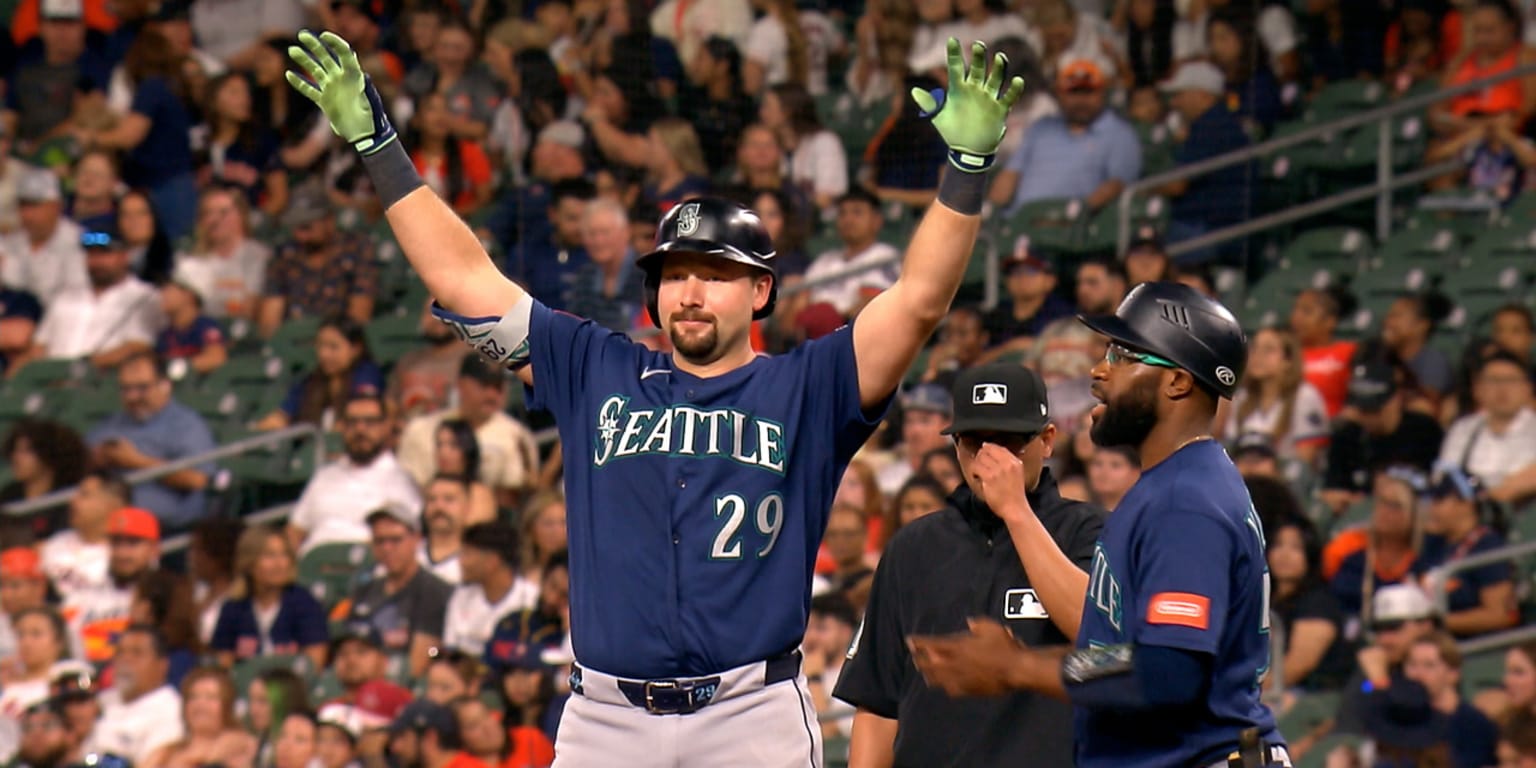
Cal Raleigh snapped an 0-for-38 stretch Tuesday against Houston with consecutive singles, a moment that generated enough relief in the Mariners clubhouse that teammates pretended to track foul balls for him postgame. The backdrop made the accomplishment feel historic: Raleigh was three hitless at-bats away from matching the franchise record for a skid, set by Jarred Kelenic in 2021. One game of output, though, doesn't rewire the seasonal reality staring everyone in the face.
Raleigh enters the night hitting .166—tied for the second-worst average among 175 qualified hitters. His on-base percentage sits at .249, ranking 170th. He's struck out 55 times, tied for ninth-most in baseball, and his specific vulnerability against four-seam fastballs (which comprise 37.4% of pitches he sees) reveals a structural mismatch: he's hitting just .093 against the league's most common offering. Those aren't noise numbers. That's a hitter fighting the game's design.
The Mariners have already reacted by dropping him from the two-hole to cleanup—a demotion no player wants but one that management felt necessary. His seven homers in a 20-game hot streak before this collapse showed power capacity exists, but that hot streak now feels like a mirage against the 0-for-38 that followed. Dan Wilson offered measured optimism, noting his at-bats have "gotten considerably better over the last couple days," a comment that reads less like a turn and more like standard managerial encouragement.
For prop bettors, the single-game breakout shouldn't trigger a position reversal. Raleigh's under-performance is rooted in pitch recognition and batted-ball quality against dominant fastball velocity—problems one game of execution doesn't solve. The fastball vulnerability is persistent: he entered Tuesday hitting .093 on the pitch type, and one or two hits won't shift his approach or the pitcher tendencies against him. His strikeout rate and low contact percentage against heaters remain structural until we see a multi-week correction, not a single-night relief valve.
The narrative momentum around Raleigh is understandable—a teammate-backed redemption arc plays well in the clubhouse—but markets shouldn't price a full turnaround yet. If his strikeout prop, hits prop, or batting average line moved higher on Tuesday's two-hit game alone, fade it. The 0-for-38 was real. One game was real. The seasonal trend is what matters.