Swanson Breaks Through After 30-Game Drought, But Cubs' Shortstop Problem Runs Deeper
By PropBetEdge Editorial Team ·
A two-run homer ends Dansby Swanson's 86-PA stretching across a month without power, yet his .175 average signals a structural offensive crisis that one swing won't resolve.
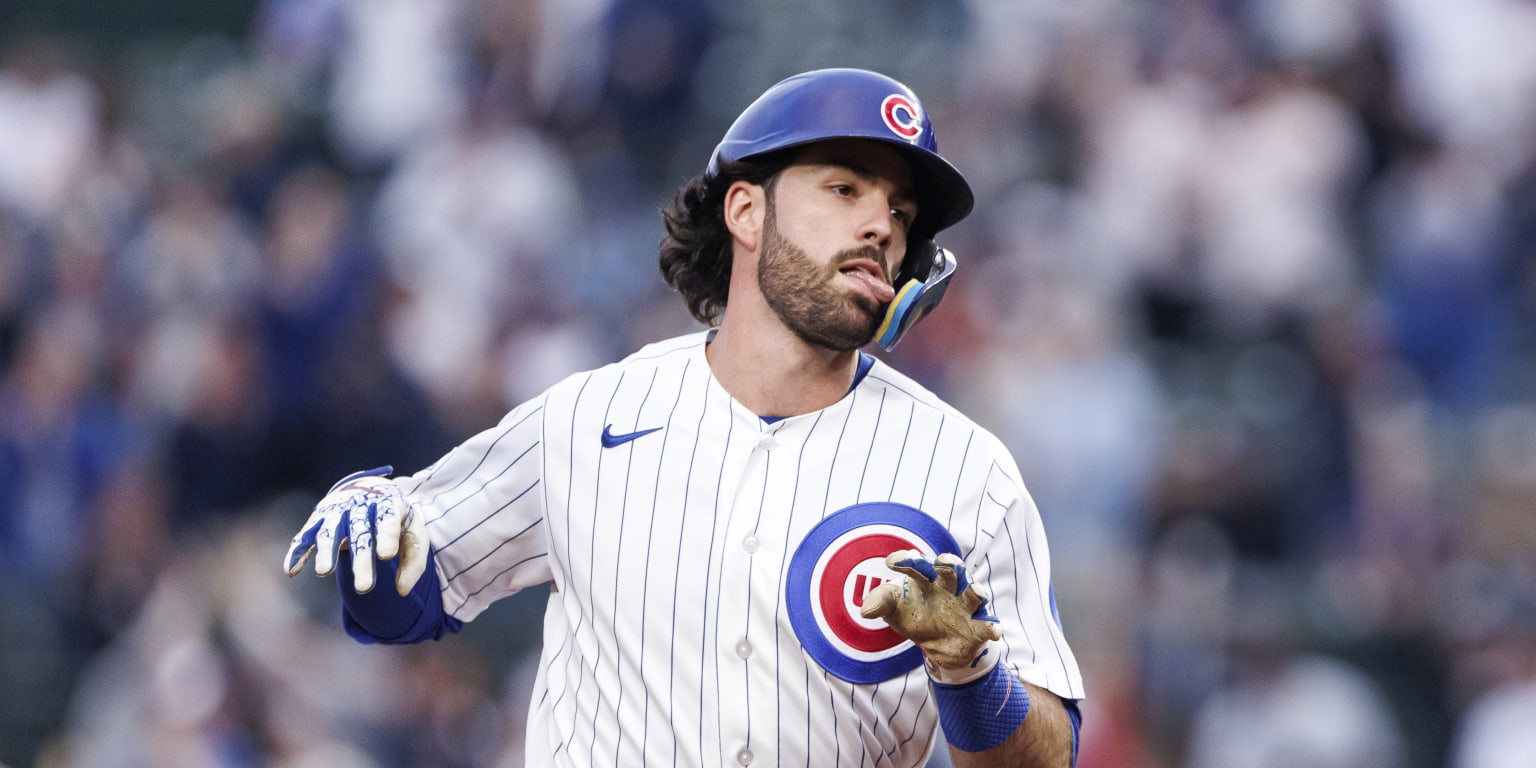
Dansby Swanson launched a two-run homer off Rockies lefty Sean Sullivan on Wednesday night—his first home run since May 18, snapping an 86-plate-appearance drought that consumed nearly 30 calendar days and four separate weeks of games. The blast came on a 102 mph exit velo at a 46-degree launch angle, riding a favorable wind into left-center field to ignite a seven-run second inning that powered the Cubs past Colorado, 8–6, at Wrigley Field. For Swanson, it was exhale-worthy. For the Cubs' front office, it's a relief that masks a much larger problem.
The power drought itself tells only half the story. During that 24-game stretch without a home run, Swanson batted .135 (10-for-74) and dragged his season OPS down to .587, a precipitous drop from the .668 mark he'd compiled earlier. More alarming: he entered Wednesday tied with Manny Machado for the lowest qualifying batting average in baseball at .175. One home run does not erase a month-plus of contact issues, plate discipline deterioration, or whatever mechanical or mental block has gripped his swing since mid-May. Manager Craig Counsell publicly committed to keeping Swanson in the lineup—"we should be continuing to invest in Dansby getting back to the offensive player that we know he is"—but that statement itself signals institutional anxiety. The team has reportedly considered deploying Matt Shaw or Pedro Ramírez at second base with Nico Hoerner taking more shortstop reps, a clear contingency plan if Swanson's struggles persist.
The Wednesday eruption—seven runs on seven hits in the second inning, plus a Pete Crow-Armstrong solo shot in the fourth that withstood replay review—came against a Rockies lefty, Sean Sullivan, whom Swanson may have been hunting. Sullivan gave up the two-run blast on a fastball at the lower inside edge; Swanson didn't miss. That selectivity matters. But one at-bat against a specific pitcher on a specific night inside a home park with favorable wind conditions is a single data point, not a trend reversal. The Cubs have now won two consecutive series after a brutal 10-series winless drought, so the timing of Swanson's homer coincides with a macro shift in team performance—one that could easily collapse back into May-June form if the lineup doesn't sustain the aggression it showed in the second inning.
For bettors, the temptation to fade Swanson's HR prop or the under on his strikeout line is understandable but premature. His .175 average reflects a persistent mechanical or approach problem, not variance that one long ball erases. The mechanism driving his drought—weak contact, chase rate spike, or deteriorated timing against fastballs—remains undiagnosed and unfixed in public commentary. His next 10 games will be far more revealing than this one swing. The Cubs' team total benefit from the Wednesday eruption is real and should be respected, particularly if this marks the beginning of sustained offensive rhythm rather than a temporary escape hatch. But isolating Swanson's individual power prop as a buy based on a 30-day drought finally breaking risks chasing a mirage. Wait for a second or third multi-hit game, or a marked uptick in exit velo across three or four games, before committing capital to his offensive recovery.