Locklear's Bench-to-Hero Performance Signals Arizona's Depth in Tight Wild Card Race
By Erik Schwartz ·
A last-minute lineup swap produced clutch production when it mattered most, revealing how the Diamondbacks' bench can swing close postseason positioning.
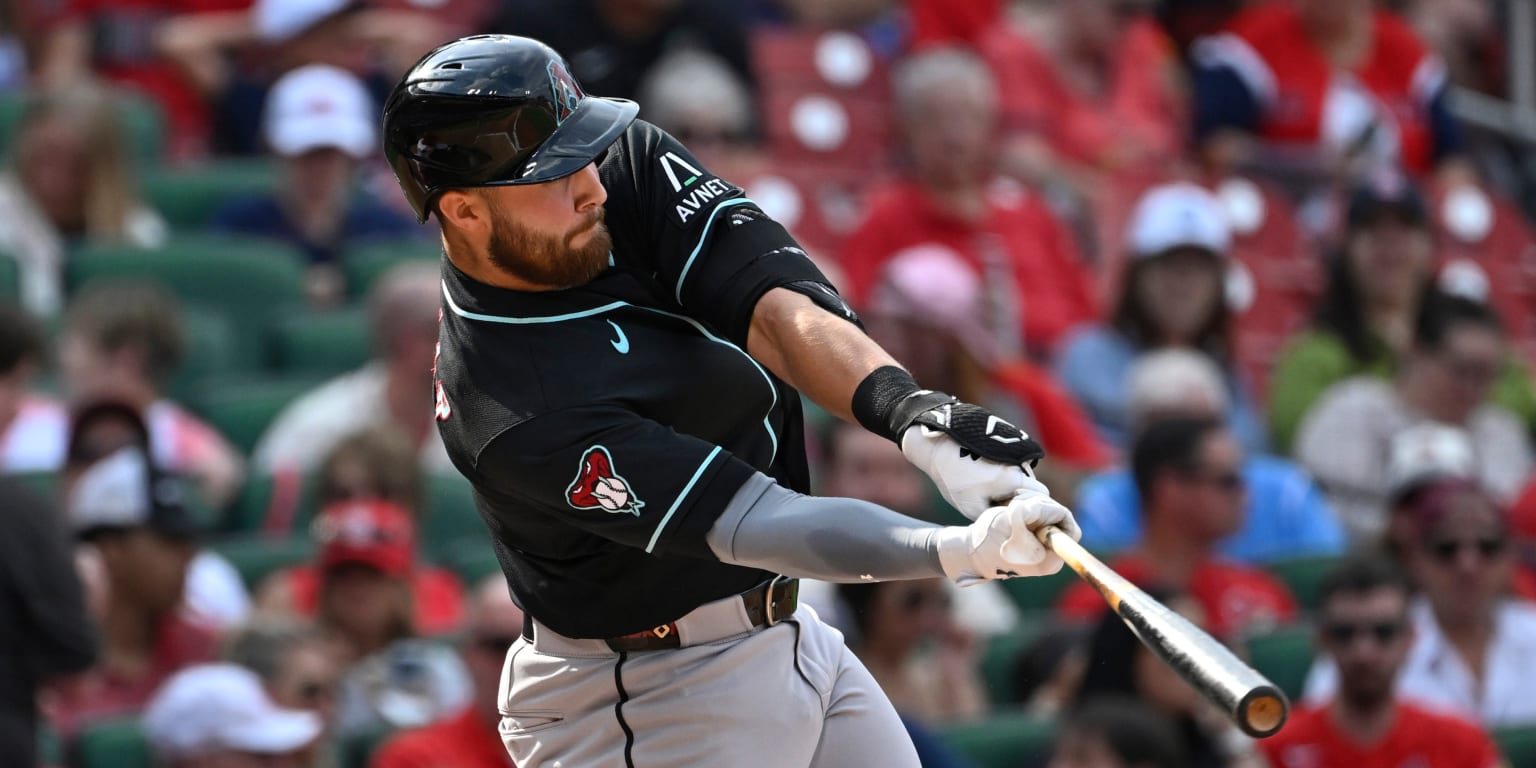
Tyler Locklear was never meant to start Thursday's makeup game in St. Louis. When Ketel Marte was scratched with back stiffness hours before first pitch, Arizona plugged Locklear into the middle of the order against Cardinals pitching. The backup delivered a two-run homer into Busch's left-field corner in a 10-6 victory that tightened Arizona's grip on the National League Wild Card hunt.
The timing matters more than the individual performance. The Diamondbacks sit one game clear of Pittsburgh (53-50) for the third playoff spot and 1.5 ahead of St. Louis (52-50) with just over two months remaining. This was a makeup contest from June 25, and Arizona's ability to secure it without Marte—already thin on healthy bats—signals organizational depth the Pirates and Cards may lack. Locklear added a double and an RBI single to his four-hit night, accounting for three of Arizona's runs in a game that swung on a five-run eighth-inning rally. Brandon Pfaadt, Arizona's right-hander, recovered from a disastrous first inning (two runs before recording an out, bases loaded, 25 pitches) to spin six innings on just 77 total pitches, a resilience that matters as the stretch run tightens.
For prop bettors, Locklear's outburst presents a secondary data point worth noting—but not overshooting. His homer was his first since September 1, 2025, a nearly 10-month gap that suggests this is seasonal breakthrough rather than sustained form. Over a makeup game against a Cardinals team Arizona has dominated (5-2 season series), a single outlier performance in pinch-role duty doesn't establish a new baseline for playing-time assumptions or power output. If Marte's back issue persists and Locklear moves into regular at-bats over the next week, that calculus shifts; a consistent fifth-or-sixth starter role would merit tracking his home-run and RBI totals in later matchups. For now, this is cathartic noise in Arizona's favor, not a persistent market inefficiency.
What carries durable weight is Arizona's ability to win without a cornerstone bat healthy. The Diamondbacks' team total and moneyline pricing should tighten slightly against secondary opponents (non-contenders and teams below .500) precisely because this result demonstrates they can manufacture wins with depth moves. If Marte returns healthy, Arizona's ceiling widens; if his absence forces longer-term lineup reshuffling, the organization has proven it can tread water. In either case, Arizona's closing odds for the Wild Card should reflect this performance as a tick toward credibility—not panic-driven steepness.
The Cardinals, meanwhile, absorbed a loss that moves them into potential tiebreaker peril against a D-backs team they've already ceded head-to-head positioning to. St. Louis' ability to reclaim ground in the next 60 games rests on their own baseline starters and closer usage, not on Arizona's backup catcher. That's the real margin that matters for October positioning.