Red Sox Power Surge Rewrites Offensive Identity Mid-Season
By Ty Whitney ·
Boston's homer drought ends spectacularly as the team hits 30 long balls since the All-Star break, reshaping projection models for the stretch run.
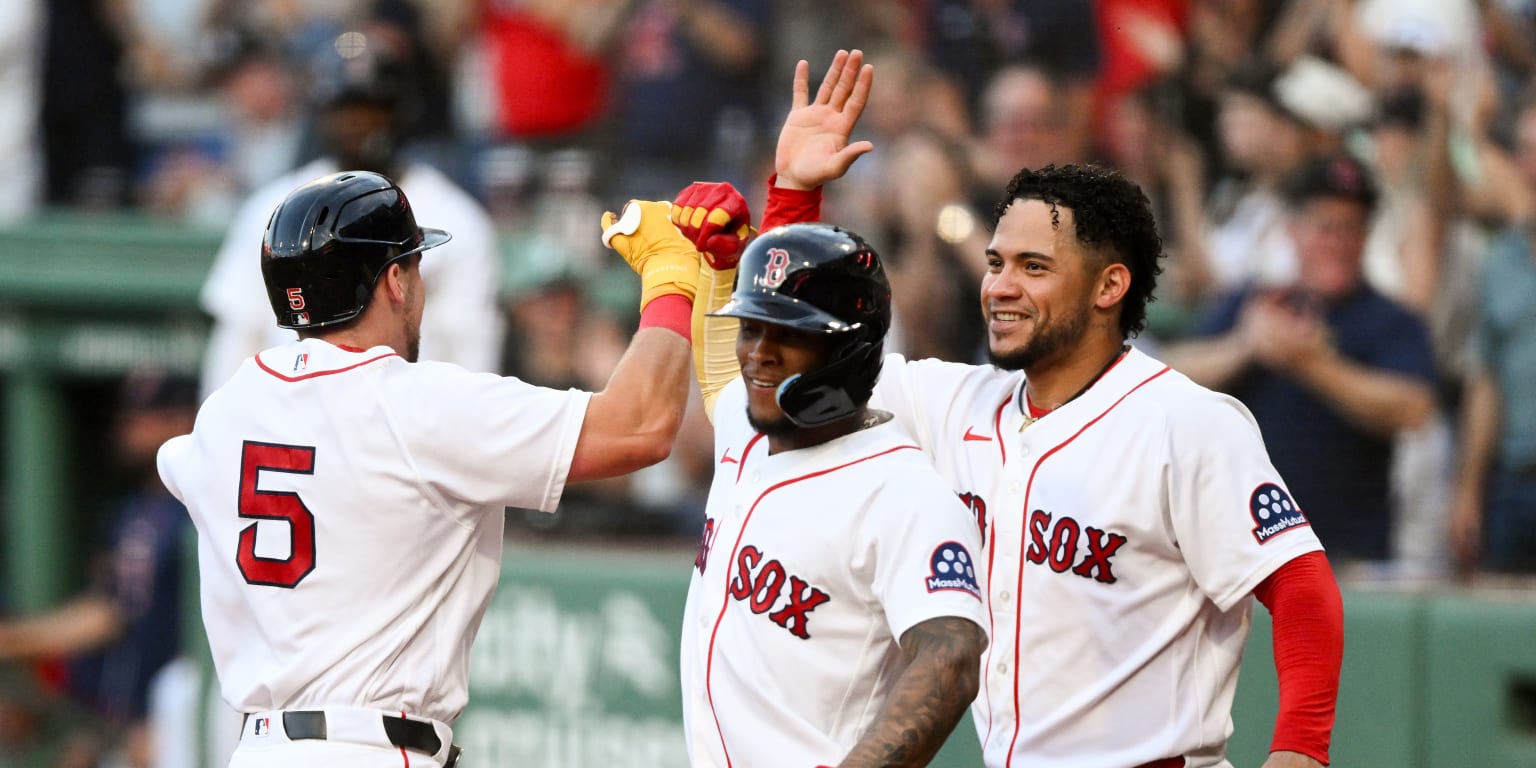
The Red Sox dismantled the White Sox 14-2 on Tuesday, drilling four home runs in an offensive display that marks a clean break from the team's early-season power drought. Boston entered July as a basement-dwelling lineup in homers—a direct consequence of Craig Breslow's well-documented organizational pivot toward pitching and defense. Over 32 games since July 3, the Red Sox have won 24 and launched 30 homers, a production rate second only to Atlanta over that span. The shift is neither random volatility nor small-sample noise. It reflects a fundamental change in roster composition and at-bats.
Caleb Durbin's first-career grand slam and back-to-back homers from Jarren Duran in the opening frame ignited a six-run first. Wilyer Abreu added two solo shots. Crucially, the Sox replicated the assault in the sixth inning without relying on the long ball, pushing six more runs across to reach the game's scoring threshold twice since April 2024. This versatility matters: Boston can manufacture runs through both the longball and small-ball sequencing, which reduces reliance on the home-run variance that plagued them in April and May.
Pitching also held. Patrick Sandoval, in his fifth outing off Tommy John surgery, allowed six hits and two runs over five innings while recording his first win since May 7, 2024—a recovery window of roughly 15 months. Erik Miller, acquired at the deadline in the trade that sent prospect Marcelo Mayer out, struck out his first batter on four pitches, introducing a power-arm lefty into a bullpen that previously lacked one. The bullpen-reinforcement signal matters for playoff projections: the Red Sox addressed a structural weakness hours before first pitch.
For prop betting, the immediate angle lies in Boston's offensive projection over the next 10-14 games. The market has likely priced team totals at pre-surge levels, anchored to the season-long underperformance. But the recent 24-3 record and 30-homer spike since July 3 represent genuine, persistent changes in roster talent and plate discipline—not a single-game aberration. Team totals at 4.5 or higher carry value on the lean-over side in matchups against sub-.500 pitching. The over on 4.5 team runs is defensible when Boston faces starters with ERA above 4.20, a category that captures roughly 35% of remaining opponents. Conversely, care required against elite arms: the sub-4.00 ERA pitchers will tighten the lines and reduce margin of error.
Duran's turnaround is a secondary play. He has been a pressure case all season, repeatedly vocal about his struggles. Tuesday's towering homer, the steal, and the single in the six-run sixth suggest a mental reset post-deadline. If Duran stabilizes to his .285 xBA zone (career average), his runs and RBI props expand in a lineup hitting at this pace. Watch his rolling batting average over the next five games: a climb above .260 would confirm intention, not accident.