Turner's Leadoff Return Won't Solve the Phillies' Real Problem
By Erik Schwartz ·
Moving a .216 hitter back to the top of the order protects Schwarber from walks, but it won't fix Turner's season-long mechanical collapse.
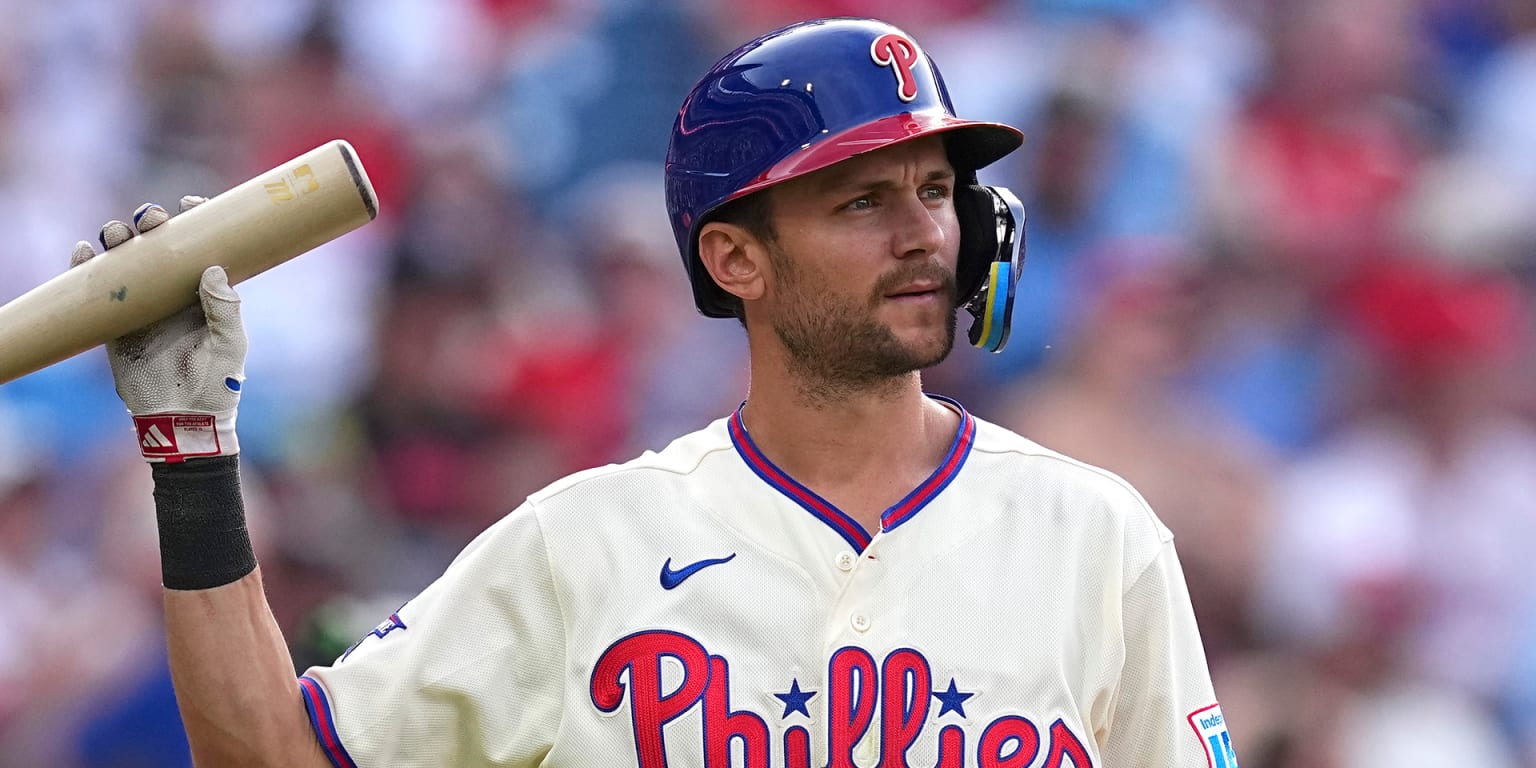
Trea Turner returned to the Phillies' leadoff spot on Wednesday against Miami after missing one game with a right-wrist bruise suffered Monday night. The move was less about Turner's readiness and more about manager Don Mattingly's desire to shield Kyle Schwarber from intentional walks. Since Schwarber took over the leadoff role on May 27, opposing pitchers have walked him intentionally three straight times with runners in scoring position and first base open—each time Turner, hitting behind him, failed to capitalize with a strikeout or flyout. That's a tactical problem the Phillies can solve with lineup construction.
Turner's individual struggles are something else entirely. He's hitting .216 overall this season after winning the NL batting title last year at .304. His .594 OPS ranked 152nd among 157 qualified hitters entering Wednesday. In his 18 games batting second since May 27, he hit .203 with a .554 OPS—a marginal improvement from what he was already doing. Over his final four games before the injury, he went 1-for-16 with six strikeouts. The day off restored his wrist but not his approach.
The defensive trade-off is real: Turner can run and create havoc on the basepaths from leadoff; moving him there keeps Schwarber in the two-hole where he doesn't get walked. Schwarber is having an MVP-caliber season (25 home runs, .942 OPS, both team-leading), and the Phillies are right to optimize around him. But Turner isn't a placeholder. He's a $210 million free-agent signing who looks mechanically broken at the plate. Swapping his spot in the lineup doesn't fix that. The Phillies are now 40-33 and seven games above .500, but their postseason ceiling depends on whether Turner rediscovers the plate discipline and contact quality that made him a league-average hitter two years ago.
From a betting perspective, this move is a negative-volatility adjustment, not a positive catalyst. The Phillies are essentially saying: "We'll live with Turner's poor output if it means Schwarber sees better pitches." That's a roster triage, not a recovery signal. Turner's strikeout rate has spiked, and his barrel rate has cratered. A leadoff reboot doesn't reverse three months of mechanical decline. His prop lines—strikeouts, especially—have already priced in elevated whiff risk. Wednesday's return is orthogonal to his underlying performance.
The Marlins are a bottom-five bullpen, but Turner's batting-practice session in a single game won't signal sustained recovery. Watch for multi-game stretches (a week, ideally) where his chase rate and contact quality stabilize. Until then, any short-term pop in his prop lines after today should be faded hard. The lineup shuffle is a chess move, not a redemption arc.