Strider's Pitch Mix Evolution Opens a K-Rate Edge for Atlanta's Comeback Ace
By PropBetEdge Editorial Team ·
Spencer Strider's return from oblique strain shows velocity loss but compensatory secondary-pitch development—a mechanical shift that props markets haven't yet repriced into strikeout props.
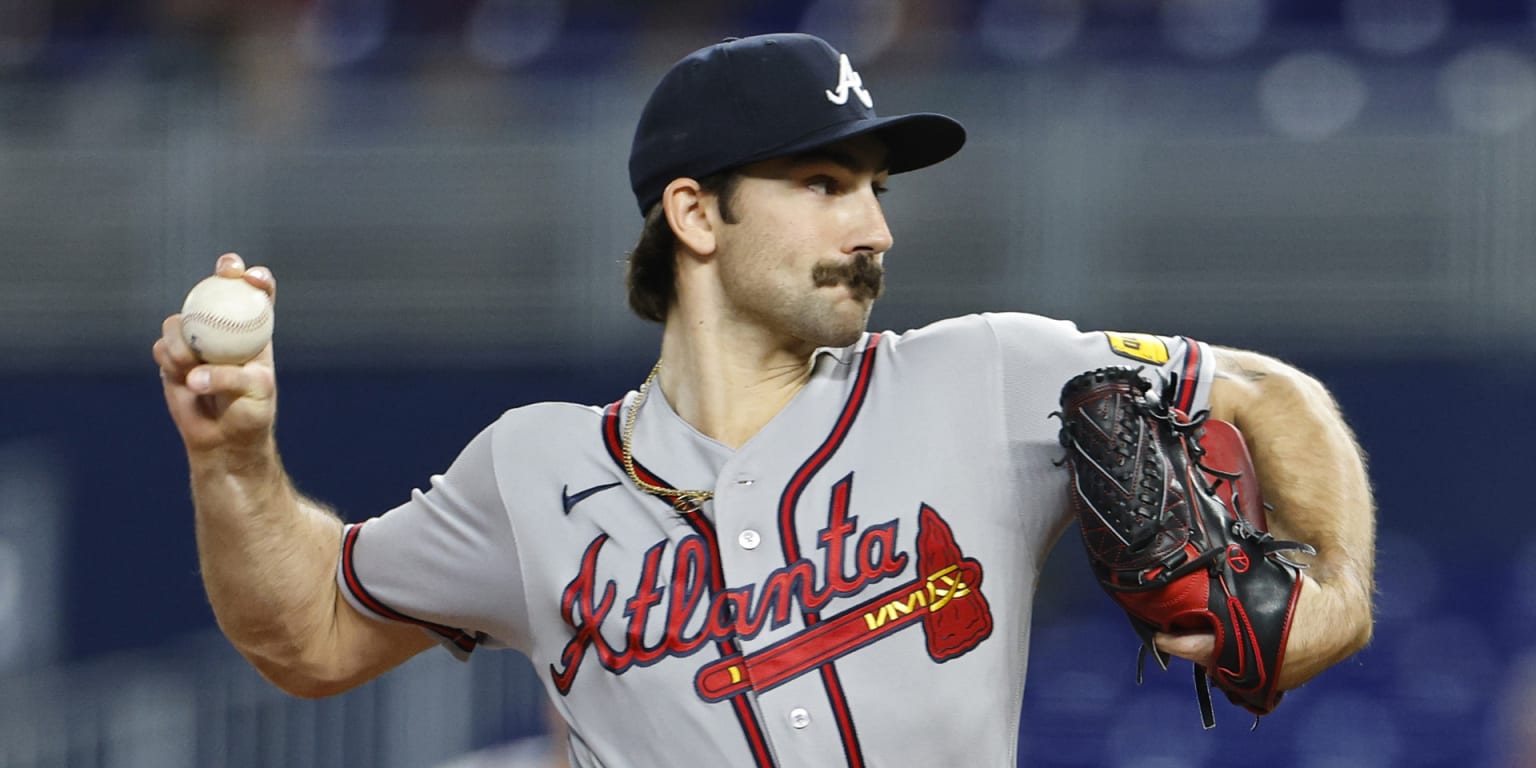
Spencer Strider's 2026 debut in early May was messy: three runs, five walks, the stat line of a pitcher finding his footing. But the 2023 All-Star made it clear after the no-decision in Colorado that he wasn't looking for credit just for showing up. Three starts later, he's making that point stick. Over his last 17⅔ innings, Strider has posted a 2.04 ERA with 21 strikeouts against seven walks and a 0.85 WHIP—the kind of cumulative control and dominance that suggests the initial rust was exactly that, not a sign of permanent decline.
The velocity narrative dominates Strider coverage, and it's true: his four-seam fastball is now sitting at 95.3 mph, a full two ticks below his 2023 standard. That's material. But the story underneath is a pitcher deliberately shrinking his fastball diet from 58.9% usage down to 48.3%—the lowest mark of his career—and systematically building out his secondary arsenal. His changeup has moved from afterthought to strikeout tool: he's thrown it 31 times without allowing a hit, with a 69.2% whiff rate that would rank at the top of his career across any pitch. His curveball usage is climbing. His slider, the signature weapon that powered 483 strikeouts across 2022-23, remains lethal: opposing hitters are batting .067 against it with a 48.8% whiff rate, despite the pitch carrying 3.6 inches less induced vertical break than league average. The mechanics matter because they explain the strikeout output: Strider isn't compensating with finesse alone. He's multiplying the ways hitters can miss.
What the prop markets likely haven't fully absorbed is the leverage of those secondary pitches against the specific opponent mix Strider now faces. His changeup is being deployed almost exclusively against left-handed hitters, a subset-specific tool that drives strikeout rate within specific at-bat contexts rather than across a full game line. When you layer that onto a slider that still misses bats at elite rates—despite velocity and break losses—you get a pitcher whose strikeout dependency has shifted from fastball dominance to pitch-sequencing sophistication. Single-game K props priced before the market recognizes this reframing tend to underweight the secondary-pitch strikeout volume.
The timing matters as well: Strider's May stretch included starts against Colorado and other lineups that didn't necessarily adjust defensively or strategically to his new arsenal. As June progresses and opponents install more deliberate sequencing defenses against the secondary pitches, the whiff rates on the changeup and curveball may contract. That's actually the window where K props offer value—the next 2-3 weeks, before hitters and books fully recalibrate. Strider's strikeout rate in his last four starts sits at 10.5 per nine innings, a number that feels conservative given the hidden leverage in his changeup and slider profiles. His next scheduled start carries inherent edge against any market line that prices him as a guy trying to will his way back with velocity, rather than as an architect of a pitch-mix reset that's already working.