Trevor Story's Sports Hernia Surgery Darkens Boston's Infield Outlook
By PropBetEdge Editorial Team ·
The Red Sox shortstop enters a 6-10 week recovery window with a .206 batting average, signaling both a medical reality and a lineup void that will pressure Boston's remaining depth.
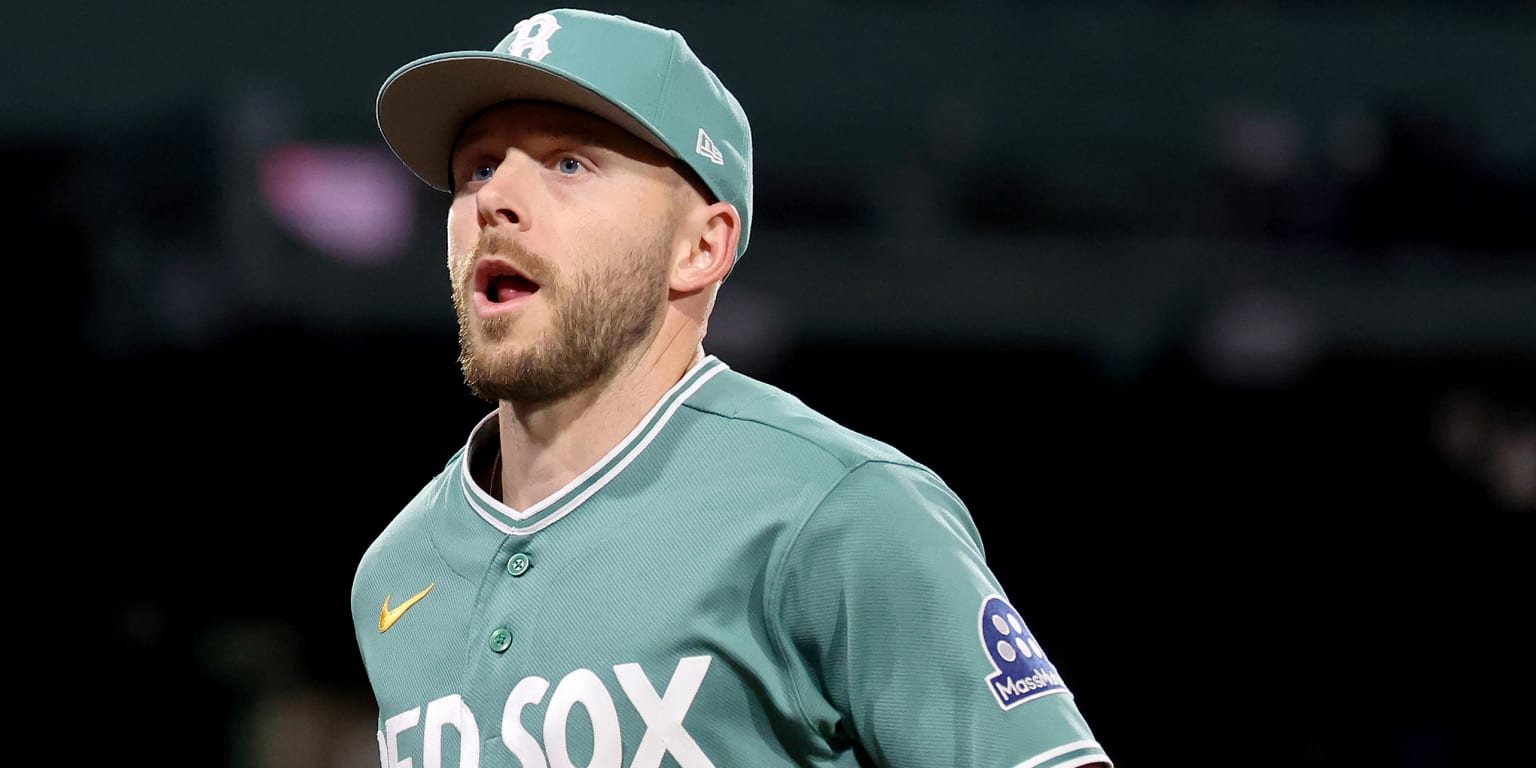
Trevor Story underwent surgery Friday to repair a sports hernia that had been masquerading as a routine groin strain since spring training. The Red Sox announced the procedure was successful, performed by Dr. William Meyers at The Vincera Institute in Philadelphia, but offered no definitive return timeline. Story himself provided the operative window on Saturday: six to 10 weeks, give or take—a range that potentially sidelines the 33-year-old shortstop through late August or into September depending on recovery speed and ramping.
The injury timing exposes what the numbers have already documented: Story has been a dead spot in Boston's lineup since arriving in 2022. Through 41 games and 165 at-bats this season, he's posting a .206/.244/.303 line with three homers, 19 RBIs, and 57 strikeouts across 165 plate appearances. That's a 47 wRC+ according to baseline MLB averages—replacement-level performance. Story's own admission that the hernia "plays a part, for sure" in his struggles is tactful management of expectations, but the math suggests the injury was a contributor rather than the root cause. Last season, healthy and in Colorado, Story performed as advertised. This stint in Boston has been marked by repeated injury delays since 2022, a pattern that now extends the timeline of his absence and deepens questions about durability at the position.
For Boston's offensive projections, Story's removal from the lineup is not the crater it would be if he were hitting .280 with 15 home runs. The Red Sox will shuffle a replacement—likely Jarren Duran or another internal option—into the shortstop spot. Duran, 26, has shown upside in limited time and operates as a younger, less injury-prone alternative. The lineup's ceiling doesn't drop materially because Story has been subtracting value, not anchoring it. What changes is the bullpen usage and game script. Boston will need to compensate for lost production at the bottom of the order, which historically pushes the team toward either earlier deficits or more reliance on their core hitters (Rafael Devers, Tyler O'Neill, Jarren Duran when healthy) to carry offensive load.
From a prop perspective, Story's absence should tighten Boston's team run totals over the next 6-10 weeks. With a .206 hitter removed from the everyday lineup and no proven offensive replacement waiting in the wings, the Red Sox offensive floor dips measurably. If Boston was carrying a team total of 4.5 runs per game with Story in the lineup posting below-replacement numbers, removing him entirely should compress that total to 4.0-4.3 depending on the replacement's caliber and the strength of the opposing pitching. This is not a volatility bet on one bad night—it's a structural shift in lineup composition over an extended absence. Unders on Red Sox team totals become more durable for the next two months, particularly against league-average or above-average pitching staffs where Boston's now-thinner lineup has fewer avenues to manufacture runs.
The recovery window also matters for prop design. Story's earliest return would be mid-August; his latest, early September. If he does return before Labor Day, he'll face a condensed ramp-up that could limit his immediate offensive production even once he's medically cleared. Soft contact rates and strikeout risk are historically elevated in the four-to-six weeks following hernia surgery as players rebuild timing and lower-body stability. Any Boston prop tied to Story's offensive output in August should be faded until he demonstrates live, in-game production after clearing this threshold.