Stewart's 3-run night ends Cincinnati's slump against wounded Senga
By Ty Whitney ·
A 22-year-old rookie's surge over one night doesn't erase weeks of struggle, but it signals the Reds' capacity to exploit overextended opposing pitching.
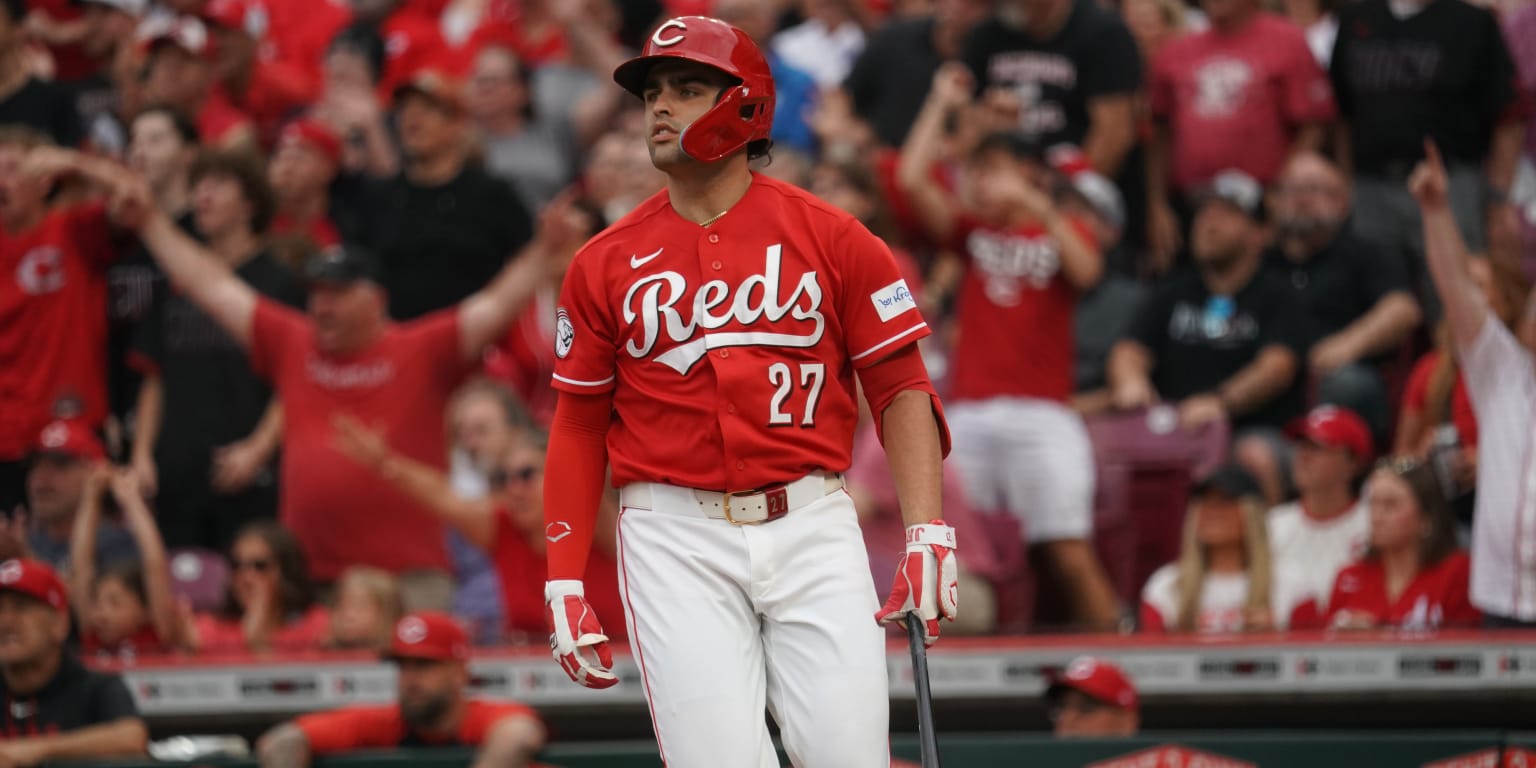
Sal Stewart delivered the most explosive night of his young career Tuesday, launching a three-run homer in the first inning and adding an RBI single in the fifth to power Cincinnati past New York 5-3 at Great American Ball Park. The 22-year-old first baseman's outburst, which included his team-leading 14th home run, punctuated a wider pattern: the Reds' ability to pounce on opponents deployed out of position or returning from injury.
The timing matters. Stewart entered the evening in pronounced decline—.205 batting average, .621 OPS, one home run over his prior 21 games. That's a legitimate slump, the kind that tests a young player's confidence against the length of a major league season. But the Mets' decision to activate Kodai Senga from the injured list to make a start created the exact conditions where a hitter bottoming out can get a reprieve. Senga walked his first two batters without recording an out. From that platform, Stewart didn't need a correction or a resurgence narrative—he needed a mistake pitch, and he got one: a 2-1 sinker that stayed elevated. The three-run blast followed.
Cincinnati (35-37) snapped a five-series losing streak by taking the first two games of this three-game set. On Monday, the Reds attacked Tobias Myers, a Triple-A call-up making his major league start. Tuesday's victory followed the same script—early walks, elevated pitch counts, and the Reds converting speed and aggression into runs before the opposing starter could settle. Brady Singer, Cincinnati's own starter, worked a clean five innings (one run, three hits, three walks, five strikeouts) in a game that was functionally over by the second inning.
For prop players, Stewart's performance resets the baseline for his next matchup, but with a caveat: a single explosive game doesn't overturn a three-week downtrend. His home run prop (14 homers in roughly 55 games played) anchors around 0.25 per game, or roughly one every four games. Tuesday was variance correction wrapped in volume—the Mets' broken pitching situation manufactured opportunity. Against a healthy starter or a defense that doesn't spot him baserunners before he bats, Stewart's next line should reflect his recent true talent, which sits well below preseason expectations. Lean back into the under on his home run prop through at least the next three games unless he faces another bullpen depletion scenario.
The Reds' broader efficiency (outscoring opponents without stellar pitching) depends heavily on catching opponents mid-dysfunction. With Senga back and the Mets' rotation stabilizing, Cincinnati's window for feast-game scenarios narrows. Stewart's hot bat matters most in a very specific context: vulnerable opposing pitching. Outside that frame, reversion is the play.