Springer Hits 300th Homer as Blue Jays Offense Breaks Free Against Boston
By Ty Whitney ·
Toronto's 6-1 win signals the kind of complementary offensive depth that makes contenders dangerous—and suggests team total overs have room to run.
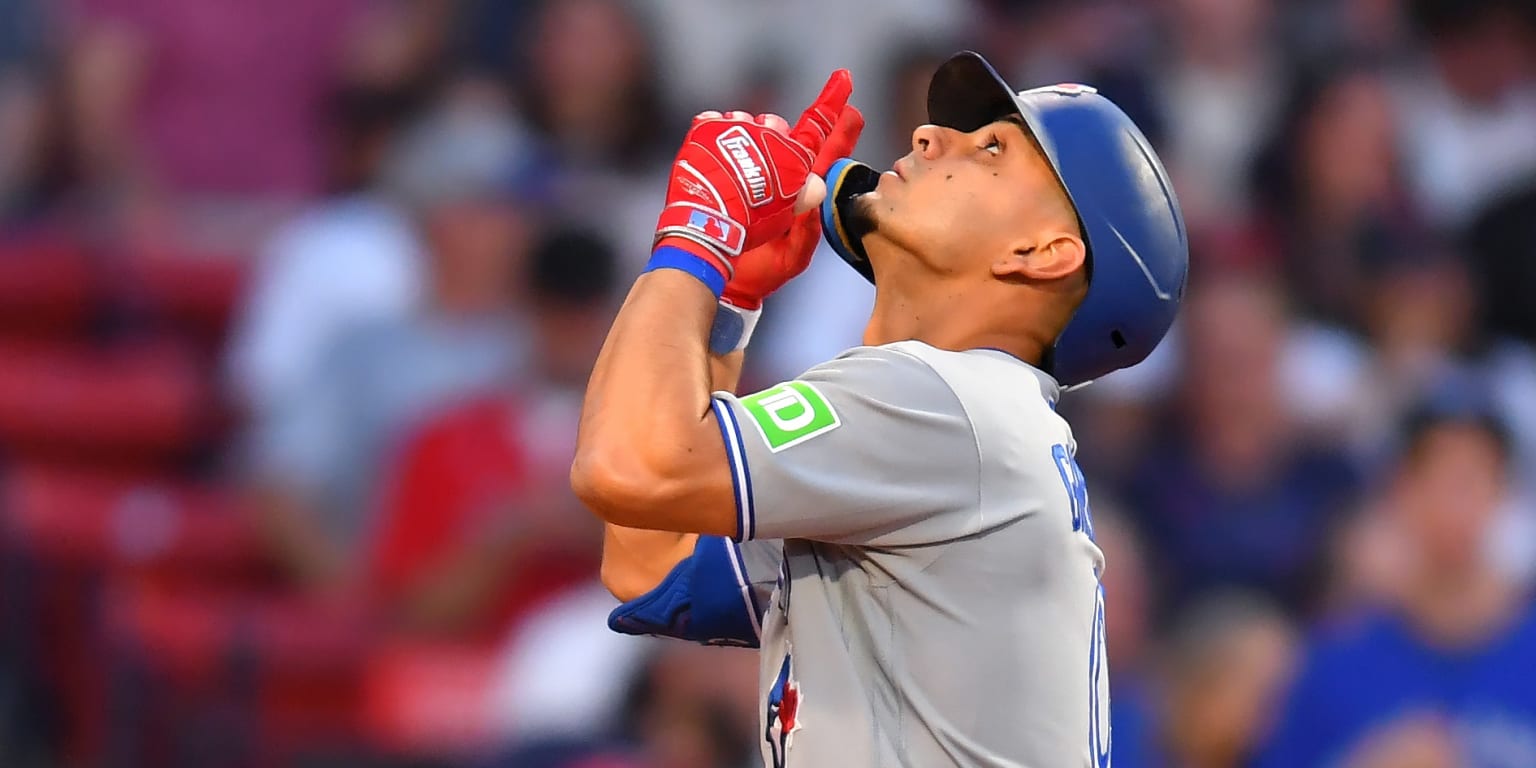
The Blue Jays dismantled Boston 6-1 on Tuesday at Fenway, a performance that looked less like a one-off barrage and more like the organizational hitting identity finally reasserting itself. Dylan Cease held the Red Sox to one run across seven innings, but the real story was Toronto's offensive precision: back-to-back home runs in the fifth (Davis Schneider, Andrés Giménez), a grueling 14-pitch at-bat by Myles Straw that set the table for George Springer's sacrifice fly, and capping it all off, Springer's 438-foot no-doubter over the Green Monster for his 300th career home run. This wasn't chaos. It was architecture.
The mechanics of the win reveal what separates the Blue Jays' ceiling from their current standing. Straw's at-bat—fouling off eight consecutive pitches to run up Payton Tolle's count—speaks to a club-wide philosophy of patience and pitcher depletion. Springer reaching base twice earlier in the game before launching his milestone shot, combined with six walks over his past four games, suggests he's recalibrated his approach after a sluggish start. Giménez's 413-foot drive off a lefty is the outlier worth flagging: just 12 of his 62 career homers have come against lefties entering the day, so Tuesday's tally may not repeat at the same rate. But Schneider's fastball-hunting against Tolle's southpaw delivery aligns with what the Blue Jays expect from him post-recall—a specialist role against same-handed pitching that the organization clearly values enough to carry on the roster.
The broader context matters for team total pricing. Toronto's path back to contention runs through games they should dominate, and Boston's patchwork rotation gifted the Blue Jays exactly that. Red Sox starter Payton Tolle folded under sustained offensive pressure—the kind of execution (long at-bats, pitcher pitch counts, capitalizing on mistakes) that repeats across a 162-game season more reliably than single-game home run outbursts. Cease's performance, meanwhile, establishes a clear pitching floor: when Toronto's rotation delivers league-average-or-better starts, the run environment tilts sharply in the home team's direction. Vladimir Guerrero Jr. remains the X factor the front office is still waiting on, but the absence of a single superstar performer didn't prevent a decisive win. That distribution of offensive contribution is exactly what sustainable over-play feeds on.
For prop bettors tracking team totals, Tuesday's game offers both a signal and a warning. The signal: Blue Jays team totals in the 4.5–5.5 range against below-average AL East pitching carry genuine value when Toronto is away from home (road environments typically tighten run-scoring, but the margin here is wider than the books have priced). The warning: Springer's 300th-homer narrative might trigger a one-game spike in public action on Blue Jays moneyline and team total props in the immediate 48-hour window, but that's a recency artifact, not a fundamental repricing. The real edge is in recognizing that this Blue Jays offense—Straw grinding, Schneider hunting fastballs, Springer regaining timing, Cease eating innings—reflects repeatable process, not luck. When process shows up against permissive pitching, the unders start to look vulnerable.