Astros Trade for Varsho as Outfield Weakness Becomes Urgent
By PropBetEdge Editorial Team ·
Houston's offensive collapse in the outfield finally forced a deadline move—but the acquisition comes with timing and injury risk that bettors need to price carefully.
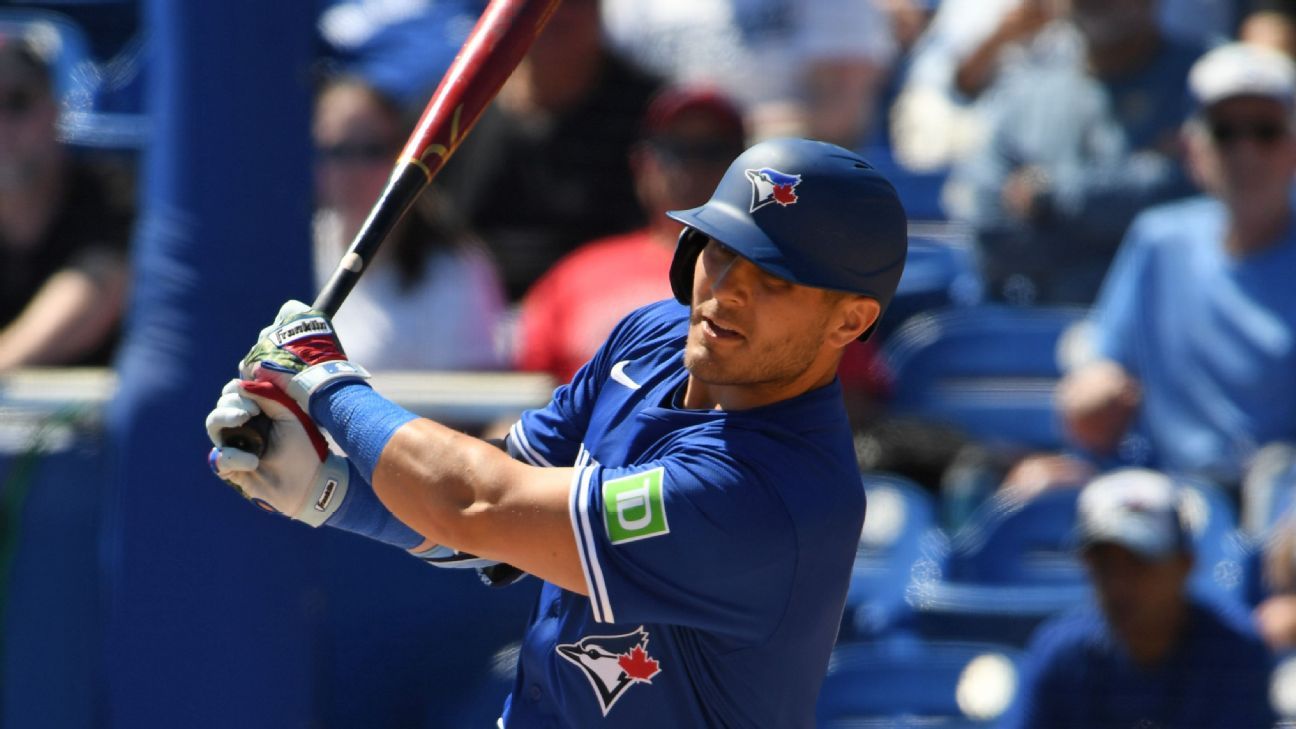
The Houston Astros acquired center fielder Daulton Varsho from the Toronto Blue Jays on Monday, sending back right-hander Spencer Arrighetti in a swap that signals the organization's recognition of a gaping offensive liability. The Astros rank 29th in hits (259), batting average (.220), and on-base percentage (.298) among outfielders—a statistical crater at a position that should anchor a first-place offense. Varsho, a 30-year-old veteran set to hit free agency in October, arrives with elite defense (83 defensive runs saved since 2022, tops among MLB outfielders) and modest offensive production this season (.243, 7 HR, 26 RBI, 9 SB).
The urgency here is structural. Houston has been on a tear—11 wins in their last 12 games—but that surge masks a fundamental problem: outfield production has been a drag all season. Varsho doesn't transform the lineup; his .243 average and 26 RBIs this year suggest a complementary bat, not a cleanup anchor. But his 2024 Gold Glove and career defensive resume (.229 BA, 106 HR, 321 RBI over seven seasons) indicate a player who stabilizes the position and reduces the chaos that has plagued Houston's outfield game-to-game. The Astros' tied-for-25th ranking in fielding errors among outfielders (eight total) compared to Varsho's eight errors across 703 career games underscores why a team with World Series aspirations was willing to move a young arm.
Arrighetti, the player heading to Toronto, carries immediate injury context that colors the deal. The 26-year-old right-hander (7-5, 4.60 ERA, 87 K this season) is currently on the injured list with nerve irritation in his right foot—a vague diagnosis that won't resolve by week's end. For Toronto, Arrighetti represents a lottery ticket on mid-rotation depth; for Houston, it's a calculated gamble that shedding his salary and injury question mark while bolstering outfield defense was worth the cost. The Blue Jays get a younger arm and relief from payroll; the Astros get stability at a position that's hemorrhaged value all season.
For prop bettors, the Varsho acquisition tightens Houston's outfield volatility but doesn't erase it overnight. His .243 average this year sits well below his career .229 mark, which already ranks below league average—not the spark that resets batting lines for the entire offense. What changes is defensive consistency: Houston's outfield strikeout rate shouldn't improve, but the number of balls-in-play getting through via error should decline, which indirectly tightens team totals over by removing variance, not by adding explosive upside. The Astros' next-10-games team total will likely move up modestly (perhaps +0.3 to +0.5 runs depending on the book) once Varsho gets into the lineup and the market observes whether the defensive gains materialize. Single-game props on Astros offensive output should see tighter standard deviation but no directional shift; the team's run-scoring trajectory was already baked into first-place seeding.
One final consideration: Varsho's arrival also signals Houston's confidence in its rotation and defense-first game plan down the stretch. A team doesn't trade young pitching for outfield depth unless it believes pitching is the asset it can afford to deplete. This reinforces the historical Astros bias toward small-sample volatility in team totals—tighter games, lower run differentials, higher leverage on defensive execution. Over their next stretch, Houston's unders at team totals of 4.5 or fewer runs carry slightly reduced variance risk compared to overs, because Varsho's glove removes one source of error-driven chaos.