Giants' Power Surge Masks Pitching Decay—And the Betting Market Isn't Pricing the Risk
By Ty Whitney ·
Back-to-back grand slams in consecutive games have rewired San Francisco's offense narrative, but their pitching collapse suggests the run-production spike is masking deeper problems.
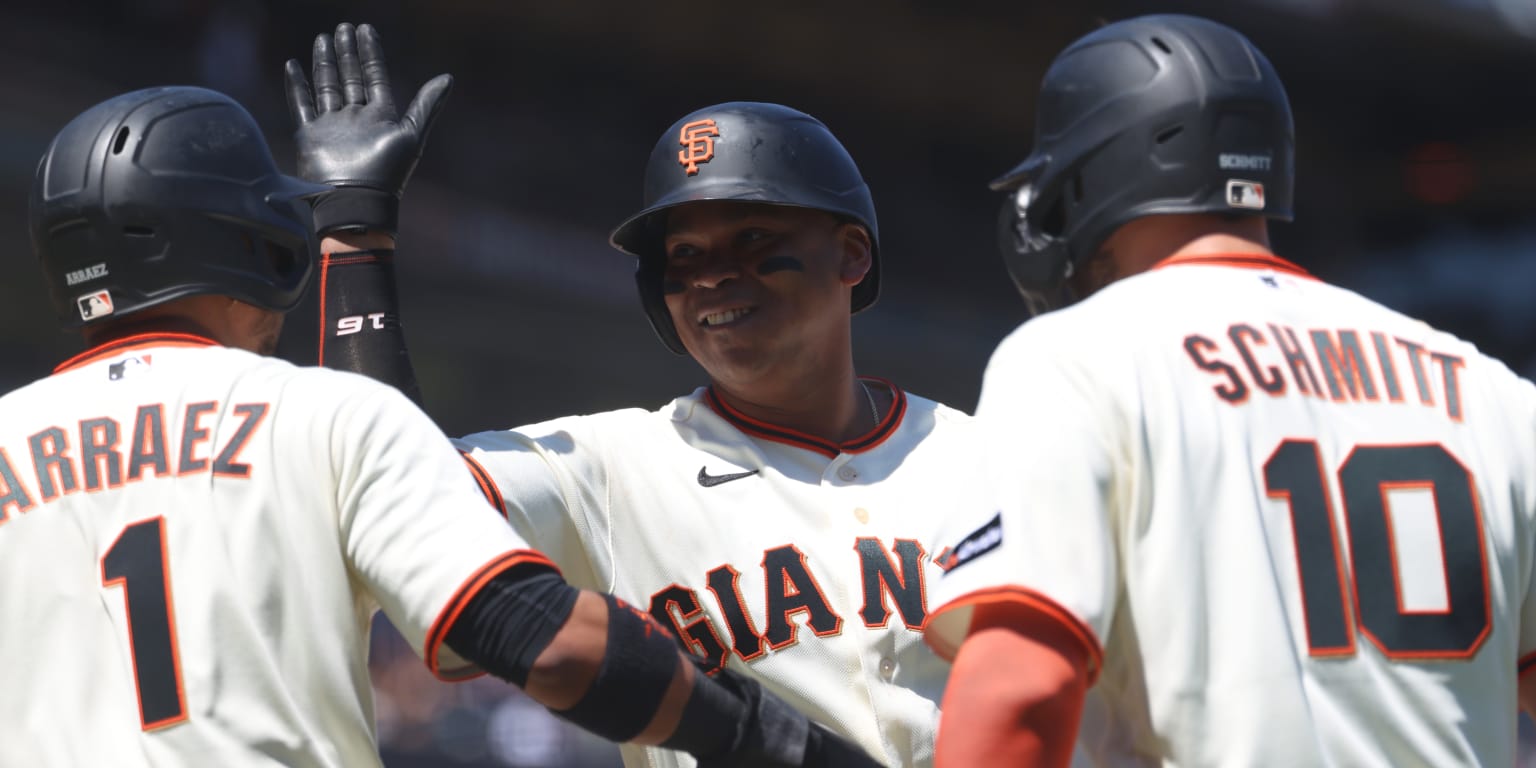
Rafael Devers launched his first Giants grand slam 391 feet into the opposite field on Sunday against Chicago, capping a second consecutive day of four-run homers that propelled San Francisco past the White Sox 8-5. The back-to-back dingers—Devers on May 26, Harrison Bader the night before—marked the sixth occurrence in franchise history. Three grand slams in eight days is the first such cluster since 1924. By the raw optics, this is a team waking up offensively.
But the context is messier. San Francisco entered the week 22-31, having struggled to hit for power early in the season. Three grand slams in May equals the second-most in any calendar month in club history—trailing only April 1970's four. That's not a coincidence or a lucky streak. It's the visible sign of an offense that was dormant and is now making contact. Vitello's framing was explicit: the quality of at-bats has improved. Schmitt (11 home runs, his team's leader) and Devers are driving the ball more consistently. Over their last 19 games since May 4, the Giants have homered in 17. That's a behavioral shift, not noise.
Here's where the books haven't caught up. Robbie Ray, the Giants' left-hander, allowed four runs over four-plus innings while issuing a career-high seven walks on Sunday. That's not a one-off. Ray's walk rate is a symptom of the real problem: San Francisco's pitching is fragmenting while the offense gains momentum. When a team's ERA expands because of command issues and the batting order suddenly discovers how to hit fastballs, the market's first instinct is to chase the offensive line—team totals, home-run parlays, slug lines for the hot bats. But the pitching vulnerability hasn't priced itself into the outs equation. The Giants are allowing runs at inflated rates. Their relief corps has been leaky. The White Sox, a bottom-tier offense, still generated an 8-5 game because San Francisco couldn't locate pitches. This is the seam in the narrative: the offense is real and durable (better at-bats, more consistent contact), but the pitching trajectory is deteriorating into the stretch. Teams that score eight and still sweat the ninth inning don't sustain. Over the next two weeks, as San Francisco's home schedule continues and media narratives converge on "the Giants are back," the unders at 8.0–8.5 team total will compress. The market will chase Devers and Schmitt's power spikes. But games won't widen because the runs allowed will stay stubbornly in the 5.5–6.5 range. That's where the edge sits: fade the inflated team-total overs and respect the pitching deterioration that's being masked by grand-slam theater.