Snell's Groin Scare Clears, but Dodgers Face Rotation Depth Reckoning
By Erik Schwartz ·
Blake Snell's early exit resolved as a precaution rather than a structural break, but the injury exposes how thin Los Angeles' starting pitching actually is heading into October.
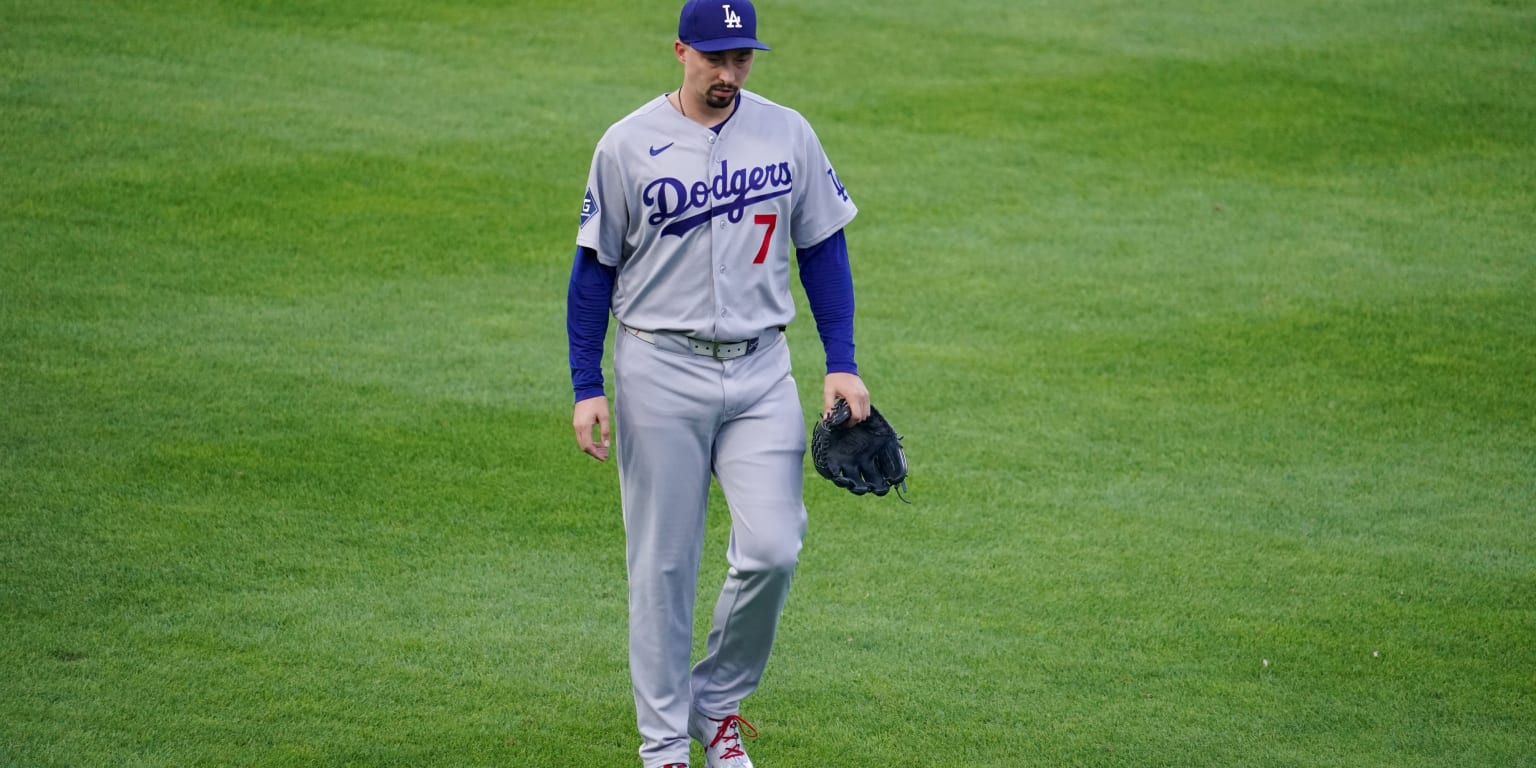
Blake Snell exited Wednesday's start after one inning with left groin tightness, but initial fears of a long-term setback have dissolved. Two days later, Snell threw from 90 feet at Dodger Stadium ahead of Friday's series opener against San Francisco and reported feeling good. The Dodgers avoided imaging entirely, a telling sign that the issue was caught as inflammation rather than a tear. Manager Dave Roberts confirmed Snell will make one final regular-season start before the postseason, likely during Los Angeles' three-game series against San Diego beginning Tuesday.
The reassurance itself matters less than what it conceals: Snell is a thin thread in an already threadbare rotation. He missed 3+ months to start the season with shoulder fatigue and loose bodies in his left elbow (requiring the NanoNeedle Scope procedure in late spring). He didn't debut until May 9, didn't return from the second injury until August 11. Yet since mid-August, over seven starts in 35⅔ innings, he's posted a 1.01 ERA with 47 strikeouts. That's not rust—that's dominant form. But it's seven starts of runway before October. Tyler Glasnow, his co-ace, has his own injury history this season. Roki Sasaki (out since August 27 with a finger blister) is returning soon for one final tune-up. Beyond that trio, the Dodgers' depth chart drops off sharply. Every inning Snell misses to injury in September is an inning the postseason rotation can't borrow back.
Roberts was asked whether the Dodgers might simply rest Snell for the next 17 days and save him fresh for playoff games. He rejected the notion—not because Snell can't handle a layoff (his career history suggests otherwise), but because baseball doesn't work that way. A pitcher doesn't get to freeze himself on ice and thaw out playoff-ready. Competitive innings, even low-leverage ones, matter for timing and feel. A shutdown-and-wait strategy also truncates the rotation's ability to work out mechanical kinks or test bodies under real stress. The math is brutal: Snell needs a start; the Dodgers' margin for error is gone.
For bettors, this shifts the calculus on Los Angeles' pitching props and playoff positioning. In the short term (next 10 days), expect the Dodgers to lean hard on the three healthy rotation arms—Glasnow on Friday, and Yamamoto and Skubal in rotation—meaning their workloads spike and injury risk concentrates. This tightens overs/unders on team totals when the Dodgers face stronger arms; their lineup will face quality starting pitching without the luxury of rest days in the rotation. Longer term, if Snell's groin stays healthy through Tuesday's start, he becomes a critical data point for playoff overround models—a two-time Cy Young with a 1.01 ERA since August, but off the mat multiple times. Markets may still treat him as a question mark due to his availability history; bettors who view him as cleared for October get to exploit that gap. The angle isn't sexy, but it's durable: Snell's health status is pricing in higher risk than the recent evidence supports.