Will Smith's Neck Injury Extends Deep Into All-Star Break—Dodgers' Catching Market Shifts
By Ty Whitney ·
Los Angeles confirms its star catcher won't return until after the mid-season break, marking a four-week absence from a routine injury that defied typical recovery timelines.
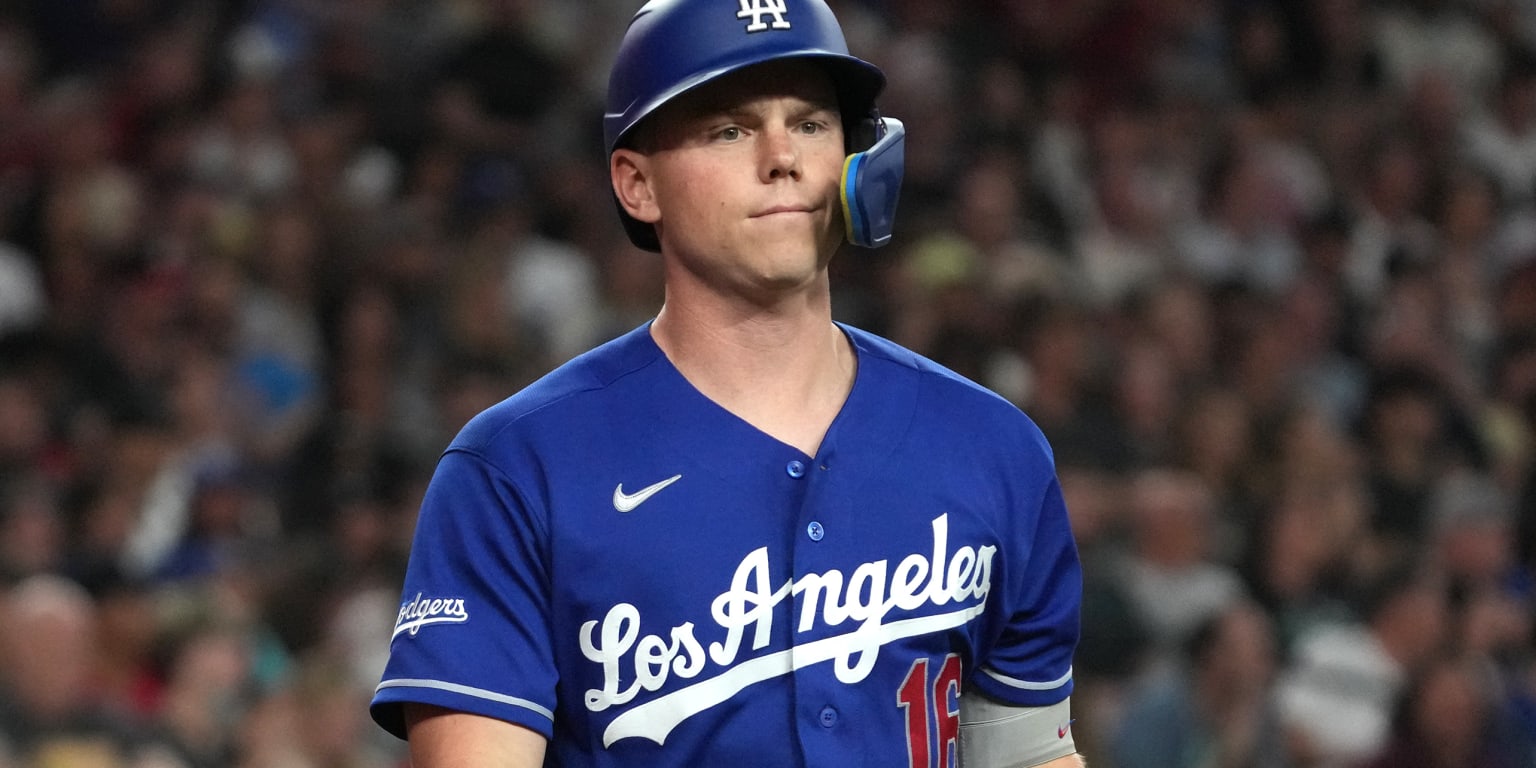
Will Smith will not play another game for the Dodgers until after the All-Star break, manager Dave Roberts said Wednesday. The catcher has been sidelined since June 11 with neck inflammation stemming from stiffness that first surfaced on June 6—nearly a month of lost time for a player who typically underpins the club's offensive output. Smith received an injection to address the discomfort during LA's previous homestand, but the procedure failed to unlock the progress needed to return to full baseball activity.
What makes this timeline remarkable is its deviation from standard recovery expectations. Roberts acknowledged the delay himself: "It's certainly longer, I know, than all of us expected." When Smith first hit the IL, the Dodgers operated under the assumption of a minimum-length stint. Instead, he remains hampered by lateral mobility restrictions and persistent soreness that prevent the kind of baseball-specific conditioning—throwing, swinging against live velocity, the metabolic stress of a game—that separates cleared-to-play from ready-to-contribute. The organization hasn't suggested structural damage; they're banking that the conservative approach will avoid setback and regression once he does ramp up.
That cautious framing carries weight. With 11 games left before the break, the Dodgers are functionally operating with their backup catcher for the remainder of the first half. Will Smith drives run production in high-leverage situations—his 2025 season showed a .521 slugging percentage and the ability to carry a game on his shoulders. His absence narrows Los Angeles' offensive identity and forces the team to lean harder on perimeter hitters and strikeout exposure in ways that may not suit their constructed lineup.
For prop bettors, the implication is straightforward: Dodgers team totals are trading with degraded offensive firepower, and that discount may not fully reflect the depth of the hole. Smith's backup carries inferior on-base production and doesn't command the same pitcher-management overhead. Over the next 11 games into the break, LA's team totals (typically 4.3–4.7 runs for home games) should trade tighter and with less explosive upside in the fourth and fifth innings when Smith would normally drive counts. Fade team total overs for Los Angeles through July 12; the market has priced the absence, but it hasn't fully internalized how much harder it becomes to manufacture mid-game insurance runs without his bat.
Once Smith returns post-break, the bounce-back will be sharp. A healthy catcher with his offensive profile returning from an extended rest window typically produces offensive spikes in the first 2–3 games as he adjusts to game tempo. That's a calendar-flip angle worth marking for early August.