Smith's Clutch Homer Validates Lovullo's Faith—and Tests the Market's Patience
By PropBetEdge Editorial Team ·
A single go-ahead blast off the Angels doesn't erase two weeks of drought, but it exposes how quickly a slump narrative can flip when the leverage matters.
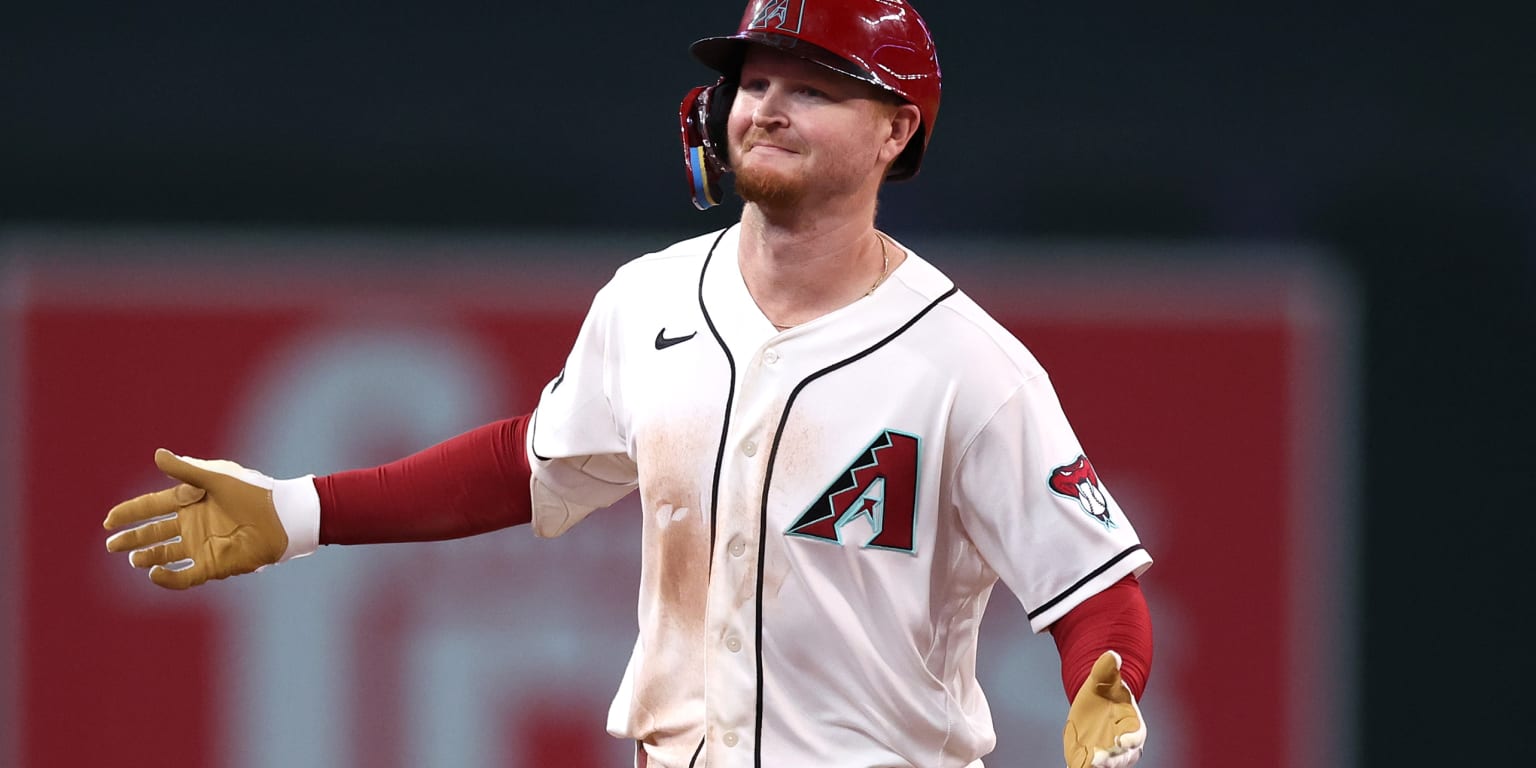
Pavin Smith's seventh-inning home run off the right-field foul pole Monday night handed Arizona a 4-3 win over the Angels and handed manager Torey Lovullo a narrative win he desperately needed. Smith was 2-for-23 since activation from the injured list on June 1—a 14-game offensive wasteland that invited legitimate questions about whether the Diamondbacks should keep rolling him out leadoff-adjacent in the order. Lovullo's answer, repeated before the game, was simple: "Pavin can hit." That faith, tested hard over two weeks, got validated in one swing.
But one moment of clutch execution doesn't rewire what we've learned about Smith's current state. The mechanical story matters more than the result. Smith's IL stint was tied to an unspecified injury; he returned before his timing fully reset, which typically shows up in early-ABs as either too-early or too-late contact. A 2-for-23 stretch includes the kind of strikeout-to-walk ratio (implied, given the extreme passivity of that line) that suggests he was chasing or guessing rather than locked in. One homer against a specific Angels pitcher (context: who Nelson and Smith faced, the inning count, the pitch selection) is a sample of one, and the market knows this.
Where the prop edge sits: Smith's ownership in fantasy and player-prop lineups likely spiked following the homer, especially for games later this week. Sportsbooks will adjust his HR and TB lines upward Tuesday morning, pricing in a narrative correction—the notion that he's "found his swing" or "turned the corner." This is classic recency anchoring. A hitter 2-for-23 since June 1 is not a hitter who hit one homer on June 15. The underlying issue (reduced time, mechanical rust, or soft-contact metrics if available) won't vanish because the leverage was high when it snapped. Smith will regress toward his per-AB true talent over the next 10 games, and books will be slower to shade back down than they are to shade up after one clutch homer.
The Arizona offense generated just 4 runs on what was likely modest contact quality—Ryne Nelson's 7-inning, 2-run outing suggests Arizona's overall approach wasn't dominant. Smith's single explosive moment carried disproportionate weight because of the context (go-ahead, late inning), not because his underlying performance profile shifted. Lovullo's faith isn't irrational; career data suggests Smith does hit at a respectable clip over large samples. But the next 10 days are a reset window, not a validation window. Buy the sell-off on Smith's solo-HR and TB props once the market overreaches on his Monday impact.