Dodgers' Catcher Void Deepens as Smith Heads to IL
By Ty Whitney ·
Will Smith's neck injury forces Los Angeles into a depleted catching rotation precisely when offensive depth matters most in June.
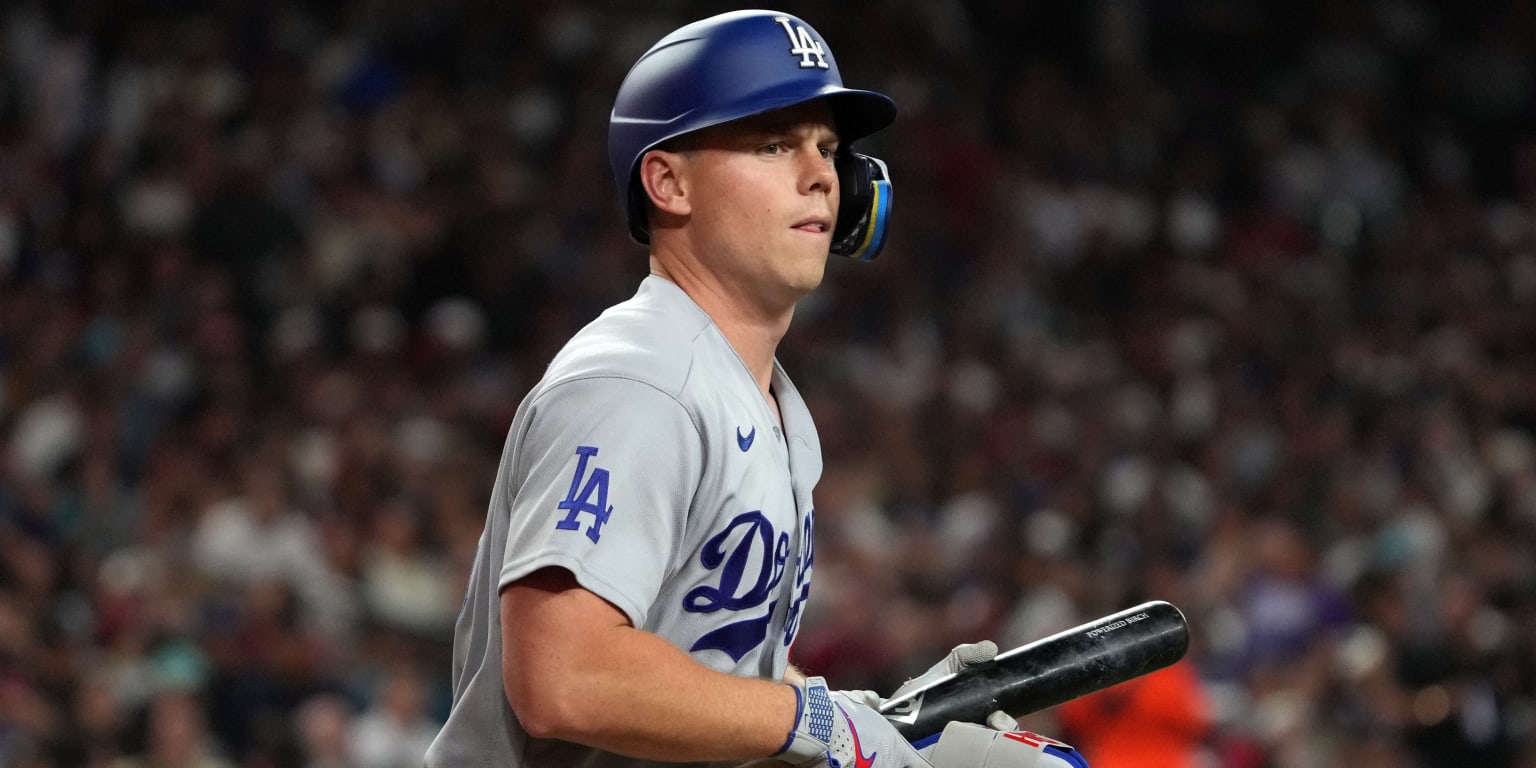
Will Smith's absence from the Dodgers' lineup became official on Wednesday night. The three-time All-Star catcher is heading to the 10-day injured list with neck stiffness, a condition that has already cost him four consecutive games. The timing compounds what was already a brutal loss at PNC Park—a 9-8 collapse where the Dodgers surrendered a five-run advantage—leaving the club scrambling for depth behind the plate as the season enters its second third.
The immediate casualty is roster flexibility. Dalton Rushing becomes the Dodgers' only healthy catcher, a steep operational reality that forces Los Angeles to call up Chuckie Robinson from Triple-A Oklahoma City to provide depth. Robinson figures to arrive Thursday for the series finale against Pittsburgh, but the club will be operating with a catching platoon anchored by a prospect rather than the All-Star Smith carried into June. The Dodgers have opening roster space for Robinson—they're using a free 40-man slot—but what they don't have is organizational depth at catcher that can absorb a prolonged absence.
Smith's season numbers reveal a performer still inside productive bands despite the injury cloud. He's hitting .249 with a .338 on-base percentage and a .382 slugging mark, along with six home runs across 52 games. Those batting lines aren't a star year, but they're functional. The real loss isn't statistical—it's infrastructure. Smith's left-side bat coverage and ability to handle a staff through a full game represent organizational value that neither Rushing nor Robinson can replicate in a deadline-contention window. The Dodgers will lean harder on Rushing in high-leverage spots and trust Robinson to soak innings in blowouts, a defensive posture that shrinks their pitch-calling flexibility.
For betting purposes, this creates a secondary-market angle rather than a direct hitting fade. The catcher's toll extends to pitcher strikeout management and walk rates rather than to Smith's own prop lines, which presumably won't exist while he's sidelined. But the staffing crunch does flatten the Dodgers' bullpen elasticity—relief pitchers may see longer outings because the club can't cycle catchers as fluidly, a constraint that tends to elevate team totals in games where the offense starts cold. If the Dodgers' offense underperforms early, the pitching staff absorbs fatigue that normally distributes across multiple arms. Lean cautiously away from Dodgers overs in the next 10 days, particularly in games where starter workload spikes and the bullpen pressure mounts.
Smith's return timeline sits at 10 days minimum, which would position him back in contention around mid-June. But soft-tissue injuries at catcher—a position that involves daily rotational stress and explosive movements behind the plate—carry recurrence risk. The organization may proceed conservatively even after the IL window closes.