Lindor Stays Put as Mets Implode: What His Contract Means for Contention Odds
By Erik Schwartz ·
David Stearns is keeping Francisco Lindor despite a franchise catastrophe, signaling the Mets won't fully surrender—but that commitment may cost them flexibility when they actually try to compete.
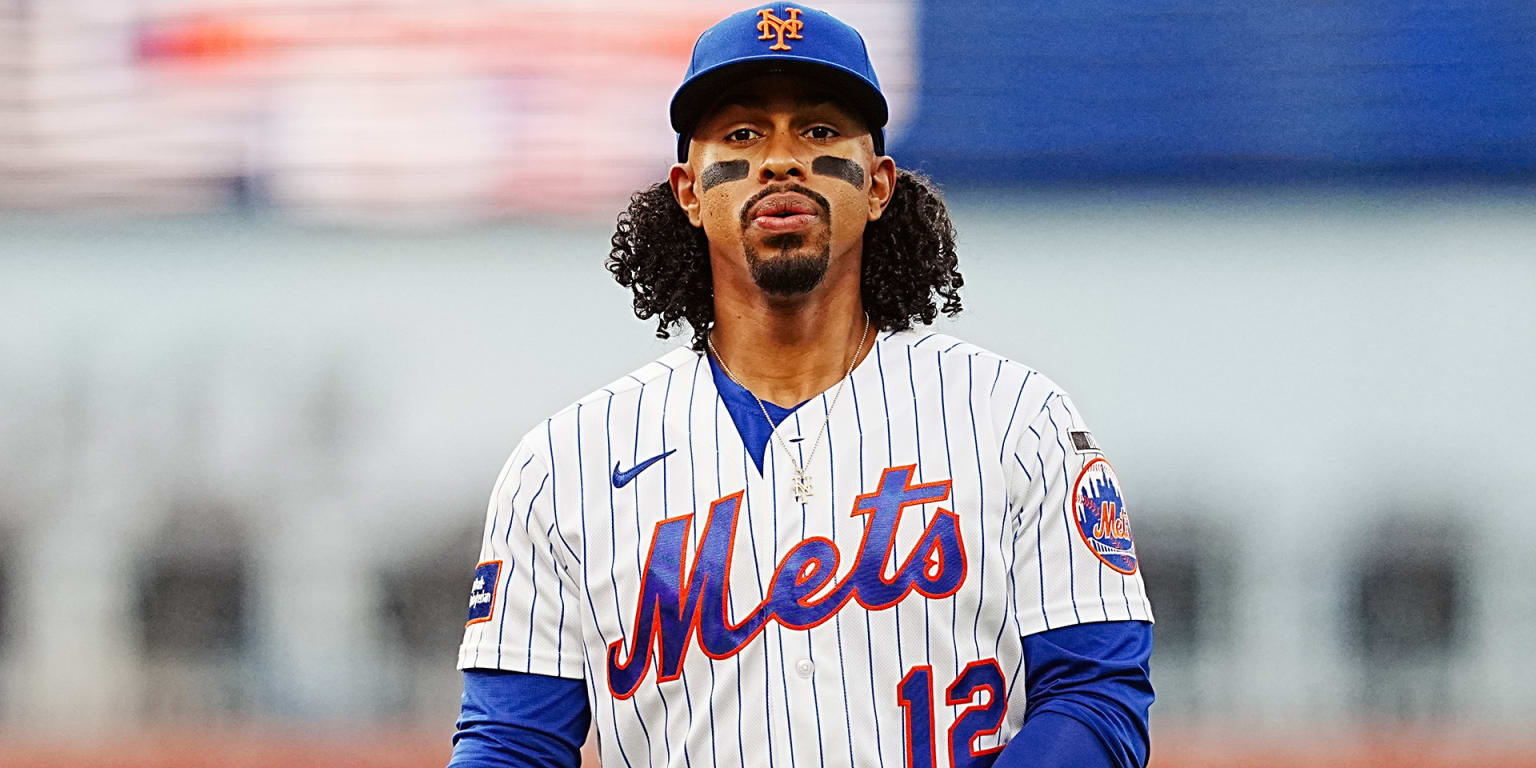
David Stearns made it official Friday: Francisco Lindor is not going anywhere at the deadline. The Mets' front office chief stopped short of a flat denial—"I'm not going to rule out or in any specific player on anything," he said—but the subtext was unmistakable. Lindor, at 32 with five years remaining on his 10-year, $341 million contract, will remain a Met through the trade deadline and beyond. This matters because the organization is drowning. After finishing last season at 38-55, the Mets are currently on pace to lose 100 games for the first time since 1993. Their record has cratered from 45-24 in June 2025 to 81-116 at this point—a 36-loss swing in 13 months. The front office has eroded in the eyes of the fanbase, and the winning timeline has vanished.
Yet Stearns is choosing to anchor his franchise to Lindor anyway. That's either conviction or desperation, or some mixture of both. The shortstop is objectively the most talented two-way player the organization has ever housed at the position—better than Jose Reyes in his prime, better than Buddy Harrelson or David Wright in adjacent eras. Before this season's injury cost him 115 games, Lindor was hitting 30-plus home runs for the third consecutive year and had driven in 90-plus runs in three of his four seasons with the club. When healthy, he's a 160-game player capable of 35 home runs and 100 RBIs with dynamic baserunning. The market chatter around a potential deal was real and persistent over the past month, but Stearns rejected it.
The calculus here is brutal. If the Mets trade Lindor now—absorbing his massive contract and its remaining $180 million in salary—they're surrendering not just the present, but the narrative that recovery is possible. They've already lost Pete Alonso in free agency this past winter. Dealing away another franchise cornerstone would signal organizational collapse to every free agent and international prospect in the pipeline. Stearns is buying himself time to prove the system can function again, even if that system is currently hemorrhaging losses at an unsustainable rate. The cost of that conviction is five more years of a generational contract on a team that may not contend for two of them.
For bettors, Lindor's presence creates a structural floor on Mets team totals. Even in a 100-loss season, the Mets can't tank him into irrelevance—his price is fixed, his role is non-negotiable, and when he's on the field, he generates runs above a replacement shortstop at a rate of roughly 6-8 per 162 games. Fade aggressive unders on Mets team totals whenever Lindor returns from injury and plays a full slate. The market will price them as if the organization has abandoned competitive intent; Lindor's mere presence ensures they haven't, at least not entirely. A shortstop who historically produces 30+ home runs and 90+ RBIs over a full season will drag the Mets' offensive floor upward, regardless of the franchise's record. His name alone prevents a true tank.
The real edge is timing-based. Monitor Lindor's return-to-play date closely. The moment he logs three consecutive games without re-injury (likely within the next 10-14 days from July 25), team total overs become more valuable, because the market will still be discounting his impact on a team that looks broken. That window closes fast—once the market recognizes his availability is back to normal, the edge evaporates. But in the immediate post-return period, before price adjusts to his actual contribution, overs on Mets team totals hold value.