Skubal's Long-Ball Vulnerability Resurfaces in Loss to Yankees
By PropBetEdge Editorial Team ·
Three home runs allowed in six innings expose a pattern that persists even as Skubal returns to form post-surgery.
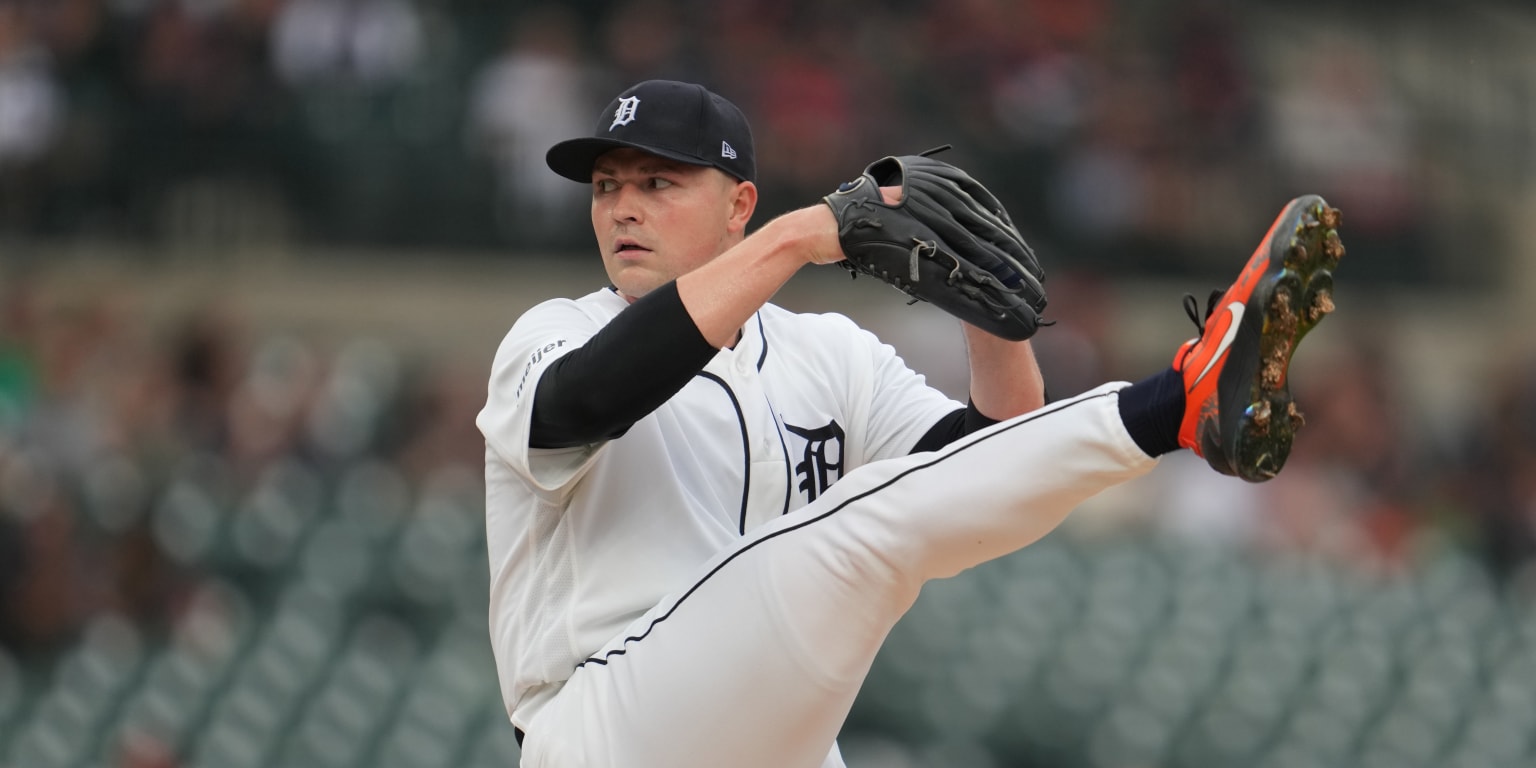
Tarik Skubal struck out nine Yankees hitters over six innings Wednesday night at Comerica Park, but surrendered four runs on three home runs—a rare regression for a pitcher who had avoided that damage profile since his 2021 rookie season. The Tigers' left-hander showed resilience through a brief groin scare in the third inning, staying in the game after a trainer consultation, but could not suppress the Yankees' power in the middle innings. Two solo shots to Paul Goldschmidt and a two-run blast from Jasson Domínguez in the sixth inning proved the difference in Detroit's loss.
Skubal is three starts removed from arthroscopic surgery to remove loose body material from his left elbow—a procedure that typically carries a 4-to-6 week recovery window for pitchers. The fact that he's back in competition this quickly suggests the surgery was minor and the constraint was structural rather than ligament-based. His strikeout rate remains elite; nine K's over six frames (13.5 per nine) tracks with his career pattern. But the home run allowance tells a different story. Over 130 innings last season, Skubal allowed 1.38 homers per nine innings. Wednesday's three-homer outing in 78 pitches represents acute exposure to elevated fastball elevation and predictable sequencing—both common compensatory patterns as a pitcher reintegrates after time away.
Goldschmidt's first-inning leadoff homer came on a 3-1 fastball elevated in the zone after Skubal fell behind 3-0. His second came five pitches into a nine-pitch at-bat in the sixth, when Skubal's curveball stayed too high. Domínguez's two-run shot followed a nine-pitch duel in which Skubal eventually turned to a changeup on an 0-2 count—a pitch selection that suggested fatigue or predictability creeping in as the appearance stretched. The Tigers' pitching staff has allowed 4.2 home runs per nine innings over the last 14 days, well above their season average of 3.1, a gap traceable partly to reduced fastball command among returning pitchers.
For prop bettors, Skubal's strikeout line carries elevated risk for the next two to three starts. Yes, his K rate remains among the league's elite, and that underlying skill won't disappear. But strikeout props are heavily influenced by pitch efficiency and early-count command—both of which degrade when a pitcher is regaining feel post-surgery. The real signal here is not the single-game blowup; it's the mechanism. Skubal's fastball velocity sits at 95.8 mph on average over this three-start window, down from his 2025 baseline of 96.4 mph. That 0.6 mph gap, combined with the groin discomfort, suggests his lower-body drive remains compromised. Until he logs a full five-start block without mechanical degradation, expect tighter margins on strikeout volume and a higher floor on home run risk. Books have likely adjusted his HR/9 upward already, but his strikeout props may not yet reflect the command dropout that precedes elbow-surgery pitch sequencing patterns.
Detroit faces Houston in the series finale Friday night. The Astros strike out at a 19.2% rate, league-average, and do not swing-and-miss as aggressively as the Yankees. That matchup shift could mask Skubal's current state. Fade his strikeout overs against higher-contact teams for the next seven to ten days.