Skenes' Win Drought Masks a Deeper Control Problem
By Erik Schwartz ·
Pittsburgh's ace hasn't won since May 12, but the real concern isn't his ERA—it's that his command is fragmenting exactly when the market thinks it's intact.
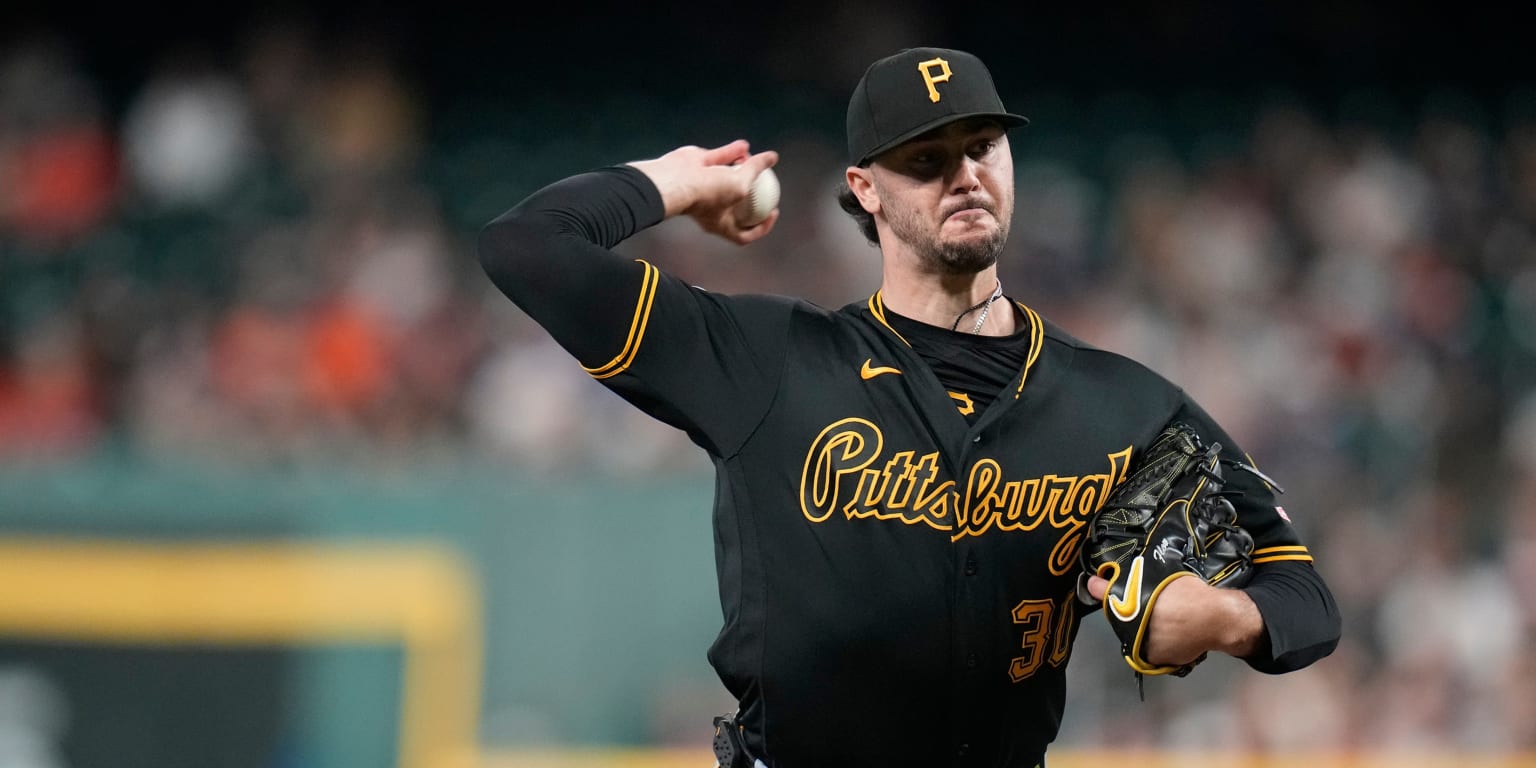
Paul Skenes hasn't recorded a win in 33 days. His last victory came May 12 against Colorado; since then, he's surrendered 13 earned runs across 26 innings, a stretch that reads like regression on the surface. Yet his seasonal ERA remains 2.84 and his WHIP sits at 0.93—numbers that would suggest a pitcher firing on all cylinders. The disconnect is the story. Skenes faces Miami on Sunday in the final game of Pittsburgh's homestand, and bettors fixated on the ERA are missing what last Tuesday's outing against the Dodgers revealed: his mechanics are splintering under pressure.
In that game, Skenes threw his fastball 47% of the time—an 11-point spike from his season average of 36.2%—because he needed the strikeout. He abandoned his secondary arsenal in a tight spot and leaned harder on a single pitch, a classic tell of a pitcher whose confidence in his command has fractured. Yes, the fastball generated 12 whiffs and he recorded 62 strikes on 103 pitches (60.3%), which sounds acceptable. But that 60.3% strike percentage ranked as the sixth-worst of his career. He's been better than that in more difficult matchups. The bullpen's implosion—10 runs in the seventh inning—obscured the fact that Skenes himself was narrowing his pitch menu and narrowing his effectiveness margin with each inning.
The context matters more than the win-loss record suggests. Across 76 innings this season, Skenes has walked just 15 batters, a 5% walk rate that ranks in the 95th percentile league-wide. That's elite ball control. But the source also shows he's been tested lately; his last 26 innings (post-May 12) have carried the weight of offensive support that hasn't materialized. The Pirates' lineup hasn't been able to protect him, forcing him into pitching-to-contact situations and higher leverage counts where his fastball-heavy approach becomes predictable. Against Miami, he owns a 2.38 ERA in 11 1/3 innings with 16 strikeouts against just three walks—a masterclass in efficiency. But that success came earlier in the season when the pressure on his pitch selection was lower.
For prop purposes, the key is recognizing that Skenes' strikeout prop (likely in the 8.5-9.5 range against Miami given his high whiff rate on the fastball) carries a structural risk bettors aren't pricing. His fastball is his escape hatch when things tighten, but overusing it reduces the whiff probability on secondary pitches. Miami has seen him twice and owns a .333 average against him with limited power (two hits, one walk for Edwards; two hits for Lopez in limited at-bats). They're not a lineup to fear, but if Skenes again abandons his curve and slider early—signaling continued confidence fractures—his strikeout ceiling compresses despite the opponent's weakness. His walk rate has been his signature; any erosion there is the first warning signal of a deeper mechanical issue.
The moneyline narrative around Skenes is clean: he's due for a win. The Pirates will likely be favored. But the smarter read is that Skenes is one bad inning away from another short outing, not because of his talent (2.84 ERA is real) but because his pitch sequencing is now dictated by win-loss pressure rather than matchup advantage. Watch his fastball usage in the first two innings. If it's north of 40%, the strikeout and innings-pitched props face headwinds. If he can reestablish his secondary stuff early, the props align with the outcome the market is already pricing.