Skenes' Fastball Still Carries Elite Run Value Despite Velocity Dip
By Erik Schwartz ·
Paul Skenes returns from All-Star rest with his four-seamer intact, even as mph numbers have ticked down to 96.9.
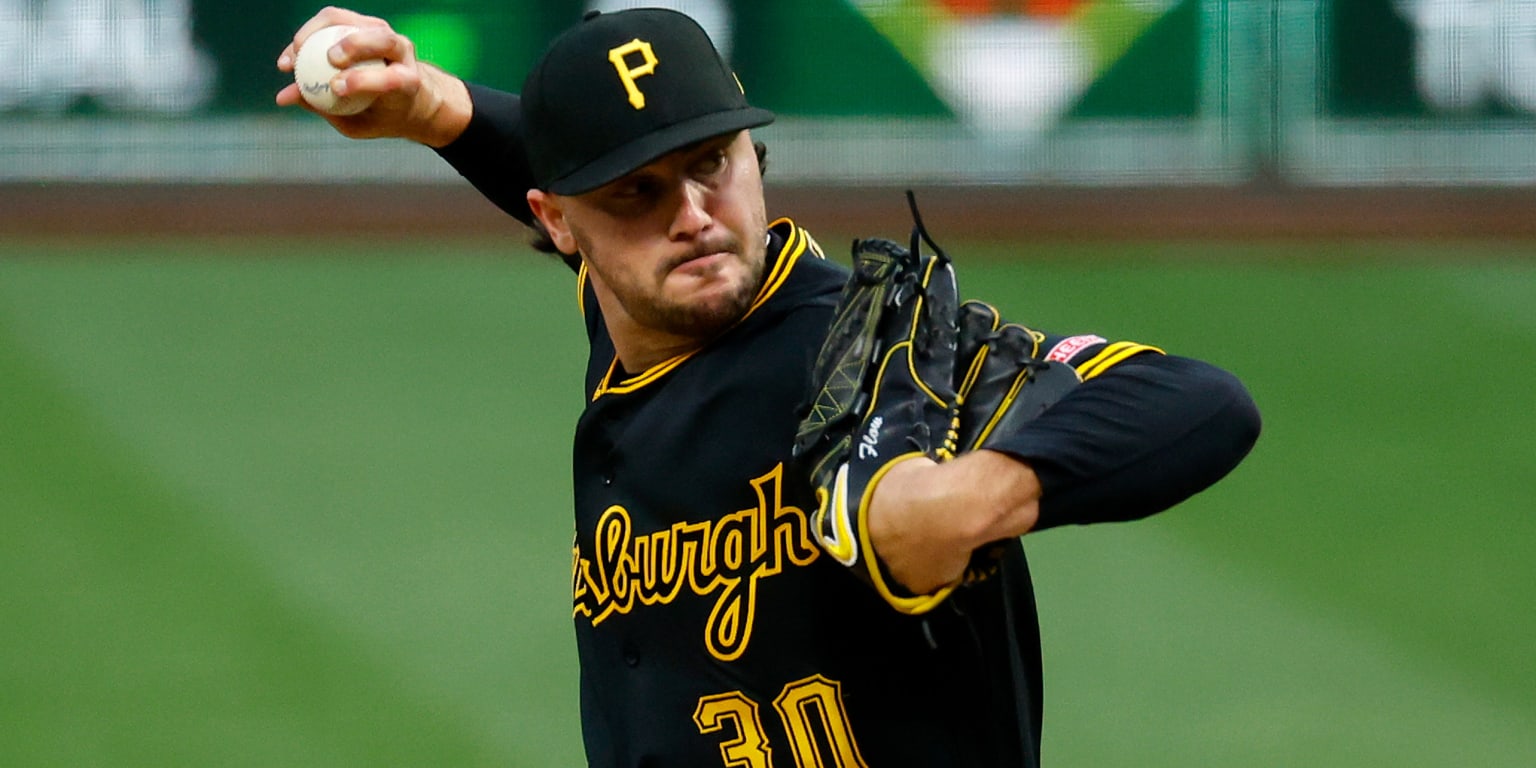
Paul Skenes takes the mound Sunday afternoon in Cleveland for his first start since the All-Star break, looking to extend a two-start winning streak that erased a nine-game winless drought spanning May, June, and early July. The Pirates' ace is fresh off a dominant outing against Milwaukee last Sunday, when he allowed two runs in 5⅓ innings while throwing just 82 pitches—Pittsburgh's offense did the heavy lifting, erupting for 10 runs in the fourth inning. That performance followed another quality start against Atlanta on July 7, when Skenes surrendered two earned runs in six innings. The turnaround is tangible after a July 1 implosion in Philadelphia, where he yielded a career-high seven earned runs.
The narrative around Skenes has shifted toward concern about his fastball velocity, which has dropped from 98.2 mph to 96.9 mph over the course of the season. That's a measurable decline, and it's legitimate to track. But the underlying pitch quality tells a different story. His four-seam fastball carries a +11 run value—elite territory, placing it in the 94th percentile across Major League Baseball. The batting average against that pitch sits at .195, nearly identical to his 2025 mark of .200. In other words, hitters aren't barreling the fastball more often just because it's a tick slower. Command and life matter more than raw velocity at his tier.
Skenes faces a Cleveland lineup missing José Ramírez (injured list) but featuring two rookies—Travis Bazzana and Chase DeLauter—who anchor the Guardians' top of the order. Kyle Manzardo, who tagged Skenes for a homer in their April 2025 meeting, is also in the mix. That prior outing saw Skenes allow only two earned runs in seven innings despite the home run, striking out just four. The context matters: he wasn't dominant that day, but he was functional. Sunday's matchup carries less star power than it appears on paper.
For prop purposes, the fastball data is the real leverage point. Skenes' strikeout rate typically correlates with fastball whiffs—his elite run value means batters are either missing or making weak contact. Against a Cleveland lineup without its best hitter and featuring two rookies adjusting to major-league velocity (even at 96.9), the conditions favor elevated strikeout production relative to his season average. The velocity discount is already priced into Skenes' K props; the fact that his pitch quality remains in the 94th percentile is not. Early books may hang a number assuming the velocity means command slippage. It doesn't, based on hit probability and swing-and-miss rates.
Skenes' previous two outings included a combined 14 strikeouts in 11⅓ innings as he returned to his pre-May form. Against a hobbled Cleveland roster in the second half, the strikeout upside is real. The market will likely flag the velocity dip as a cautionary tale; smart money should recognize that fastball run value is what actually drives strikeouts, not the radar gun number.