Mariners Rotation Roulette: Miller's Dominance Threatens the Six-Man Blueprint
By Ty Whitney ·
Seattle's decision to keep Thursday's starter unnamed signals a pivot away from the six-man rotation, and Bryce Miller's elite numbers suggest the team will consolidate innings in his hands.
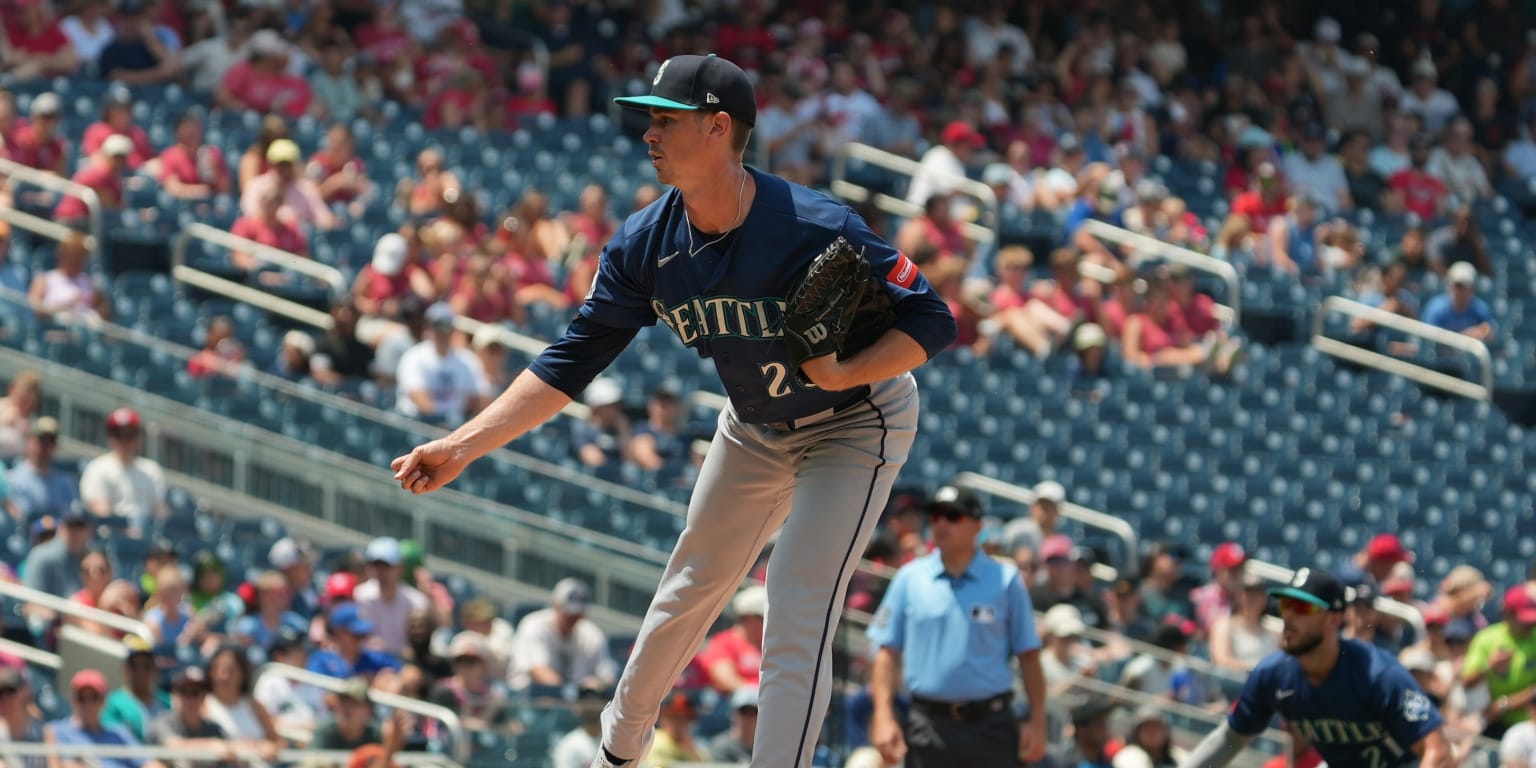
The Mariners are one game away from scrapping their six-man rotation experiment. On Monday, Seattle announced its pitching alignment for the upcoming Orioles series with a conspicuous blank: Logan Gilbert starts Tuesday, George Kirby starts Wednesday, and the Thursday starter remains TBA. That's an unusual choice for a team that typically reveals an entire series' rotation at once, and it's the first real signal that the club's pivot two weeks ago hasn't solved their depth problem.
The mechanics behind the potential shift trace directly to Bryce Miller's performance since returning from a left oblique strain on May 13. In six starts since the comeback, Miller carries a 1.54 ERA with a 260 ERA+ (260 ERA+ means he's been 160% better than league average) while surrendering just a .513 OPS to opposing hitters. The Mariners have won four of those six games. His most recent outing—a complete-game-caliber performance last Friday—crystallized the team's thinking: why distribute innings across five rotation arms when Miller can shoulder a workload that anchors the staff? That's the pragmatic calculus facing manager Dan Wilson. The three-turn piggyback with Luis Castillo that preceded the six-man setup produced a 1.67 combined ERA with two wins in three starts, but it required perfect two-starter synchronization. Miller's solo dominance offers a more stable foundation.
Bryan Woo's recent collapse—seven earned runs, including a career-high six in a single inning last week against Baltimore—has become the liability the rotation can't absorb under a six-man framework. A piggyback or compressed five-man rotation shifts the burden to top-tier arms and away from second-tier starters. The Mariners are also eyeing Kade Anderson, their No. 3 overall prospect, who continues to post elite numbers at Double-A (6-0, 1.13 ERA in 11 starts). If Anderson gets called in the next six weeks, the organization's actual depth is even thinner than current rosters suggest—another reason to consolidate rather than spread out the workload.
For proposition bettors, the rotation uncertainty creates a near-term pricing inefficiency on Mariners game totals and starter strikeout props. If Seattle locks into Miller in his slot and reverts to a piggyback or five-man rotation, Mariners game totals could compress 0.5 to 1 run lower on Miller starts compared to current opening numbers, because the team no longer has a soft-spot fourth starter eating innings. Conversely, Miller's own strikeout line may shift higher (by 0.5 to 1 K) as the Mariners lean on him for deeper into games. The market has not yet fully repriced for a permanent rotation restructure; the TBA announcement suggests Seattle itself hasn't finalized the move. Once the Thursday starter is named—or if it remains a Wednesday-night decision—the true rotation shape will emerge, and opening lines for subsequent series will reflect it. Until then, Miller strikeout overs (if his line moves to 7.5+) represent a durable edge on starts immediately following a return to five-man or piggyback architecture, because increased leverage and deeper leverage appearances almost always correlate with elevated K volume.