Oakland's Fifth-Inning Barrage Exposes Angels' Bullpen Vulnerability
By Erik Schwartz ·
A six-single blitz that lasted 11 minutes turned a shutout into a rout, and it reveals why middle-relief depth matters when your starter falters.
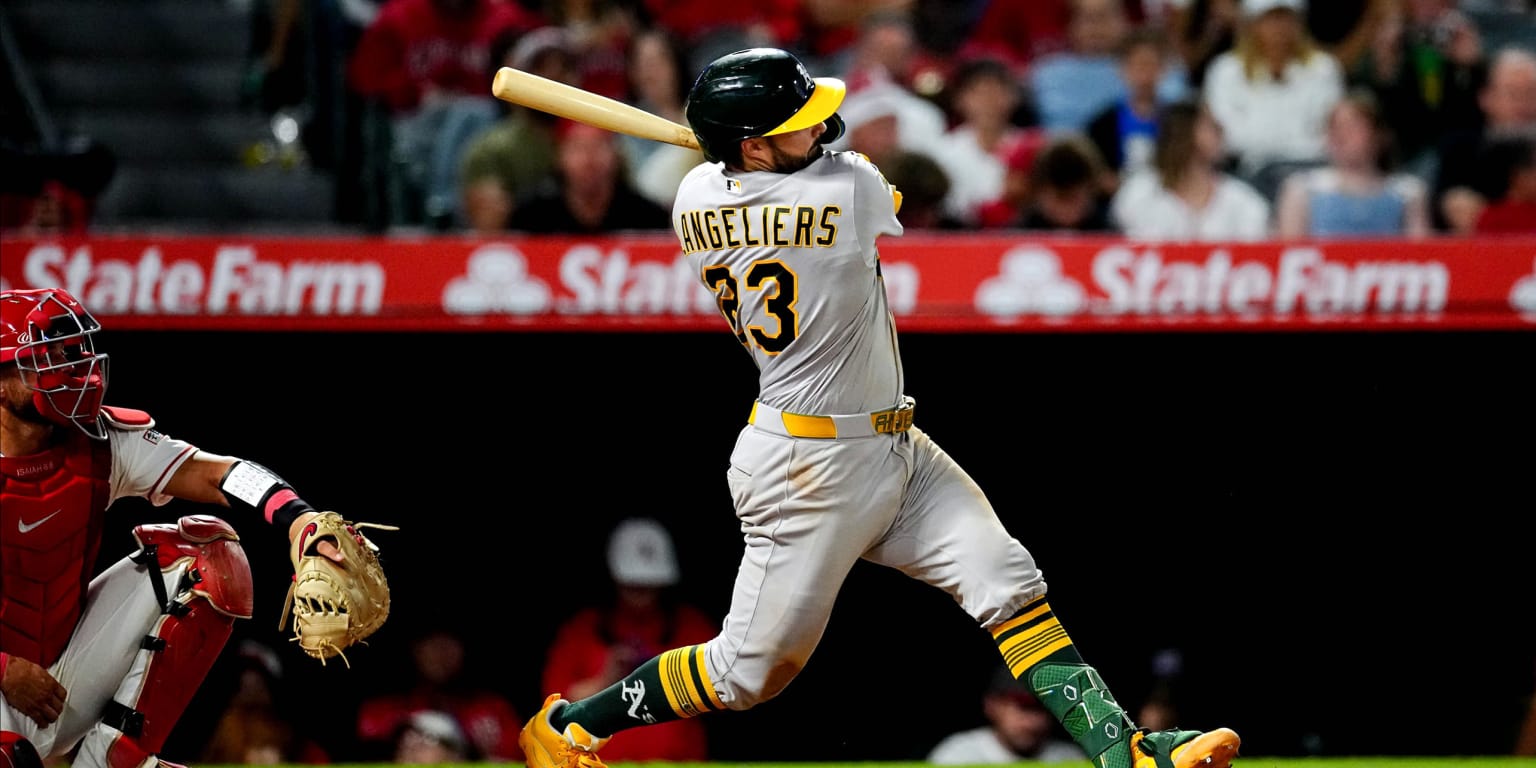
The Athletics dismantled Angels starter Walbert Ureña in a single inning Friday, scoring seven runs on six consecutive singles in the fifth frame to win 9-3 at Angel Stadium. Through four innings, Oakland had managed no baserunners against Ureña, who had thrown five scoreless innings against the same opponent just one week prior. That shutdown lasted until a Soderstrom walk and a Butler walk cracked the door open. Once it did, Oakland sprinted through it.
What happened next was less about Oakland's talent and more about Ureña's inability to escape the inning. McNeil delivered a two-run single. Williams followed with a single, then advanced on a throwing error. Bolte drove in two more runs. Kurtz snapped a 0-for-15 slump with an RBI single. Langeliers added another run-scoring hit. The sequence wasn't flashy—no home runs, no extra-base hits—but it was suffocating in its consistency. Single after single exploited a pitcher who had no command in the zone and no relief available to stop the bleeding. Ureña's inability to escape the fifth inning with the game still manageable forced the Angels' hand early, turning what could have been a competitive game into a 7-1 deficit before the halfway point.
J.T. Ginn, Oakland's starter, made easy work of the run support. After a near-perfect outing on May 18—eight no-hit innings at this same stadium before surrendering a walk-off homer—Ginn delivered six solid innings Friday, allowing three runs on eight hits while striking out five and walking one. The Angels managed just 1-for-7 with runners in scoring position, a telling indicator of how little they could capitalize even when Oakland put runners on base.
For bettors tracking Oakland's offensive consistency, this game masks as much as it reveals. The A's didn't generate six hits in a vacuum; they benefited from Ureña's late-inning mechanical breakdown and a catcher's throwing error that extended their rally. Single-inning explosions like this one are outliers—high-variance events driven by pitcher deterioration rather than sustainable offensive quality. Oakland's ability to string together consecutive hits is real, but the margin of victory (6 runs) and the manner of scoring (contact baseball with one error bail-out) suggests the market will be slow to adjust their run-production totals upward. The pattern to monitor is not Friday's explosion but whether Oakland's bottom-third lineup continues to make pitchers uncomfortable in high-leverage counts—a multi-game trend worth tracking before loading up on team totals.
The Angels' bullpen depth now comes under scrutiny. Ureña's inability to survive the fifth forced early usage of middle relievers in a game that should have been more predictable. That attrition compounds over a full series and season. For Oakland prop angles going forward, look to team totals when facing opposing starters with recent blow-up outings; the confidence level for those pitchers drops measurably in their next scheduled start, and teams with contact-oriented lineups like the A's can exploit that hesitation.