Ohtani's Clutch Sixth Inning Powers Dodgers Past Rays in Pitcher's Duel
By Erik Schwartz ·
One swing ends a scoreless stalemate and exposes how heavily the Dodgers lean on their superstar in high-leverage moments.
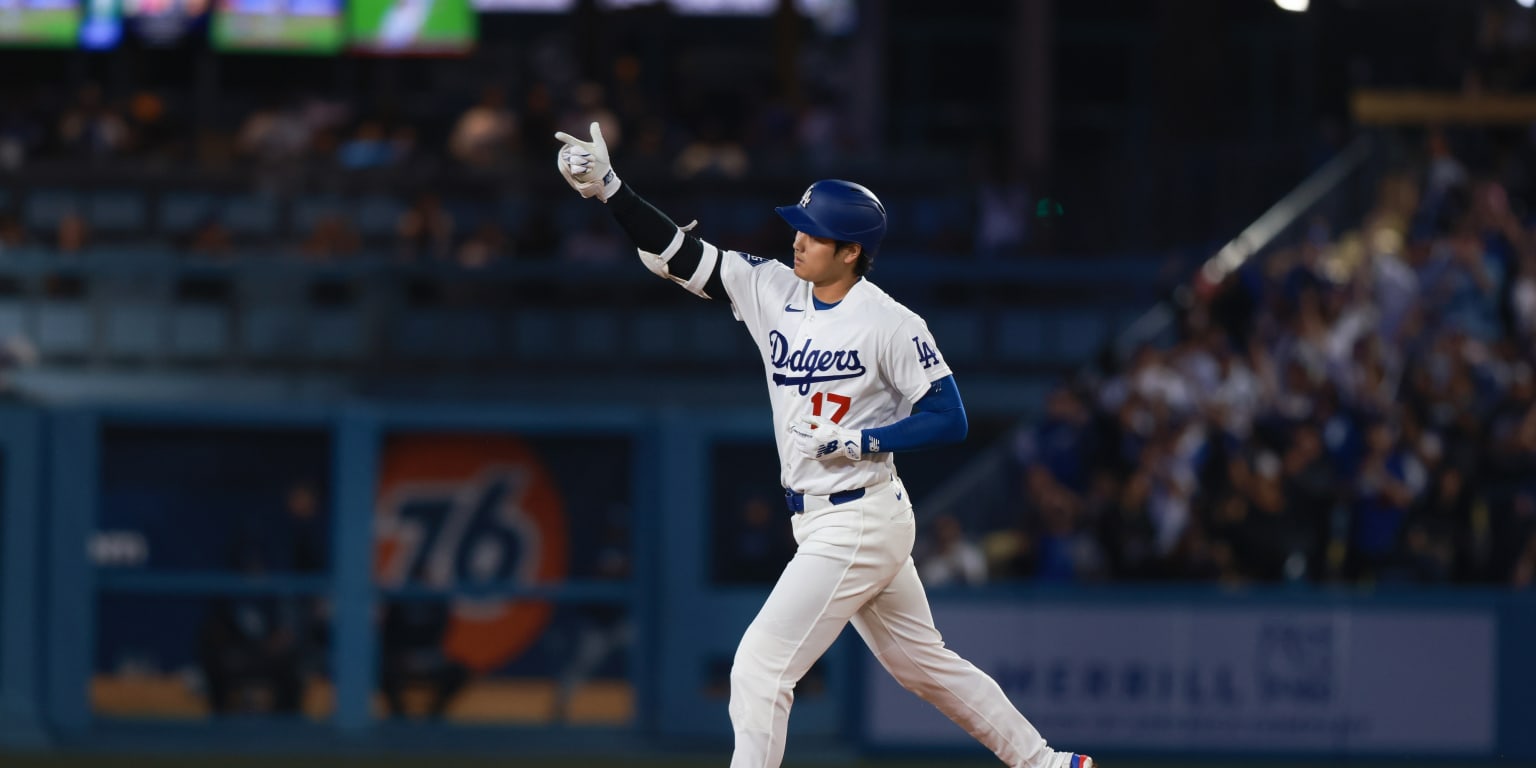
Shohei Ohtani broke a deadlock with a solo home run in the bottom of the sixth inning Tuesday night at Dodger Stadium, lifting Los Angeles to a 1-0 victory over Tampa Bay and extending their series lead to 2-0. The blast—his 15th of the season and fourth in his last six games—came against Rays starter Drew Rasmussen and proved to be the only run either offense could muster in a controlled pitching performance from both sides.
What's notable here isn't just the result but the timing and context. Ohtani entered the plate hitless in his previous two games, a stretch that would normally invite concern about a brief downturn. Instead, he delivered exactly when the Dodgers needed it most: with the game scoreless, runners off the bases, and the offense generating little rhythm. The home run landed straightaway to center field—a product of his ability to find middle-of-the-zone fastballs and elevate them with authority. This wasn't a grand slam or a two-run shot; it was surgical. One swing, one run, one win.
On the mound, Justin Wrobleski set the tone with six scoreless innings on just 67 pitches, allowing only three scattered singles while striking out five. He walked no one, leaning on his four-seam fastball and slider to neutralize a Rays lineup that has shown pop this season. The bullpen then executed flawlessly: Will Klein induced a 4-6-3 double play in the seventh to escape a leadoff walk, and Kyle Hurt and Tanner Scott pitched clean frames to seal the shutout. This was methodical, efficient baseball—the kind that doesn't produce box-score fireworks but does produce Ws.
For prop bettors, Tuesday's result offers a cautionary signal about how the Dodgers construct their offensive value. Their ability to win 1-0 games speaks to elite pitching depth, but it also reveals a structural vulnerability: when their lineup can't break through, they become entirely dependent on Ohtani to manufacture something from nothing. His next four games include game three of this series on Wednesday—where he takes the mound as the starting pitcher, removing his bat from the equation—followed by matchups against opponents with varying defensive schemes. The Dodgers' moneyline odds should reflect not just his presence but the specific leverage situation. Against right-handed pitchers who rely on fastballs, Ohtani's home run line (currently around 1.5) may be undervalued given his track record of elevating mistake pitches in tight contests. The inverse applies to games where he's pitching; his offensive absence means the Dodgers' run-scoring burden shifts entirely to a supporting cast that managed zero runs Tuesday.