Okamoto's 23rd Homer Breaks Ohtani's Japanese Rookie Mark—and Signals Toronto's Offensive Desperation
By PropBetEdge Editorial Team ·
A Blue Jays outfielder just eclipsed a Shohei Ohtani rookie record, but his breakout power hasn't solved baseball's quietest offense.
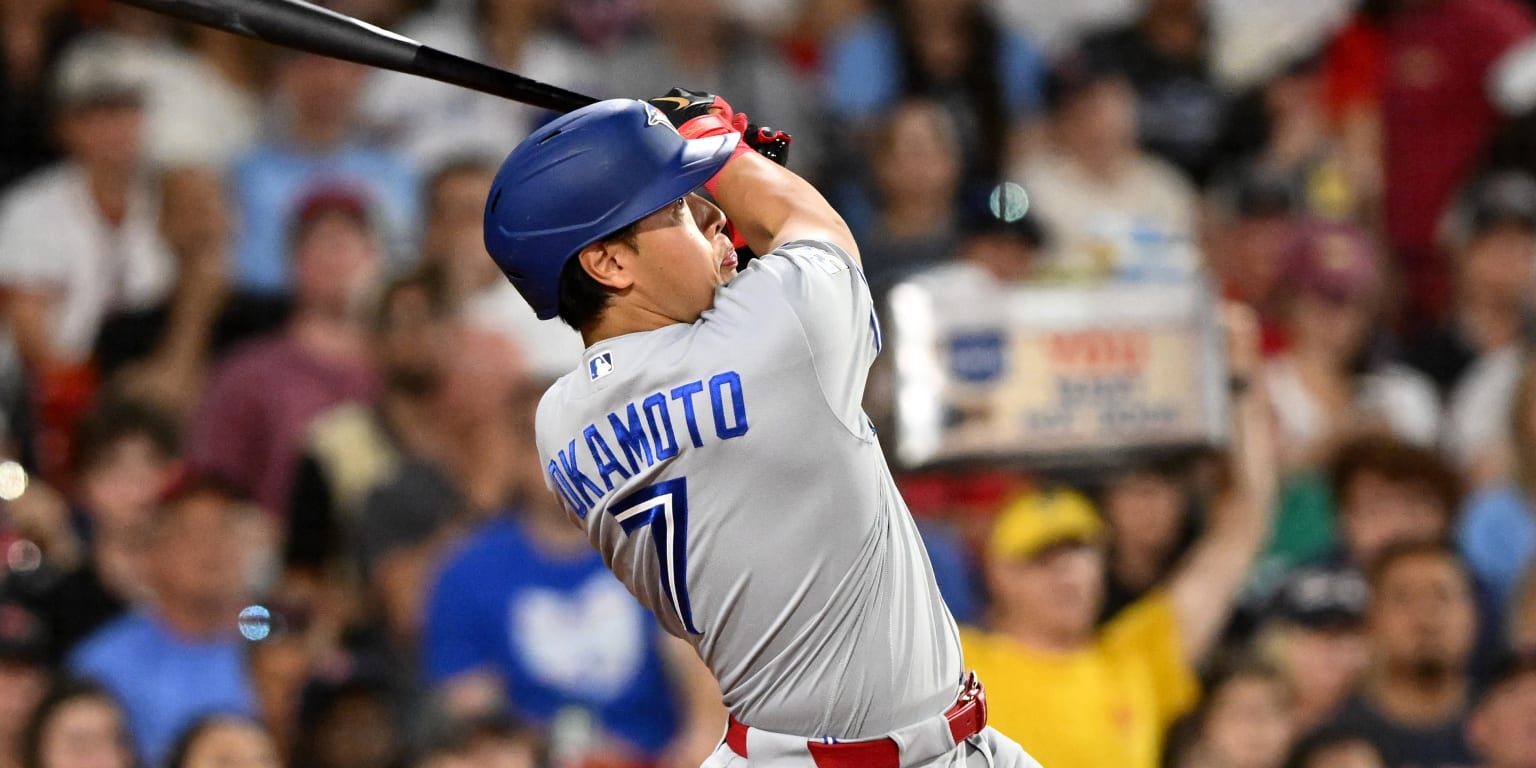
Kazuma Okamoto hit his 23rd home run Friday night at Fenway Park, a 408-foot rocket to center field that gave him sole possession of the Japanese-born rookie home-run record, surpassing Shohei Ohtani's previous mark. The timing felt almost secondary to the real story: Toronto's offense remains moribund even with one of its best hitters launching the ball 400-plus feet. Okamoto entered the week hitting .254 with that elite power profile intact, but the Blue Jays rank last in runs scored in MLB—a chasm no single player's home-run surge can fill.
The 23-homer pace through late July matters because it reveals both Okamoto's legitimacy and Toronto's structural problem. He signed a four-year, $60 million deal in the offseason, and the team bet heavily that adding a power source would catalyze their lineup. Instead, the offense has sputtered around him. He isn't hitting cheap ones—every homer carries the kind of exit velocity and distance Statcast respects—but isolation power without on-base skills or lineup depth is a limited arrow. Okamoto's strikeout rate has been volatile; his plate discipline has improved since April but remains a constraint.
Compare this to Munetaka Murakami, the White Sox' fellow Japanese-born power threat now chasing the record with 20 homers in fewer games despite time on the injured list. Murakami has matched Okamoto's raw power and played in a lineup with better depth, meaning his home runs have come with more runners on base and greater run-creation value. The rookie homer race is real, but it masks the deeper issue: Okamoto's breakthrough doesn't move Toronto's win total or team-run total in the way a lineup-wide offensive awakening would.
For bettors tracking Blue Jays props, Okamoto's continued power production is durable—his Statcast metrics (barrel rate, hard-hit %) suggest the homers are sustainable—but the team context is a headwind. His home-run line will likely reflect his pace (27–30 by season's end is reasonable), and that prop carries value if the market is still discounting his power after months of proof. However, any bets tied to Toronto's team total or run production should remain cautious. One elite power hitter in a last-place offense is not a trend reversal.