Senga's Velocity Returns, but Mechanics Remain the Real Rehab Hurdle
By PropBetEdge Editorial Team ·
The Mets' ace hit 97 mph in his first minor-league outing, but his own assessment signals the spine injury left deeper damage than velocity alone.
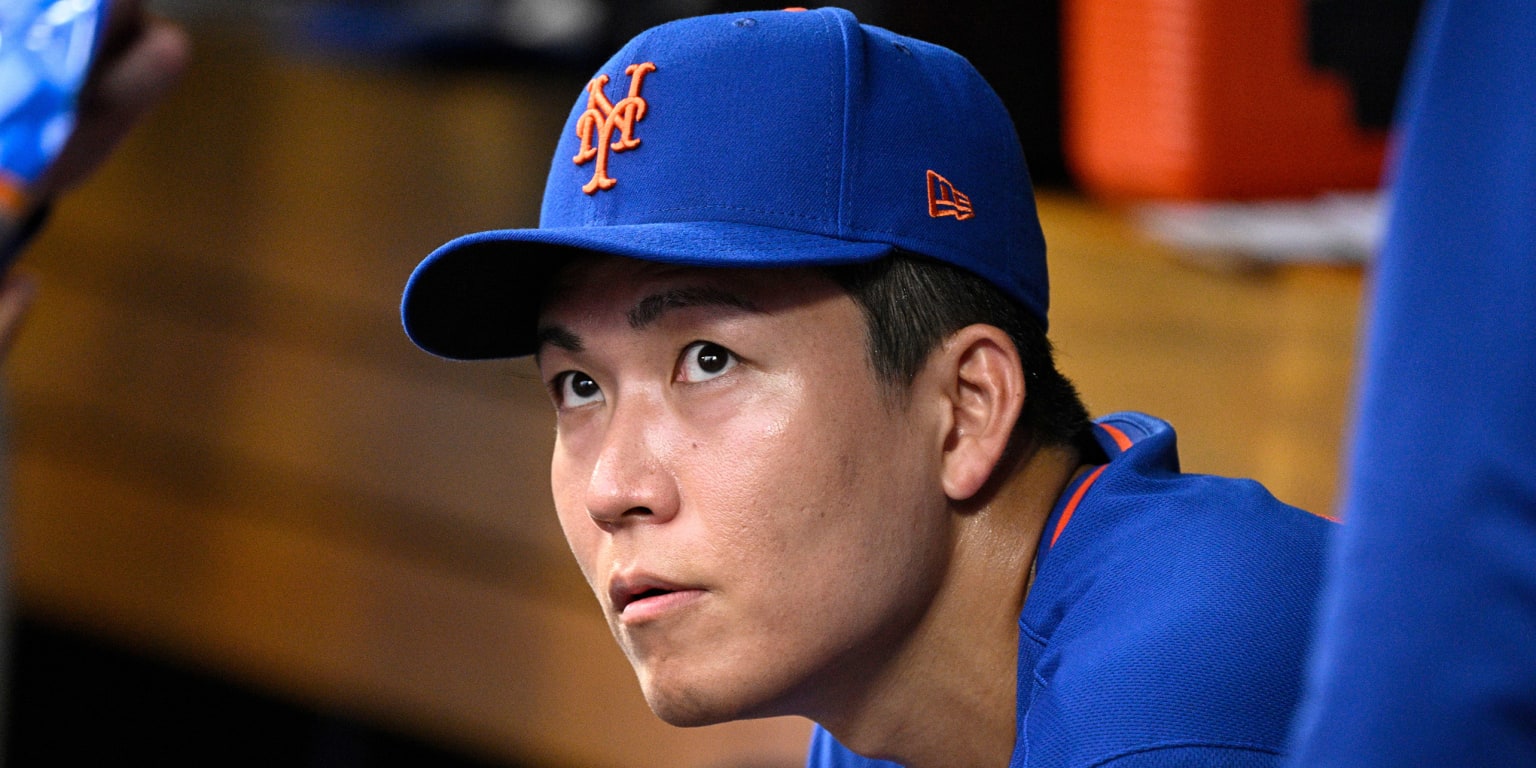
Kodai Senga threw 58 pitches over 3 1/3 innings for Single-A St. Lucie on Friday, hitting 97.7 mph on his fastball and striking out two. The velocity spike matters—it confirms the epidural injection he received in late April didn't blunt his arm. But the performance itself carries a warning: he allowed two runs on four hits and a walk to Triple-A caliber competition, coughing up back-to-back RBI singles in the third inning. This is not a pitcher rounding into form.
Senga's lumbar spine inflammation has sidelined him since April 28, and the injury's residual effects linger in ways the radar gun can't measure. He threw 35 strikes on 58 pitches—a respectable 60 percent strike rate—but deployed a full arsenal (four-seamer, forkball, cutter, sweeper) in a way that signals he's still searching for consistency. His own statement through an interpreter was unambiguous: velocity had returned, but mechanics hadn't. "There have been lingering things with my body that have affected the delivery," he said, adding he won't return to the majors unless he's 100 percent. That's not manager-speak; that's a diagnosis. A pitcher whose mechanics are fractured becomes a liability, not an anchor.
Context matters here. Senga's 2023 rookie campaign was legitimate—166 1/3 innings, elite run prevention. But this season he's been a disaster: 20 innings, 9.00 ERA, 1.95 WHIP, .313 opponent batting average. The spine inflammation arrived mid-April and short-circuited everything. One rehab start doesn't reverse five starts of wreckage, and the fact that Senga is already flagging his own mechanics suggests the Mets will need more than one or two minor-league outings to feel confident sending him back.
For Mets bettors, this rehab timeline reshapes rotation strategy over the next three weeks. Senga can remain on assignment through June 20, but the emphasis on mechanical repair over velocity points to a longer road than a quick minor-league tune-up. In games where the Mets start a fill-in starter or roll with a bullpen-heavy approach while Senga completes his ramp-up, the team's strikeout generation could dip. More relevant for prop hunters: when Senga does return, expect his velocity line to carry outsized attention in early action. Books will price his first starts off the 97 mph showcase, not accounting for the mechanical inconsistency he's already identified. His strikeout rate will lag his velocity, and overs on his K prop will attract wrong-way action.
Senga's rehab timetable now hinges on delivery refinement, not arm strength. That's a longer process. Lean unders on his strikeout prop in his first two starts back, and discount early public enthusiasm about the "97 mph Senga is back" narrative—the radar gun told us velocity; his own analysis told us the rest of the story.