Senga's Velocity Dip and Control Issues Signal Extended Rehab Timeline
By Erik Schwartz ·
Kodai Senga's second rehab outing revealed troubling mechanical problems that will keep him off the Mets' active roster longer than early optimism suggested.
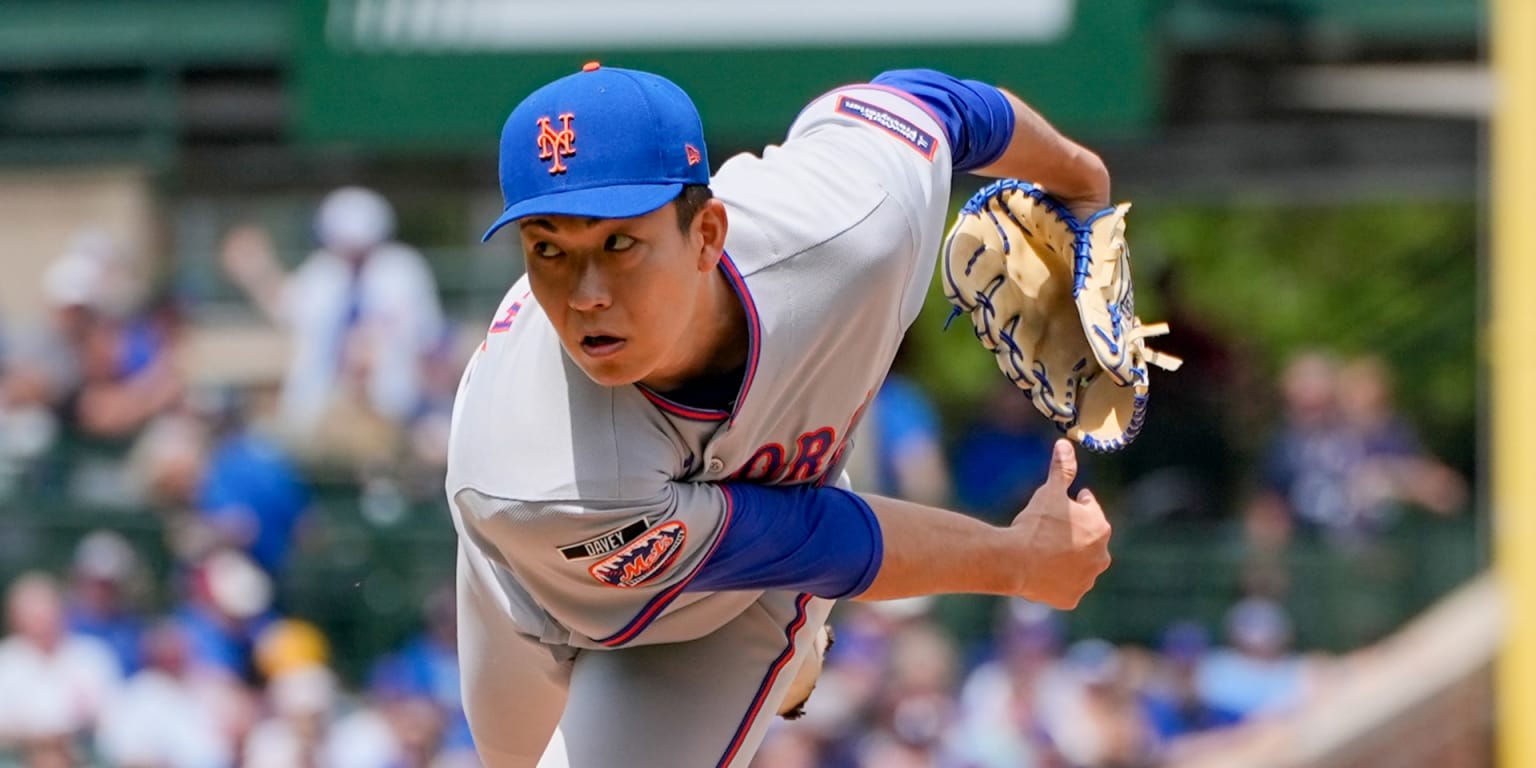
Kodai Senga took the mound for Triple-A Syracuse on Thursday in his second rehab assignment since landing on the injured list April 28 with lumbar spine inflammation. The results looked deceptively respectable on the surface—five strikeouts in 3⅔ innings, four of them on his signature forkball—but the underlying mechanics tell a different story. He needed 80 pitches to record 11 outs, with only 51% of his offerings finding the strike zone. Three runs (two earned) crossed on four hits, two walks, and a hit-by-pitch. More concerning than the run total was the velocity regression and command collapse that bookended his performance.
Senga opened sharp, striking out the side in the first on 12 pitches. Then the second inning unraveled completely. He loaded the bases on a single, walk, and hit batter, then issued a five-pitch walk to force in a run—the kind of secondary-stuff reliance that screams incomplete arm strength. A sacrifice fly added a second run. His four-seamer, which averaged 95.5 mph and touched 97 in his May 22 debut rehab start, was noticeably diminished: average velocity dropped a full tick to 94.3 mph, and he reached 96 only once Thursday versus nine times the prior week with Single-A St. Lucie. That velocity loss isn't cosmetic. For a pitcher of Senga's profile—reliant on the heater to set up his forkball—a sustained dip of that magnitude indicates he's either still managing inflammation or hasn't regained the stabilizing core strength to drive velocity off his back leg. The Mets haven't disclosed a timeline beyond the June 20 rehab assignment deadline, but the velocity trend suggests he won't be ready before that window closes.
From a roster construction standpoint, the Mets were banking on Senga as their de facto ace once healthy. Instead, they're looking at at least three more weeks of reinforcements from the waiver wire and depth rotation. The club's pitching depth is mediocre; every game he misses is a game managed without a premium strikeout arm in the rotation. For bettors, the implication is straightforward: don't expect Senga to log starts for the Mets until late June or early July at the earliest, and when he does return, his early outings will carry injury-risk noise—velocity variance, walk rate inflation, and reduced strikeout efficiency as he rebuilds tolerance. The velocity gap between rehab start one and start two suggests he hasn't stabilized yet, and rushing him to the majors before mechanical rhythm returns invites a relapse that costs the Mets weeks of rotation stability.