Ahlstrom's Retroactive Win Exposes MLB's Scoring Inconsistency Problem
By Ty Whitney ·
A scoring correction four days late reveals why relief pitcher win eligibility remains one of baseball's most arbitrary rule interpretations.
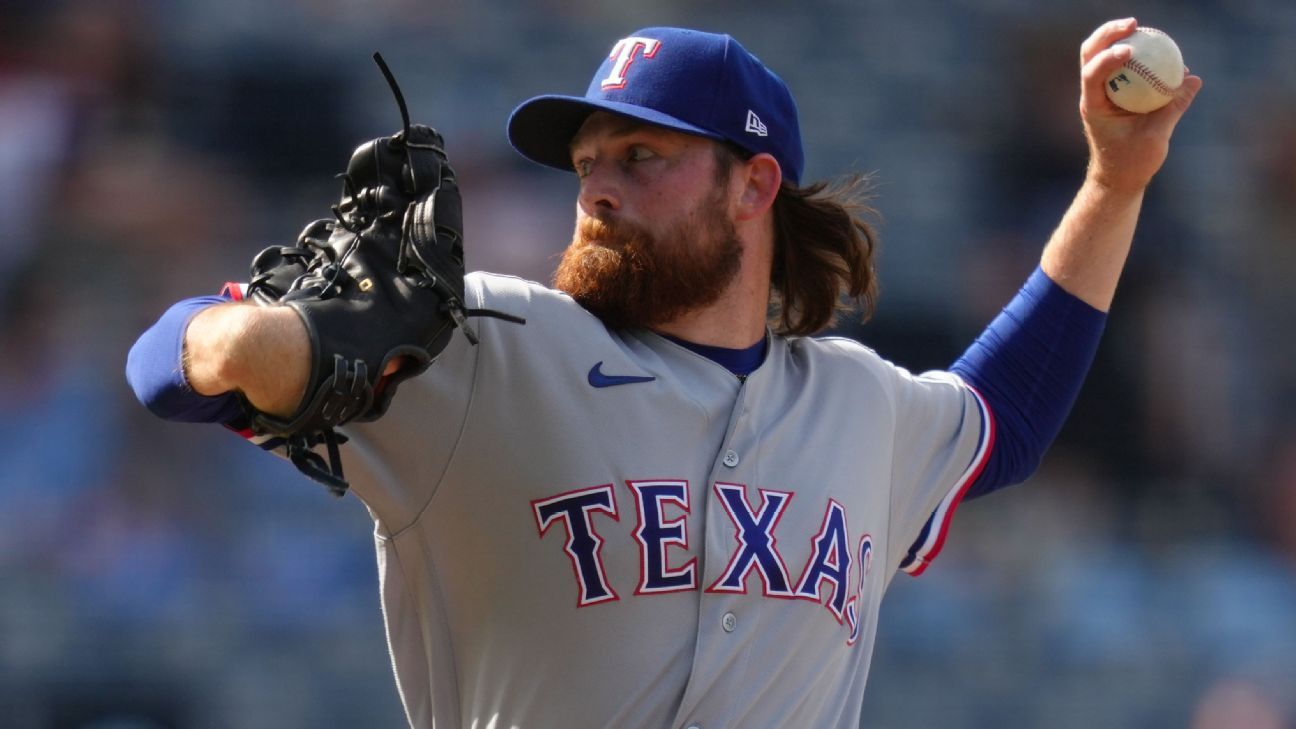
Robby Ahlstrom pitched his way into the Rangers' victory over Kansas City last Thursday, retired all four batters he faced with two outs in the fifth inning, and watched the team extend its lead to 4-2. He then got a beer shower in the clubhouse—the traditional marker of a fresh winner in baseball. On Monday, nearly 96 hours later, MLB's official scoring reversal made that celebration retroactively correct. The Rangers appealed the original scorer's decision to credit closer Jacob Latz with the win instead, and the league agreed Ahlstrom deserved it.
The mechanics of the error are straightforward: Kumar Rocker, the Rangers starter, exited one out short of qualifying for the win. That made Ahlstrom (who entered with two outs and a runner on, then retired all four he faced) the natural winner under baseball's rulebook. Latz, who pitched with a save situation in play, had no business with the win—and Latz himself vouched for Ahlstrom when the appeal was filed. The original scorer simply got it wrong. What's less defensible is the four-day lag and the fact that Ahlstrom's entry into MLB's official record book—his first win, a career milestone—was initially filed incorrectly by a human scorer with no real-time correction mechanism available.
For bettors, the broader lesson is that relief pitcher win props remain one of the sloppier corners of the prop market. Win eligibility depends on game situation, pitcher usage, and starter performance—all of which shift minute-by-minute and are then adjudicated after the fact by a scorer whose decision is subject to appeal and reversal. Ahlstrom made his debut on June 3, just 13 days before this Thursday game, meaning he was still establishing his role definition with the club. His exact availability in save situations, non-save scoring positions, and hold scenarios hadn't yet crystallized. Markets pricing reliever win props do so without reliable historical samples on young arms, and they price without acknowledgment of the scorer's discretion.
The practical takeaway: relief pitcher win props—especially for rookies and low-leverage relievers—carry embedded ambiguity that sportsbooks haven't fully accounted for. When a reliever enters with the winning run in scoring position and pitches multiple innings in a non-save situation, the win is supposed to flow to him, but execution depends on scorer judgment and appeal. Ahlstrom's case is rare (the reversal happened), but the fragility of the rule is not. Bettors should treat reliever win lines for depth players and call-ups with skepticism, particularly in low-leverage spots where the scorer has discretionary latitude.