MLB · injury
Schmidt's One-Game Return Ends in Biceps Setback; Hanner Steps In
The Yankees righthander lasted a single relief appearance after Tommy John recovery before neuritis forced him back to the injured list.
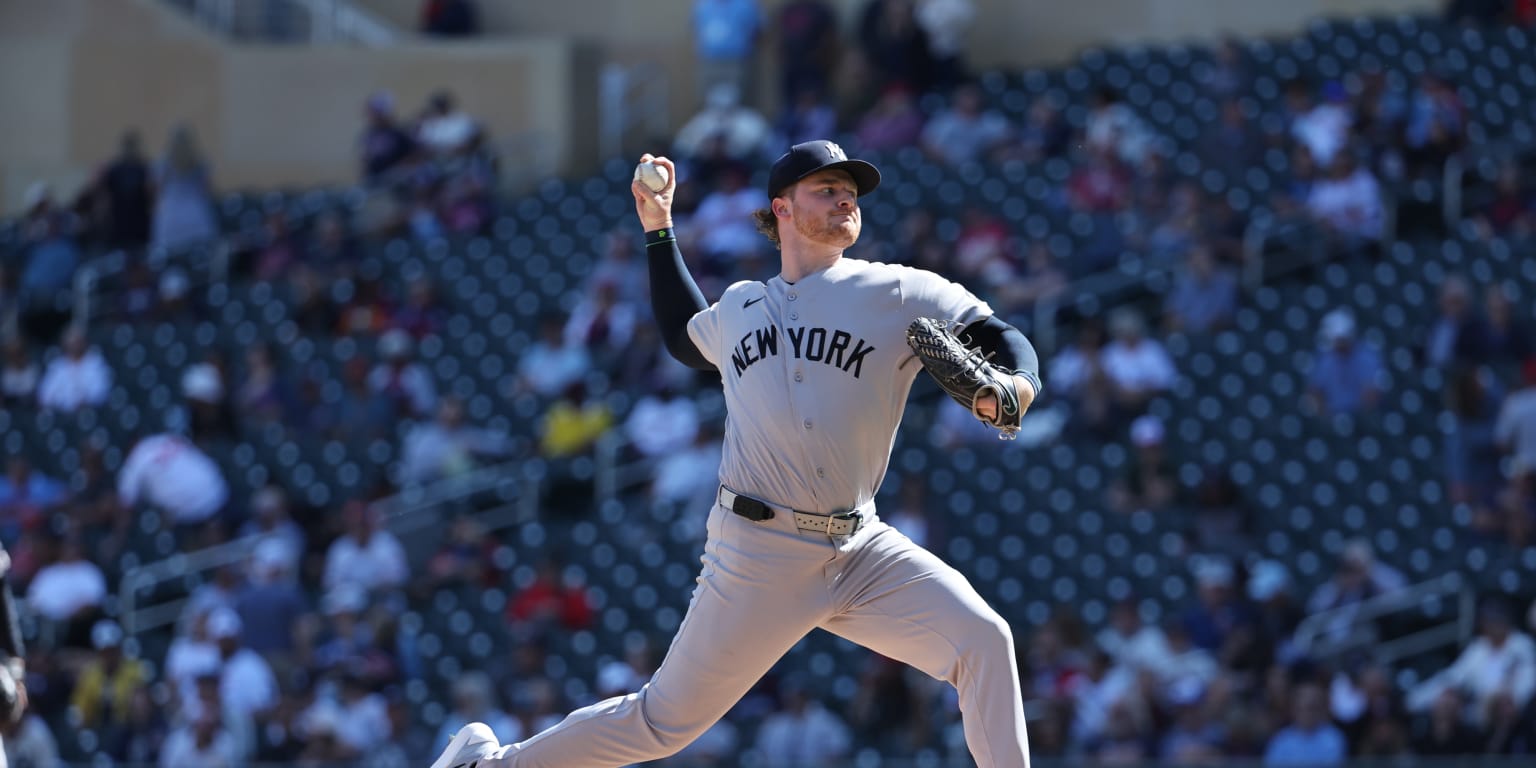
Clarke Schmidt's comeback from Tommy John surgery lasted exactly one game. The Yankees placed the 30-year-old righthander on the 15-day injured list retroactive to Monday, citing right bicep neuritis after he experienced cramping during warmups before a relief appearance Sunday against Arizona. Bradley Hanner, a 26-year-old righthander from Triple-A Scranton/Wilkes-Barre, was recalled Thursday to fill the rotation void.
Schmidt had cleared medical evaluation and pitched Sept. 16, striking out two and allowing two hits over two-thirds of an inning—his first appearance since undergoing Tommy John surgery in early July. The return was meant to be a controlled reintroduction to game action. The biceps cramping that forced him out of Sunday's game suggests the nerve irritation that now defines his setback was already present, or that the workload of returning too quickly to high-leverage situations triggered inflammation in the surgical site's vicinity.
This is Schmidt's second IL stint in under three months. Before the July shutdown, he posted a 4-4 record with a 3.32 ERA across 14 starts in 2025, performing well enough to project as a mid-rotation option down the stretch. The bicep neuritis complicates that timeline. Unlike a clean strain or tear, neuritis—inflammation of the nerve—can linger and is prone to recurrence if the underlying mechanical stress isn't resolved. A pitcher returning from elbow reconstruction is inherently fragile in the weeks immediately after clearance; the biceps and surrounding soft tissue are still adapting to load.
For betting purposes, Schmidt's absence removes depth from the Yankees' pitching structure precisely when October approaches. The rotation now leans more heavily on remaining healthy arms, potentially forcing earlier-inning usage of relievers who were banked for late-game leverage. That shifts the implied volatility of Yankees team totals and moneyline odds in a narrower, more binary direction—wins and losses will increasingly depend on run prevention in innings where replacements start instead of seasoned starters. Fade Yankees unders if you've been leaning on Schmidt's return to stabilize the middle innings; that edge has evaporated.