Schlittler's Control Collapse Signals Volatility in Yankees Rotation
By Erik Schwartz ·
A rare implosion from baseball's ERA leader raises questions about whether Monday's meltdown was an outlier or the start of a regression in command.
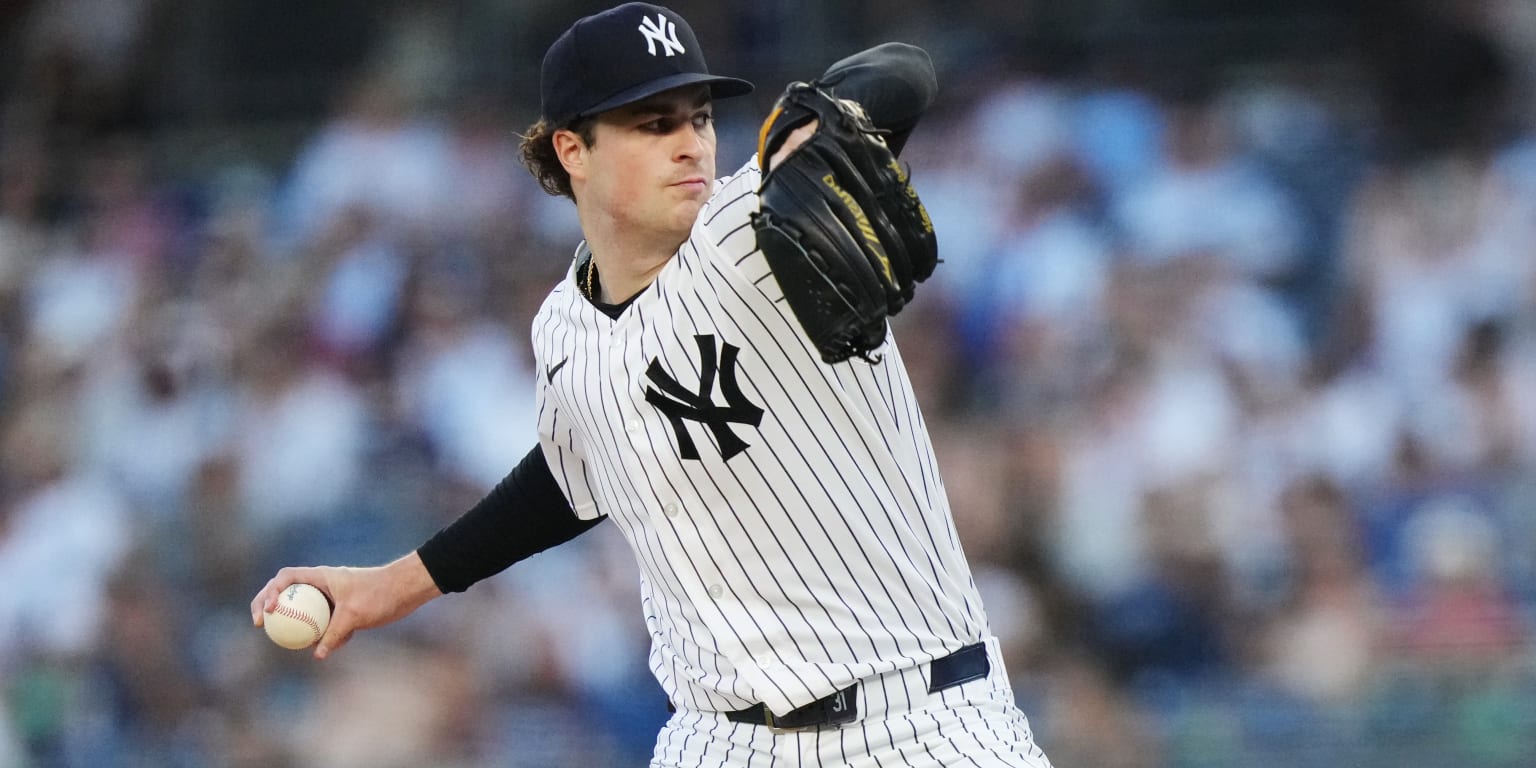
Cam Schlittler exited after three innings Monday night against St. Louis, his shortest start of the 2026 season, having walked five batters and allowed four runs on just nine outs. The Yankees' right-hander, who led the American League with a 2.04 ERA entering the game, surrendered a two-run homer to Alec Burleson in the first and couldn't escape the third without significant damage. At 83 pitches to record nine outs—a clip of 9.2 per out—Schlittler burned through ammunition without the precision that has defined his season.
The context matters here. Schlittler had strung together consecutive quality starts on the road against Philadelphia and Chicago, posting the kind of line that earns trust. Walk rates that low don't sustain themselves through 162 games; some regression was inevitable. The question is whether Monday represents a single rough outing or evidence that fatigue is eroding his command as the season deepens. His ERA jumped to 2.26 from 2.04, a swing that reflects how quickly elite pitchers can deteriorate when control falters. He still leads the AL in ERA, but the margin compressed, and that margin is what bettors have been pricing into his strikeout props and team totals.
The mechanical issue is worth isolating. Five walks in three innings isn't random variance—it's a collapse in zone discipline. For a pitcher who has built his season on precision, this kind of performance triggers legitimate questions about workload or injury. If Schlittler's command remains compromised in his next start, his strikeout line will contract sharply as he's forced to pitch more carefully. Conversely, if this was a one-off occurrence driven by poor mechanics or weather conditions, his next outing could see a full reversion and a return to his season form.
The betting angle hinges on volume and volatility. Through the rest of August, Schlittler's strikeout props will likely remain inflated relative to Monday's performance—the market will have already priced in some correction, but not full recovery. If he posts a clean start in his next outing, backing the over on his K prop becomes appealing because the oddsmakers will have overcorrected downward. Conversely, if command remains spotty over his next two starts, the under gains durability. The real edge lies in identifying whether this was mechanical noise or a warning signal. A pitcher who averaged 8.5+ strikeouts per start before Monday suddenly posting a three-inning, zero-strikeout performance invites sharp action on both sides—but only one side gets the next matchup right.