Sandlin's 18-Batter Stretch Signals Efficiency Edge for White Sox Rotation
By Erik Schwartz ·
A rookie right-hander's composed debut—striking out four on just 61 pitches across six innings—reveals a rare combination of velocity and command that reshapes near-term rotation durability bets.
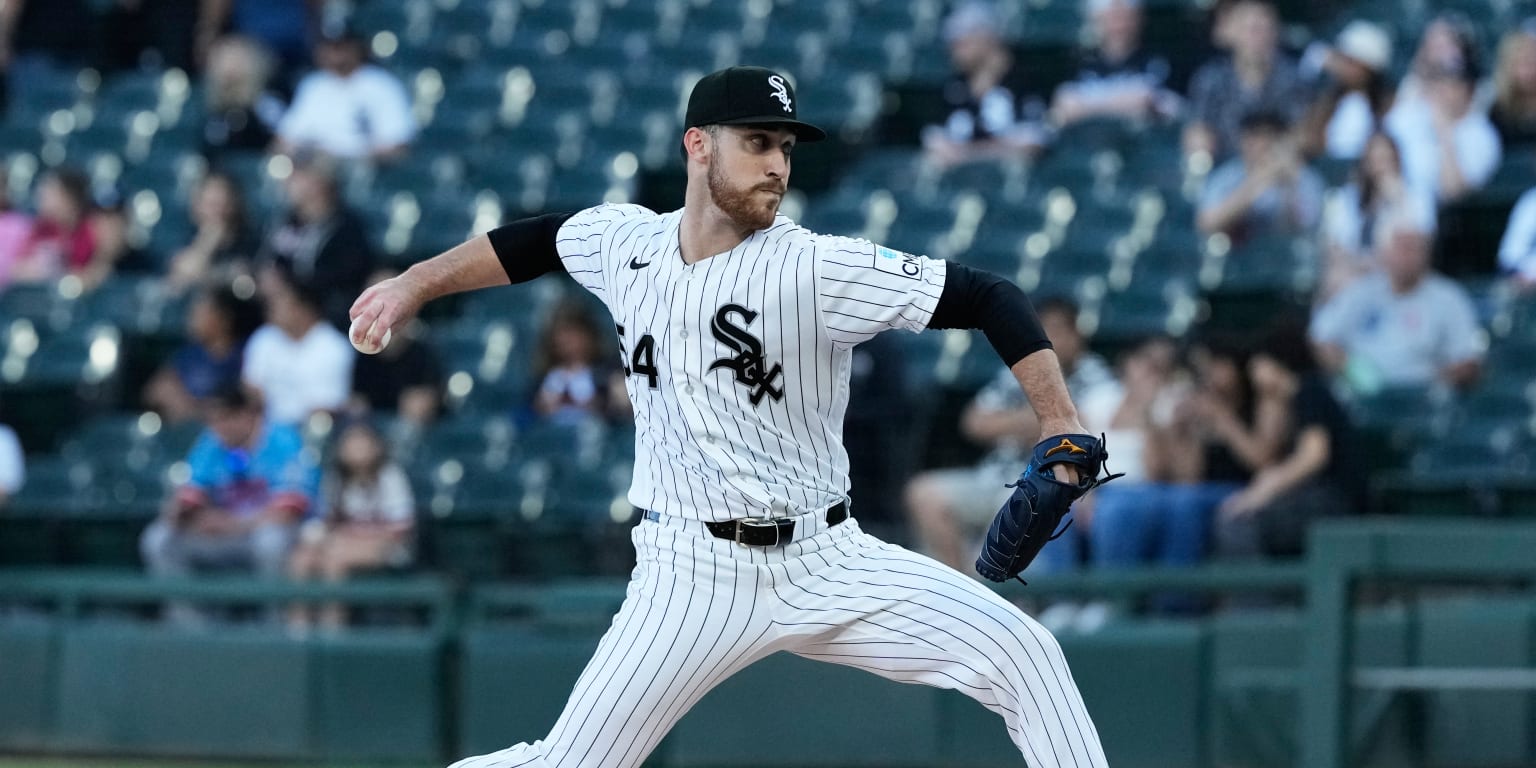
David Sandlin's Major League debut Wednesday against Minnesota was a masterclass in damage control. After Byron Buxton launched his second pitch for a leadoff home run, the 25-year-old right-hander from Owasso, Oklahoma, retired the next 18 consecutive Twins batters. He needed only 61 pitches to navigate six innings, sitting 97–99 mph with his fastball while mixing down a curveball that generated four strikeouts. The White Sox won 15–2, improving to 28–27 and guaranteeing consecutive months at .500 or better for the first time since 2023.
What separates Sandlin's debut from typical rookie flash is the mechanism underneath. White Sox manager Will Venable emphasized before the game that Sandlin possesses elite spin on his secondary stuff and enough confidence to attack the zone without working from behind. That confidence materialized: 41 of his 61 pitches were strikes—a 67% strike rate that sits in the 80th percentile for debut performances. The early exit—18 outs on minimal volume—wasn't the product of luck; it reflects a pitcher who doesn't nibble, doesn't fall into counts, and doesn't waste ammunition. In a rotation that has cycled through ten debuts already this season (tying the 2025 Athletics for the most by any team before June since 2000), Sandlin's efficiency profile stands apart.
For prop bettors, the immediate angle centers on strikeout production and innings durability across his next two or three starts. Sandlin's strikeout rate in this debut (4 K in 6 IP = 6.0 K/9) will likely anchor early projection models, but the more durable edge lies in his strike-zone discipline. Pitchers who throw 67%+ strikes in their first outing without surrendering walks tend to sustain that command profile over a 4–6 game sample before regression naturally occurs. The White Sox are likely to give him 90–100 pitches per start for at least the next month; his demonstrated ability to generate contact-managing strikeouts while staying under pitch counts creates a persistent edge on strikeout unders if the market over-inflates expectations based solely on the 4-K debut. Watch for books to post his K prop at 5.5 or 6 across his next start; the mechanism—not elevated velocity or sudden skill, but proven strike-throwing efficiency—supports a lean toward the under if that number appears.
The broader organizational signal is also worth parsing. Sandlin seized a roster spot because Noah Schultz landed on the injured list with patellar tendinitis; the White Sox clearly viewed him as the sharper talent despite Spring Training complications (back and elbow soreness). That internal valuation—a prospect ranked 18th in their system warranted a call ahead of alternatives—suggests front-office confidence in both his ceiling and his readiness to manage Major League workload without immediate blow-ups. For team total and spread bets involving the White Sox over the next 2–3 weeks, Sandlin's presence in the rotation reduces the volatility associated with injury-plagued depth arms. A competent starter who consumes six innings on 60–65 pitches is exactly what prevents a team from burning bullpen leverage early in games.