Dodgers Clinch 60 Wins Before July Trade Market Opens—What It Means for Deadline Positioning
By Erik Schwartz ·
Los Angeles becomes baseball's first team to 60 wins on a clutch Rushing single in extras, but the real story is how their season trajectory constrains their deadline moves.
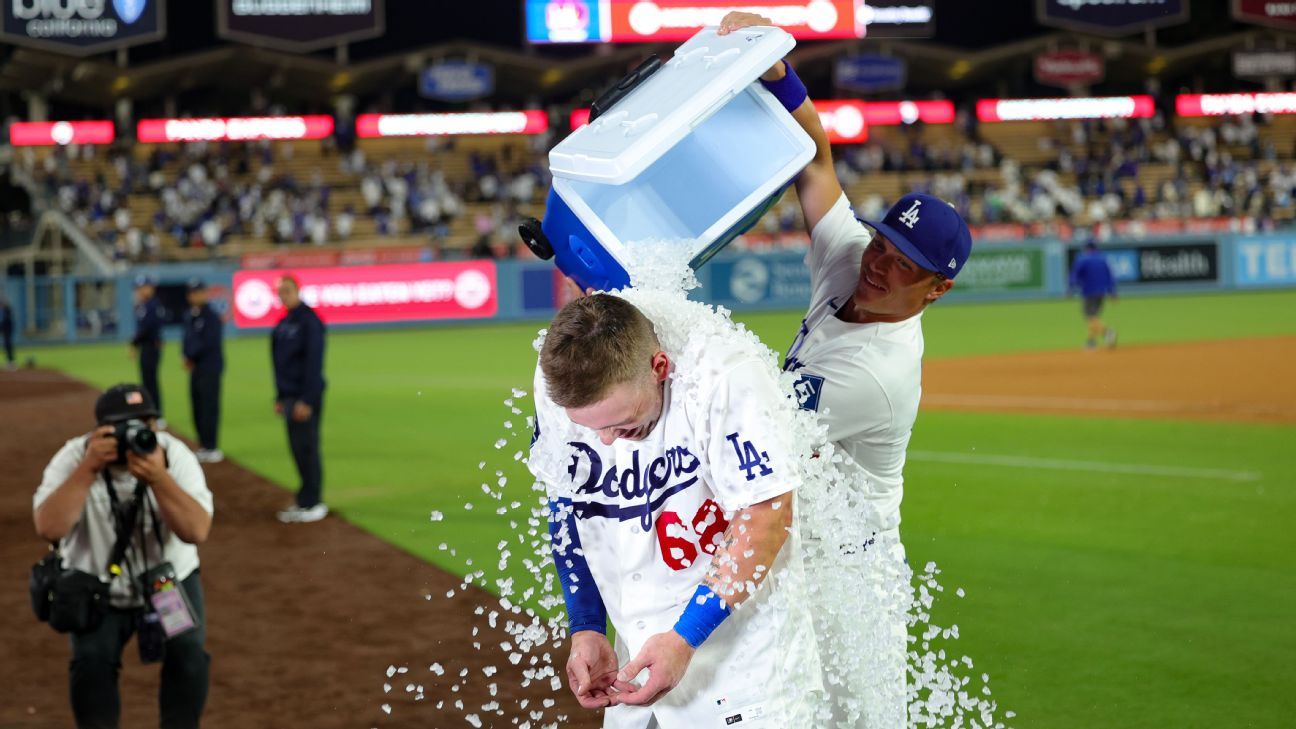
The Dodgers reached 60 wins on July 7 when Dalton Rushing singled home the go-ahead run in the 11th inning against Colorado, capping their first extra-innings contest of the season. A 60-32 record at this juncture—with 70 games remaining—puts Los Angeles on pace for 106-107 wins, a number that historically triggers organizational complacency at the deadline. That's the hidden tension in their front office right now.
Winning 60 games before the calendar hits mid-July is an elite accomplishment. For context, only a handful of teams in the last two decades have reached that mark this early; the 2017 Astros and 2019 Dodgers are the recent benchmarks. But here's what general managers actually care about: a team winning at this rate has already exhausted most of its edge. The question shifts from "How do we get to 95 wins?" to "Can we sustain this?" That's not a philosophical debate—it's a payroll constraint. Teams that win 106 games don't need a second ace at the deadline; they need depth and insurance. The Dodgers' leeway to add star power just evaporated.
Moreover, their path to 60 has been anchored by role-player performance and timely hitting rather than star-power dominance. Rushing—a reserve infielder—delivered the 60th-win hit. Freeman, Betts, and Hernández carried the offensive load, but none of them moved a needle on deadline pricing. The pitching has been steady, not transcendent. Clayton Kershaw-level separation from the pack doesn't exist in this roster yet, which means their staying power depends on staying healthy and avoiding fatigue-driven collapse in September. A second-half addition would likely be a safety valve, not a championship-maker.
For prop bettors, the Dodgers' 60-win arrival signals a shift in how to price their games moving forward. Early in the season, their talent advantage justified consistent favorites' positions and lower team totals for opponents. At 60-32, that gap tightens. The market will start pricing in regression and fatigue, even though the Dodgers' structure (balanced pitching, multiple offensive threats) resists it. This is where unders on Dodgers totals begin to hold value—not because the team is declining, but because the market hasn't yet repriced away the "elite-team" halo. By late July, those edges vanish. If you're targeting Dodgers-related props, do it now while the speed-of-play advantage from their 60-win cushion still moves the needle.