Astros face must-win math against Kansas City—but Houston's offense shows cracks before the stretch run
By Ty Whitney ·
Houston enters a critical series off a sweep with a sub-3.8 runs-per-game average since mid-August; the return of Carlos Correa won't solve the immediate run-production problem.
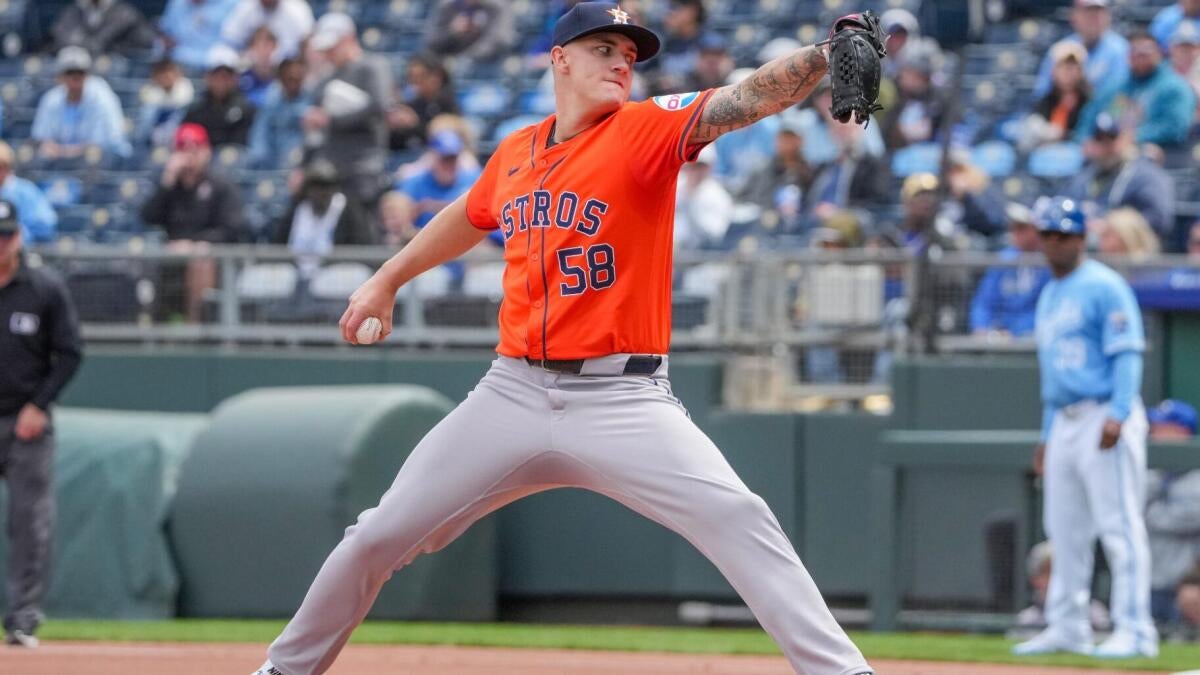
The Astros have no margin for error in the AL West race, and Tuesday's matchup against Kansas City—a franchise bound for its 10th playoff miss since 2014—carries the weight of a must-win despite Houston's talent advantage. Houston enters this series fresh off a three-game sweep at Tampa Bay and sits precariously close to falling below .500 for the first time since August 26. With Hunter Brown taking the mound, a loss doesn't just cost a win in the standings; it compounds the perception of failure when an ace fails to dominate a struggling lineup. The Royals are headed nowhere—management is already weighing a managerial change—but playoff math doesn't care about opponent pedigree.
Houston's depth issues are real, not theoretical. The offense has averaged 3.7 runs per game since August 15, a figure that underscores an organization leaning too heavily on Yordan Alvarez and lacking secondary punch when first-pitch fastballs aren't there. Jose Altuve's defensive implosion at short (-16 defensive runs saved, worst at position) has forced a chess move: the team is weighing a Correa return at second base following May 11 ankle surgery, a position the former All-Star has never played. That surgery was meant to sideline him for the season, but Houston's brass is engineering a late-inning rescue. Correa's return is imminent but not Tuesday; his absence tonight means the Astros will deploy the same lineup that managed only 14 runs across three games in Tampa.
Kansas City counters with Michael Wacha, a 9-3 right-hander operating at a 3.25 ERA with four straight quality starts. Wacha hasn't lost since July 31 and owns a team-friendly contract through 2028—the kind of innings-eater smaller-market clubs protect with their lives. Away from home, he's regressed to 3-5 with a 3.46 ERA, and this marks his first 2026 look at Houston. The SportsLine model projects him at 6.5 innings, 5.0 strikeouts, and just 2.3 earned runs allowed, suggesting the Astros' muted output will likely hold on Tuesday.
From a prop perspective, the Astros' shallow offense creates an immediate angle on team total unders. Houston is favored at the moneyline (-295) but faces run-scoring constraints that the market hasn't fully priced into totals once adjusted for a pitcher matchup favoring Houston's starter Brown over Wacha. Brown's 3.52 ERA comes with a mediocre recent outing in Philadelphia, but his status as Houston's ace—and Wacha's demonstrated ability to suppress runs on the road—points toward a tight, low-scoring affair. The under is the structural play here; Houston wins more on pitching strength than offensive output, and Kansas City isn't generating enough leverage to force extra runs. Any team total under 4.5 carries edge, especially if Houston opened at 4.5 or higher before the sweep narrative became public.
The Correa return timeline also matters. If Houston's brass confirms a near-term activation—within the next week—sportsbooks will begin forward-pricing the lineup's talent. But until Correa actually steps on the field, the Astros are operating with the same run-production profile that got swept in Tampa Bay. That's your short-term inefficiency. Fade any assumption of offensive rebound until the shortstop is actually available.