MLB · injury
Bubic's Elbow Soreness Forces Kansas City Into Rotation Shuffle at Worst Possible Time
A walk-year injury to the Royals' rotation depth exposes their pitching vulnerability and creates immediate volatility in team total positioning.
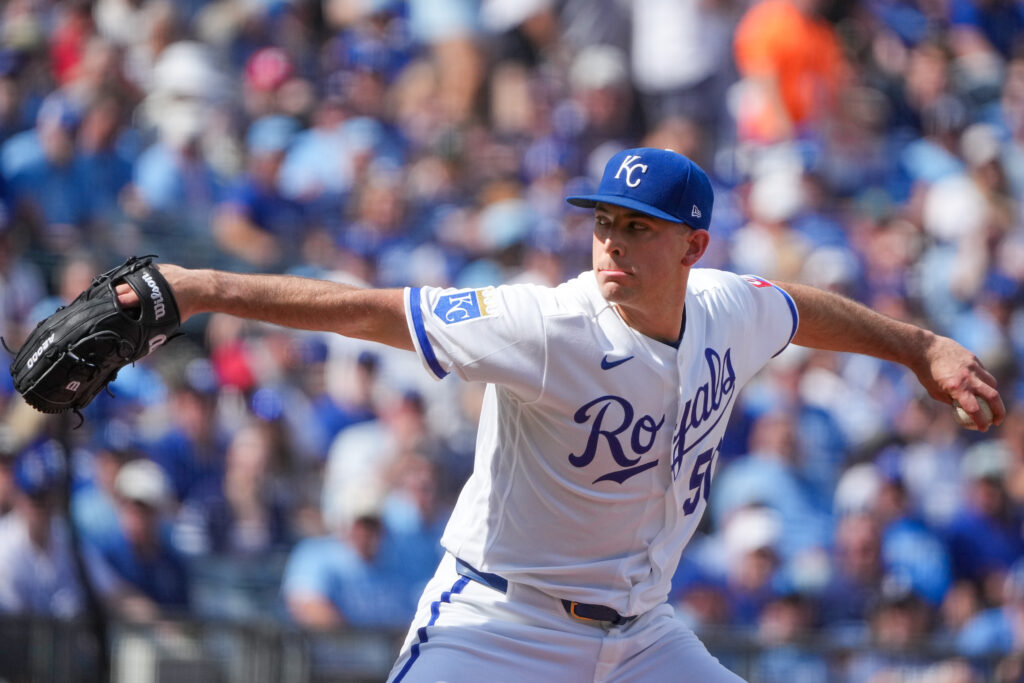
The Kansas City Royals placed left-hander Kris Bubic on the 15-day injured list due to left elbow soreness, with right-hander Eli Morgan recalled to fill the roster spot. For Bubic, the timing is brutal—he's in a contract year where durability directly impacts his market value and earning potential. For Kansas City, it's another complication in an already stretched rotation.
Bubic was a second-round pick in 2017 and has shuttled between promise and injury throughout his tenure in Kansas City. He underwent Tommy John surgery a few years back, a procedure that typically carries a multi-year recovery arc even when deemed successful. Elbow soreness in the immediate postoperative window is a signal worth monitoring; it suggests either residual inflammation or early structural stress. The distinction between soreness and tightness matters—teams and physicians communicate differently depending on severity, and those word choices often telegraph confidence (or lack thereof) about a player's immediate availability.
Morgan's recall represents the organization's contingency plan, but it also reveals the depth problem. Morgan has carved out a role as a reliable mid-rotation arm and bullpen swing option, but he's not a front-line starter. If Bubic misses more than 15 days—a realistic possibility given the elbow involvement and his surgical history—the Royals rotation will lack the stability it needs to sustain winning baseball into the summer. Kansas City's bullpen has carried load already; any additional strain on starting depth compounds that pressure.
For the betting market, Bubic's absence shortens Kansas City's rotation talent and forces earlier bullpen usage in games where they'd normally stretch their starter deeper into the game. This directly impacts team totals: the Royals' offensive output becomes more dependent on early-inning scoring because they can't rely on a pitcher eating six or seven quality innings. Expect Kansas City team totals to compress in the short term—not because the offense changed, but because game scripts will favor opposing teams staying close longer, allowing late-inning relief arms (often less dominant than starters) to accumulate damage. Morgan's recall bump in leverage will mask some of this; Morgan has performed well in rotation spots, but he's a different pitcher than Bubic. The market hasn't fully repriced this rotation fragility yet.
The betting angle isn't complicated: fade Royals overs on team totals over the next 7-10 days, particularly in games where they're already facing above-average starting pitching. The mechanism is simple—thinner rotation depth increases bullpen usage and shortens Kansas City's ability to build leads through mid-innings. This is a persistent edge that survives market adjustment because it traces to structural roster weakness, not a single outlier game.
MLB Intelligence — Baseball intelligence beyond the box score. Open MLB Intelligence →