Royals' Deadline Pivot: Rentals Out, Core Locked In
By PropBetEdge Editorial Team ·
Kansas City is selling hard on expiring contracts but signaling long-term commitment to its controlled core—a strategic split that reshapes the trade market's inventory.
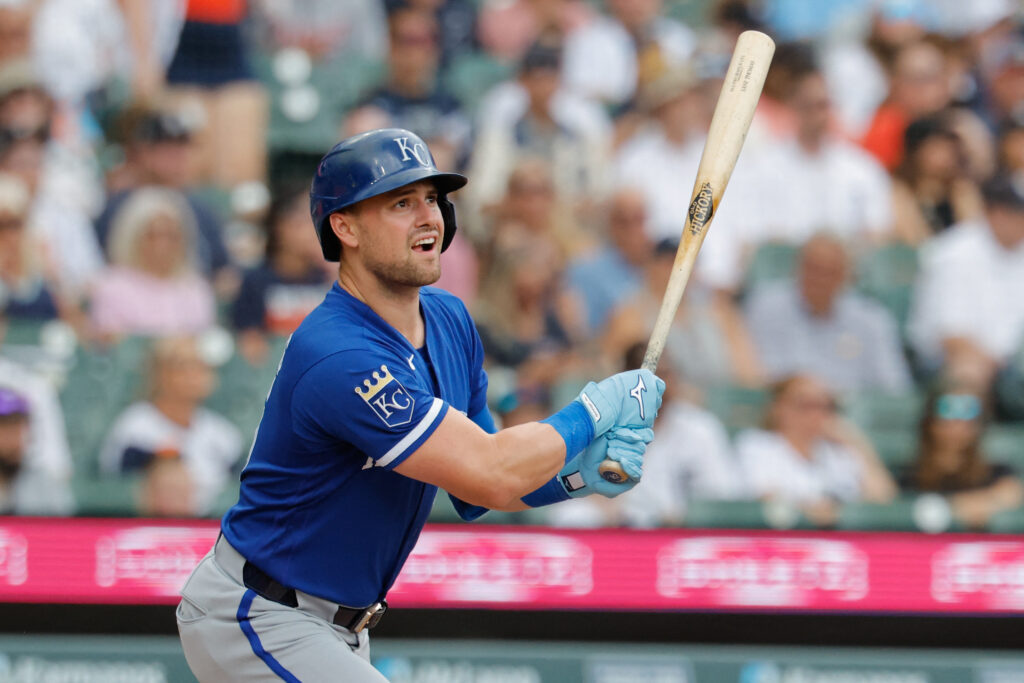
The Royals are sellers at the deadline, but with a deliberate boundary: they're moving rental players on expiring deals while keeping their cost-controlled roster intact. Per MLB.com, Kansas City's front office has made clear to other clubs that next season contention is the plan, and they're not interested in parting with players locked up beyond 2026. That messaging matters. It tells the market exactly what's available and what isn't, which compresses the universe of targets and changes the leverage calculus for other contenders scrambling for deadline help.
Lane Thomas exemplifies the profile Kansas City is willing to move. The outfielder carries a modest salary, plays solid defense, and produces league-average offense—the textbook fourth or fifth outfielder rental that absorbs playing time without requiring a prospect haul. For a team like the Yankees, still assembling around core infield and catching upgrades, Thomas slots into a secondary role without forcing difficult roster choices. He's not a star acquisition. He's insurance with positional flexibility, exactly the kind of player that teams often overlook because he doesn't move the public needle.
What's strategically revealing is what Kansas City isn't shopping: Kris Bubic, John Schreiber, and any other assets with multi-year control. That line in the sand tells us the organization genuinely believes in a 2027 window. It's a statement about organizational belief that contradicts the surface-level seller narrative. They're not in firesale mode. They're tightening payroll in the short term while defending their foundation—a posture that should influence how bettors think about their internal metrics and decision-making quality.
For prop bettors, the real angle sits in team totals and run production for Kansas City's remaining games. The Royals have effectively signaled they're punting on win-total optimization this August. Fewer top-tier rental acquisitions coming in means less offensive depth, less bullpen reliability in leverage spots. The market will adjust team totals downward as Kansas City unloads, but the adjustment may overshoot—casual bettors anchor to "sellers trade away talent," missing the fact that mid-tier rentals like Thomas don't move the offensive needle enough to crater a team's daily run output. Watch for Royals unders to briefly spike in price (overcorrection as news breaks), then stabilize at closer to fair value within 48 hours. The durable fade here is aggressive overs on Kansas City team total in games after the trade deadline closes, when the market has fully priced in a phantom decline that never materializes.
The organizational posture—keeping controlled assets, moving rentals only—is itself a data point. It means the Royals believe their 2026 finish matters less than their 2027 roster. That conviction often reflects front-office confidence in internal talent development or recent scouting wins. Teams in flux fire-sale everything. Teams with a plan make these surgical cuts. Watch how they trade, not just what they trade.