Pasquantino Returns From Hamate Break Ahead of All-Star Window—But Early-Season Damage Already Done
By PropBetEdge Editorial Team ·
Kansas City's first baseman beat a six-week projection to rejoin the lineup before the break, yet his .224 average and weak run production frame a second-half comeback narrative rather than a midseason spark.
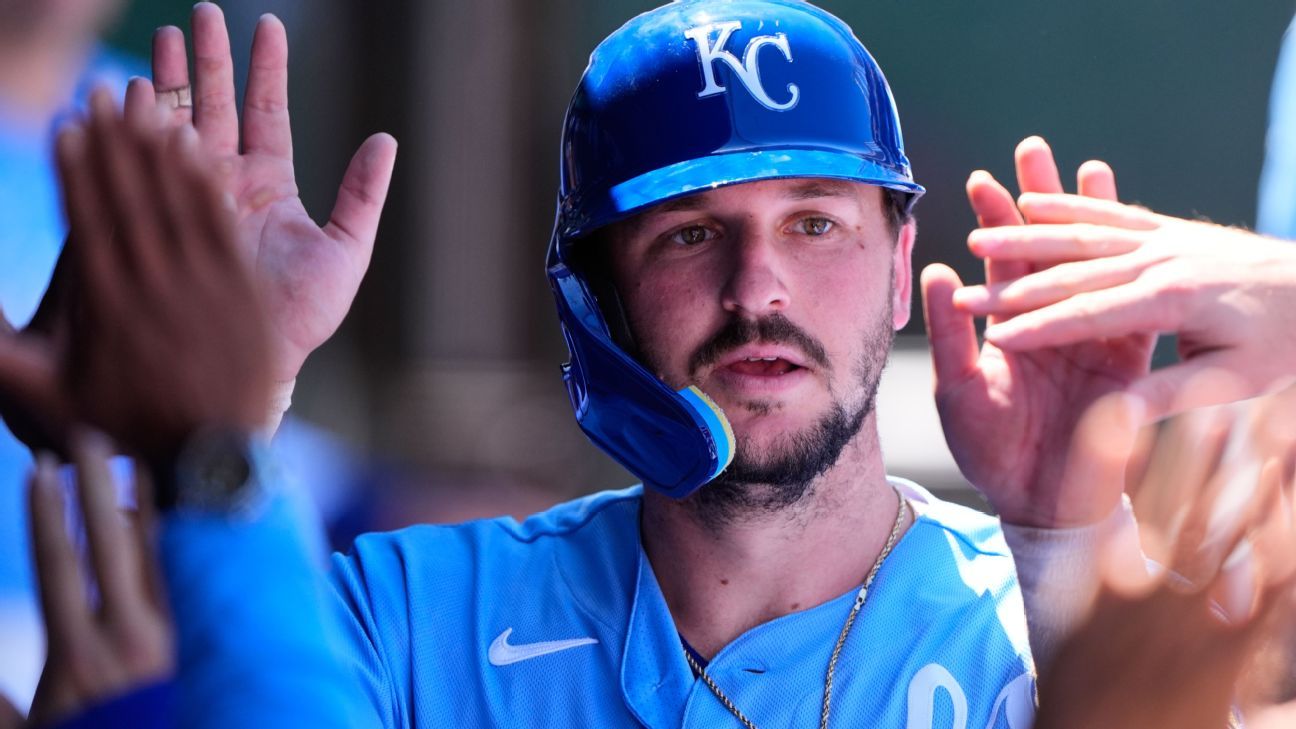
Vinnie Pasquantino activated from the injured list Friday, clearing a hamate fracture that sidelined him for just over three weeks—a notably accelerated timeline from the original six-week recovery window Kansas City had braced for when he suffered the injury on June 13. The Royals held him out of their series opener against Baltimore and brought him back on a measured pitch-hit availability basis, a standard precaution for players ramping up from bone injuries to the hand. That discipline matters, but it also underscores the gap between medical clearance and immediate offensive utility.
Pasquantino's numbers heading into the break tell the real story. Through 80 games, he's hitting .224 with six home runs and 32 RBIs—a stark departure from last year's 32-homer, 113-RBI campaign. The injury may have cost him three weeks, but the underlying offensive regression predates the wrist trouble. He was already struggling when he caught the pitch on June 13, which means his path back isn't simply about recovering lost at-bats; it's about reversing a mechanical or approach issue that existed before the hamate ever became a factor. His rehabilitation numbers—4-for-11 with three walks across three Triple-A games—offer modest encouragement, but a small sample against minor-league arms provides little predictive clarity on how he'll fare against major-league velocity and sequencing.
For the Royals' second-half equation, Pasquantino's return does strengthen their lineup, but only if he can actually hit. The organization has spent considerable capital keeping him available for the stretch run rather than letting him miss the full six weeks. That investment suggests confidence in his bat, but confidence and execution are different currencies. The team recalled right-hander Eli Morgan and optioned outfielder Kameron Misner and pitcher Jose Cuas in the corresponding moves—routine roster churning that signals the focus is on getting Pasquantino back into rhythm rather than overhauling the supporting cast.
From a betting lens, Pasquantino's line props carry elevated variance for the next two to three weeks. Books will likely price him as if he's returning at full strength, anchoring his RBI and hits lines to his career averages or recent season pace. But a hitter working back from a wrist fracture—even one who feels comfortable—typically shows a two-to-four-week ramp-up period before hand-speed and bat control fully normalize. His strikeout rate may tick up slightly as he adjusts to major-league fastballs after minor-league arms, and his sweet-spot contact rate often lags during early returns from soft-tissue or bone injuries to the upper body. The prop angle is not to fade him outright, but to apply caution to overs on his hits, RBIs, and runs props for games through late July, and to monitor his strikeout line if it drifts below his season average—a sign the market hasn't priced in the adjustment period.
Kansas City's All-Star break timing also matters. With the break hitting mid-July and Pasquantino back in action for only a handful of games before the pause, he'll have a hard reset to work with in August. That's both a gift and a warning: bettors pricing him for immediate production are gambling that early-return variance won't bite, while those waiting until post-break action has clarity are playing the percentages. The hamate heal is real, his commitment to the grind is evident, but .224 hitters don't turn into offensive anchors overnight—especially when they're adjusting to pain thresholds and hand-eye synchronization after bone trauma.