Royals Gamble on Pearson's Durability; Relief Depth Play Carries Risk
By PropBetEdge Editorial Team ·
Kansas City swaps a lottery-ticket prospect for a talented arm with a troubling injury history, betting that low-leverage innings can unlock late-season value.
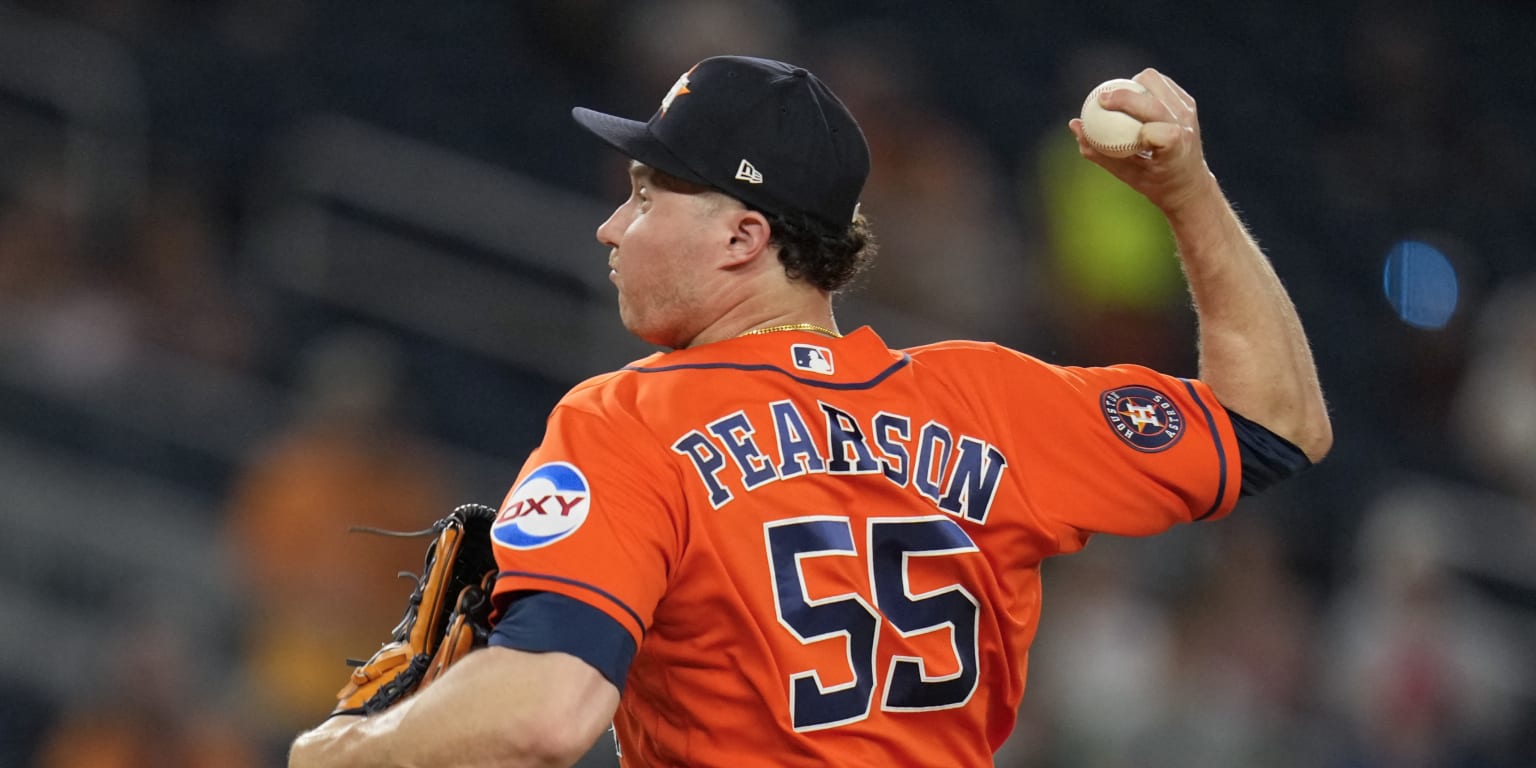
The Royals acquired Nate Pearson from Houston on Wednesday, sending minor league pitcher Max Martin the other direction in a depth move that signals Kansas City's mid-summer calculation: Pearson's raw stuff outweighs the medical red flags. The 29-year-old right-hander has spent much of 2026 on the injured list, but since his May 20 return he's compiled 16 relief appearances for the Astros with a 3.60 ERA across 20 innings. That surface line masks the real story—Pearson was a first-round pick in 2017 precisely because he can touch 99 mph with a power slider, yet he's managed only parts of six major league seasons due to recurring shoulder and elbow issues.
The acquisition cost reveals how little Houston valued his future prospects. Max Martin, the prospect Kansas City surrendered, was a 10th-round pick from the 2025 draft currently pitching at High-A, posting a 2.01 ERA with 40-plus innings this season. For Houston, trading Pearson at his absolute lowest point—post-DFA, coming off injury—and receiving only organizational depth in return suggests the Astros had already written off a reunion. The Royals are betting they can manage his workload better, deploying him in middle-relief situations rather than high-leverage spots where durability concerns become catastrophic.
Pearson's velocity and strikeout stuff remain elite when healthy. Over his limited 2026 window, he's struck out 8.4 batters per nine innings, a rate that would rank top-15 among AL relievers if sustained. But the injury timeline is the real prop consideration. He was on the IL for the majority of the season before May; teams don't rush arms back from soft-tissue issues unless damage control is the only option. His next 4-6 weeks of availability are genuinely uncertain—the Royals may get a rental of low-leverage innings, or they may be managing another setback.
For prop purposes, the angle is narrow but real: if Pearson stays healthy through August, his strikeout rate in relief situations becomes a tournament-level play. The market has no data on his Kansas City deployment yet, and the Royals' stated intention to use him in non-save situations should suppress his strikeout prop lines relative to his true stuff. Any K prop under 5.5 against a weak-hitting lineup in his first week represents edge, specifically because the book hasn't yet incorporated that he'll no longer be pitching in the Astros' high-leverage rotation. That advantage evaporates once the market recognizes his new role as lower-leverage, lower-value innings. The durability tax—the real price of admission—is already baked into the acquisition itself.