Messick's No-Hit Mastery Exposes Marlins' Vulnerability Before All-Star Break
By PropBetEdge Editorial Team ·
A rookie pitcher's command clinic against baseball's hottest lineup raises questions about how much of Miami's 26-9 June-July run was sustainable.
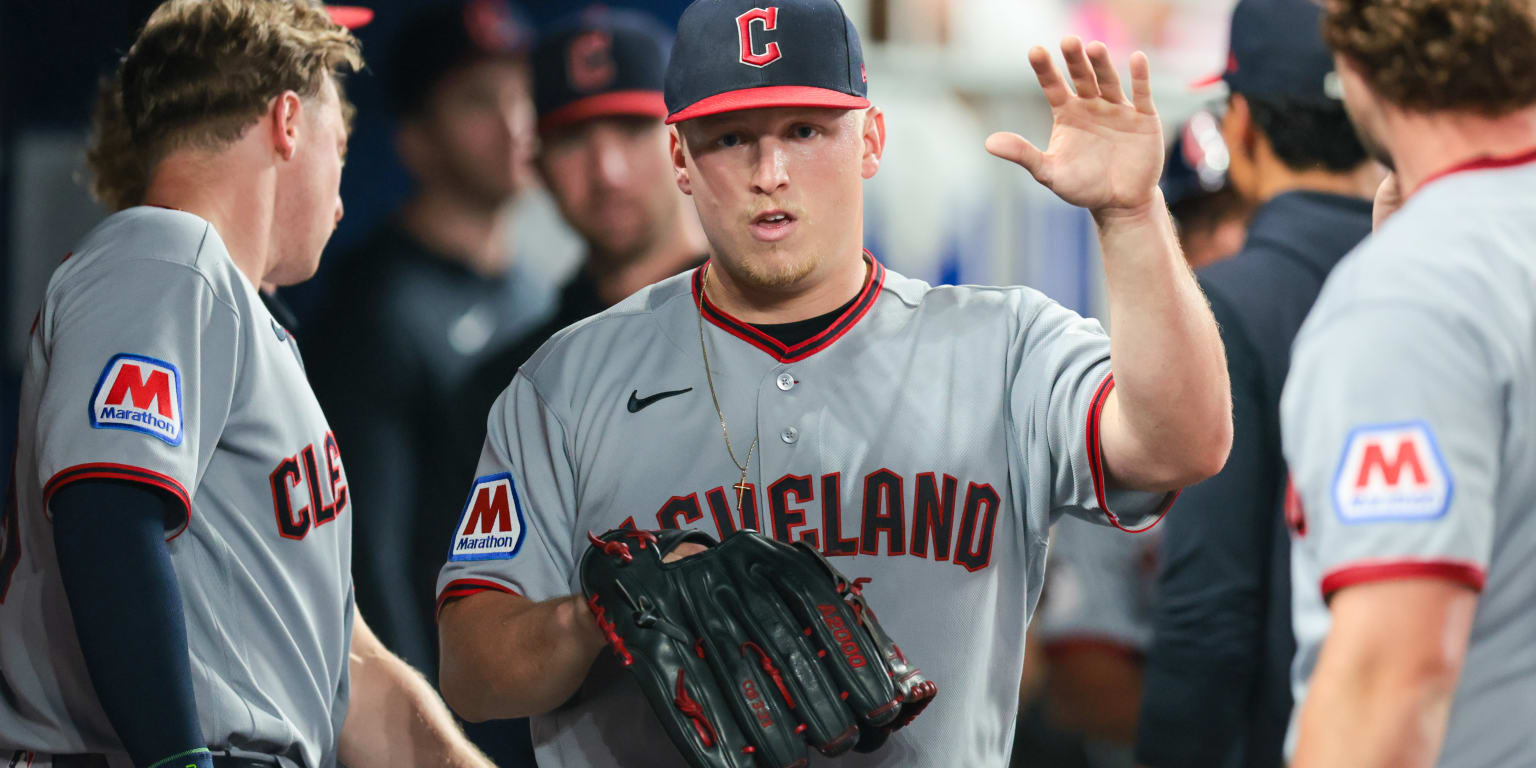
Parker Messick held the Marlins without a hit through 5⅓ innings Friday night as Cleveland won 3-2 at loanDepot park, snapping a four-game losing streak in the Guardians' final game before the All-Star break. Messick scattered four walks and one strikeout across six innings of work, allowing one run on one hit—a solo homer by Heriberto Hernández in the sixth. It was a masterclass in pitch sequencing against a Marlins team riding a six-game winning streak and carrying a 26-9 record since June 1, the best mark in baseball over that span.
What made Messick's performance notable wasn't dominant strikeout stuff—he recorded just one—but rather his ability to manufacture weak contact and manipulate the zone without pure stuff. Manager Stephen Vogt's postgame observation crystallized the distinction: Messick didn't need his best arsenal to neutralize Miami's lineup. He worked quickly, got ahead in counts, and forced the Marlins to chase or accept walks. Four of his six innings ended with three outs or fewer pitches; the Marlins' primary baserunning threat came from free passes, not hits. DeLauter's two-run homer in the fourth off Sandy Alcantara—a 430-foot bomb—gave Cleveland all the margin it needed. Alcantara, Miami's ace, cruised through three scoreless frames before ceding DeLauter's blast and a solo shot to Leo Jiménez later in the game.
The Marlins' offensive narrative deserves scrutiny here. A 26-9 record since June 1 is elite, but that sample includes games against weaker pitching. Messick is a rookie without significant track record; the fact that Miami's cleanup hitters couldn't manufacture damage against mostly average stuff and elevated walk rates suggests their recent surge may have benefited from favorable matchups and small-sample variance. Alcantara, their ace, managed just one run allowed across seven innings, but the Marlins scored only twice against a Cleveland bullpen that leans on depth over dominance. That differential—excellence from their best pitcher matched with offensive impotence from their best hitters—is a warning flag for sustaining a 26-9 pace into August.
For bettors, this game offers two competing prop signals heading into the All-Star break. First: the Marlins' elevated team-total and run-line metrics deserve caution over the next two weeks. Miami's lineup, despite its June-July dominance, just got held hitless for most of a game by a pitcher it should have picked apart. Second, and more subtle: Messick's line (6 IP, 1 H, 4 BB, 1 K) sits below his seasonal strikeout rate by a full standard deviation, yet he generated maximum value. This is a data point on Guardians starting pitching as a macro angle—Cleveland is getting quality outings from unexpected sources. If Messick continues to pitch in similar leverage situations before the break, his strikeout props are vulnerable to positive regression (fewer Ks than expected, but outs nonetheless), which means over-relying on Cleveland rotation K props as a fade is premature.
The Marlins' next three games before the break come against solid Cleveland pitching and likely won't offer the kind of struggling starter they've faced in stretches of their winning run. Miami's offense is real, but it is not unbeatable—and Friday proved that middle-rotation stuff, when deployed efficiently, can quiet it entirely.