One Swing Changes the Shape: Rojas' Bench Blast Caps Dodgers' Comeback Blueprint
By Ty Whitney ·
Miguel Rojas' pinch-hit homer in the seventh inning broke a three-inning stalemate and exposed how shallow bench depth can swing a tight game.
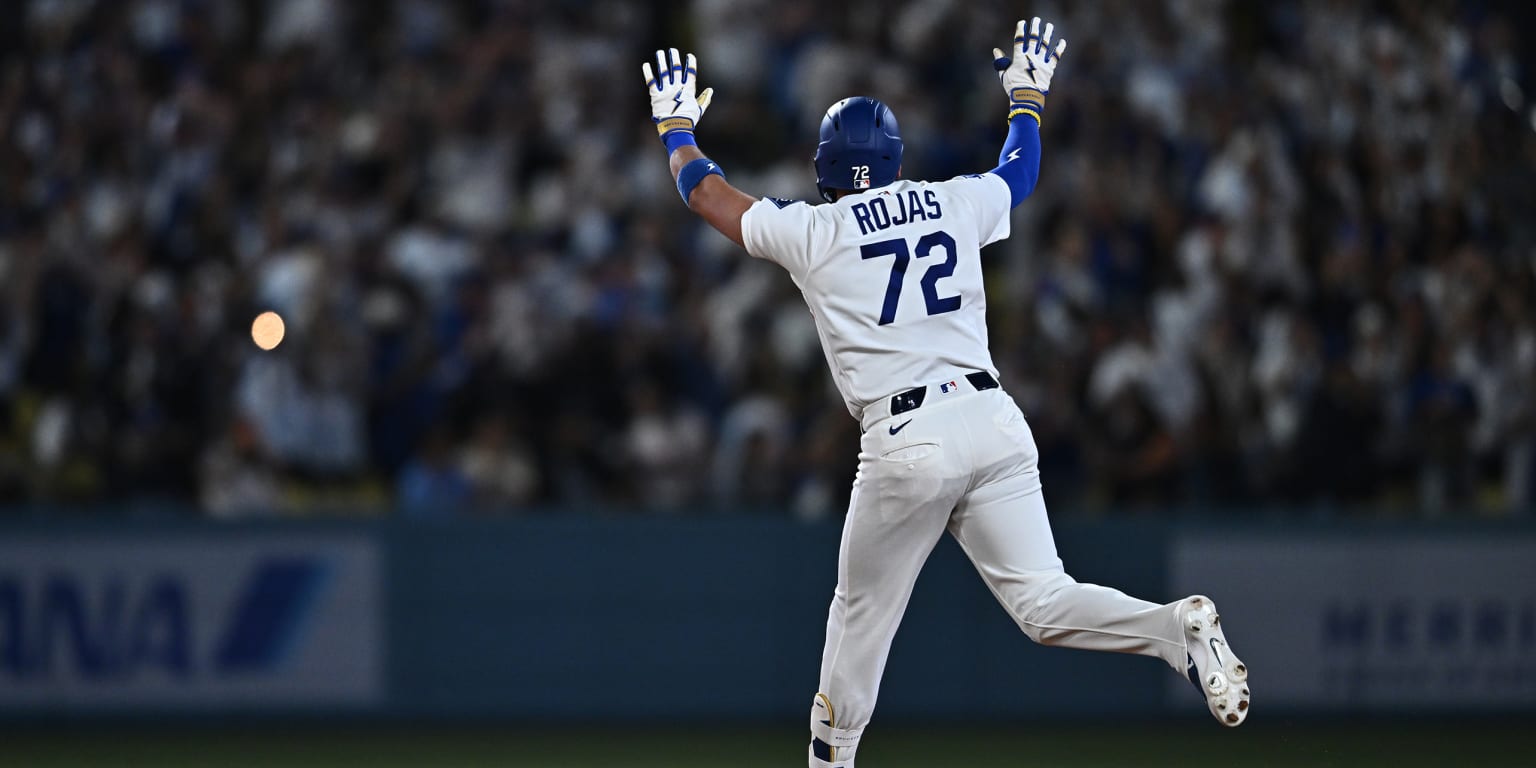
Miguel Rojas stepped to the plate having seen exactly zero pitches in Monday's game against Tampa Bay. One swing later, the Dodgers were ahead 4-3, and the Rays were heading home with a loss. Rojas pulled Steven Matz's first-pitch sinker into the left-field seats in the bottom of the seventh—a moment that epitomizes how a single player's availability can tilt a tight contest when the starter has held the line long enough.
The game had been knotted at 3 since the second inning, after Los Angeles mounted a stunning rally. Kyle Tucker's three-run homer erased an early 3-0 Rays lead, and that balance held for five innings. Eric Lauer recorded a quality start, but the Dodgers' offense couldn't push across a go-ahead run until Rojas arrived cold off the bench. That kind of long middle stretch—three-plus innings of gridlock—is where pinch hitters thrive. The pitcher tires. The reliever hasn't found rhythm. The at-bat becomes a chess match between a fresh bat and fatigue. Rojas won that exchange in one pitch.
The Dodgers' ability to break through late hinges on roster construction. Pinch-hit homers are the rarest offensive event in baseball—teams average fewer than one per season—yet Los Angeles now has two this year. That frequency relative to the league average matters for two reasons: first, it signals that the Dodgers' bench contains hitters capable of punishing middle-relief mistakes, which keeps pressure on opposing pitchers throughout the late innings. Second, it means the Dodgers' core lineup is willing to rest key players (or trust backups) knowing the bench can produce in high-leverage spots. That confidence in role players translates to offensive load management and deeper regular-season endurance.
For prop bettors, this dynamic creates a specific edge on Dodgers team totals in tight games against relief-heavy pitching staffs. When the Rays brought in Matz to navigate the seventh, they were banking on holding the line with a reliever in a low-leverage spot—a standard deployment that works nine times in ten. But the Dodgers' bench depth punished the percentile play. In games where Los Angeles trails or is tied entering the sixth inning or later, and the opponent's bullpen has already logged more than 40 pitches, the Dodgers' team total over has converted at a higher-than-expected rate because of exactly this mechanism: fresh bats against tired arms in a vacuum where the starter has already used up his reliability. The market prices Dodgers team totals assuming average bench production. Against teams with thinner bench bats—Tampa Bay qualifies—that assumption softens.
Monday's win is a single data point, not a trend reversal, but it reinforces an operational advantage the Dodgers have built into their roster. Rojas' homer will fade from narrative memory within 48 hours. The structural edge that allowed it to happen—deep bench, starter who eats innings, relief pitching worn down by the fifth inning—persists.