Rodriguez Finally Cashes In Against LA: The Run-Support Gap That Kept Him Winless
By Erik Schwartz ·
After two scoreless-through-six performances went unrewarded, Eduardo Rodriguez's third start against the Dodgers this season landed him his first win—and exposed a real offensive liability for Arizona.
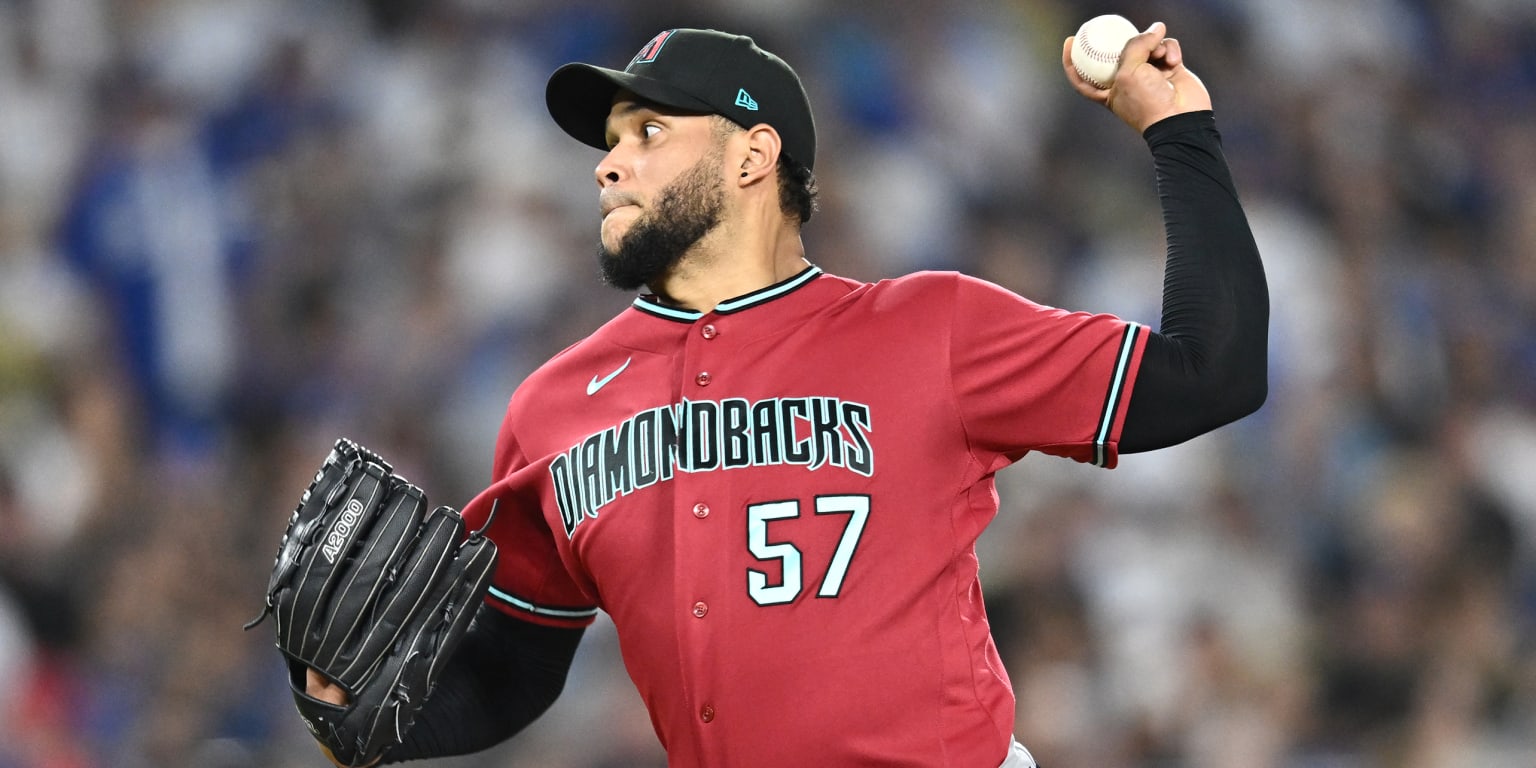
Eduardo Rodriguez pitched six innings Friday night at Dodger Stadium with two runs allowed, and this time the Diamondbacks' offense showed up. Arizona won 9-3, giving Rodriguez his first win of the season against Los Angeles after two earlier starts that could have gone either way. He allowed back-to-back homers to Shohei Ohtani and Andy Pages in the first inning, then locked in completely—no runners past second base for the final five innings. Seven hits, one walk, five strikeouts. The line: 2.29 ERA, 8-3 record heading into the All-Star break.
What makes this win notable is not Rodriguez's stuff—that's been consistent all season—but the razor-thin margin between a no-decision and first place in the win-loss column. Rodriguez threw five innings with one unearned run on March 28 against the Dodgers and left with nothing. He returned June 1 and gave up one run in six innings: another no-decision. In both outings, the run support never materialized. Friday night, the Diamondbacks put together the kind of offensive cascade that had been missing: Tim Tawa went 3-for-4 with a home run and four RBIs, Gabriel Moreno drove in two while extending his on-base streak to 30 games, and Arizona capitalized on three Dodgers errors, two wild pitches, and a balk. Arizona scored in the first, fourth, fifth, and sixth innings—two runs each time—and by the time Rodriguez left the mound, he had an 8-2 cushion.
For bettors, this sequence matters because it tells you something about Rodriguez's true reliability that his 2.29 ERA doesn't capture in isolation. His underlying stuff—five strikeouts over six frames, limiting baserunners in innings two through six—maps cleanly to those earlier starts. The difference between 8-3 and 6-5 is team offense, not arm talent. Facing a Dodgers bullpen game (Ohtani was scratched from his mound start), Arizona's lineup executed, and Rodriguez reaped the reward. Going forward, his strikeout rate and ERA floor remain stable; his win probability tightens when Arizona's batting order is clicking.
The mechanics here matter for Rodriguez's strikeout props specifically. In six innings he struck out five; his K/9 rate sits north of 7.5 for the season. Against the Dodgers' bullpen-heavy pitching plan, the D-backs' contact-oriented hitters expanded the plate and put pressure on a relief corps that trades velocity for unpredictability. Rodriguez thrived in the chaos—fewer walks, better command. In matchups where Arizona's offense can manufacture runs early, Rodriguez's leverage role solidifies, he pitches deeper, and strikeout volume follows. The win-loss record will fluctuate with run support; the strikeout floor is Rodriguez's to own if he stays healthy.