Cubs RISP Drought Masks Underlying Discipline—And That's a Prop Edge
By Ty Whitney ·
Chicago's runners-in-scoring-position slump is real, but their hard-contact rate and walk rate suggest the problem is variance, not mechanics—a setup ripe for reversal betting.
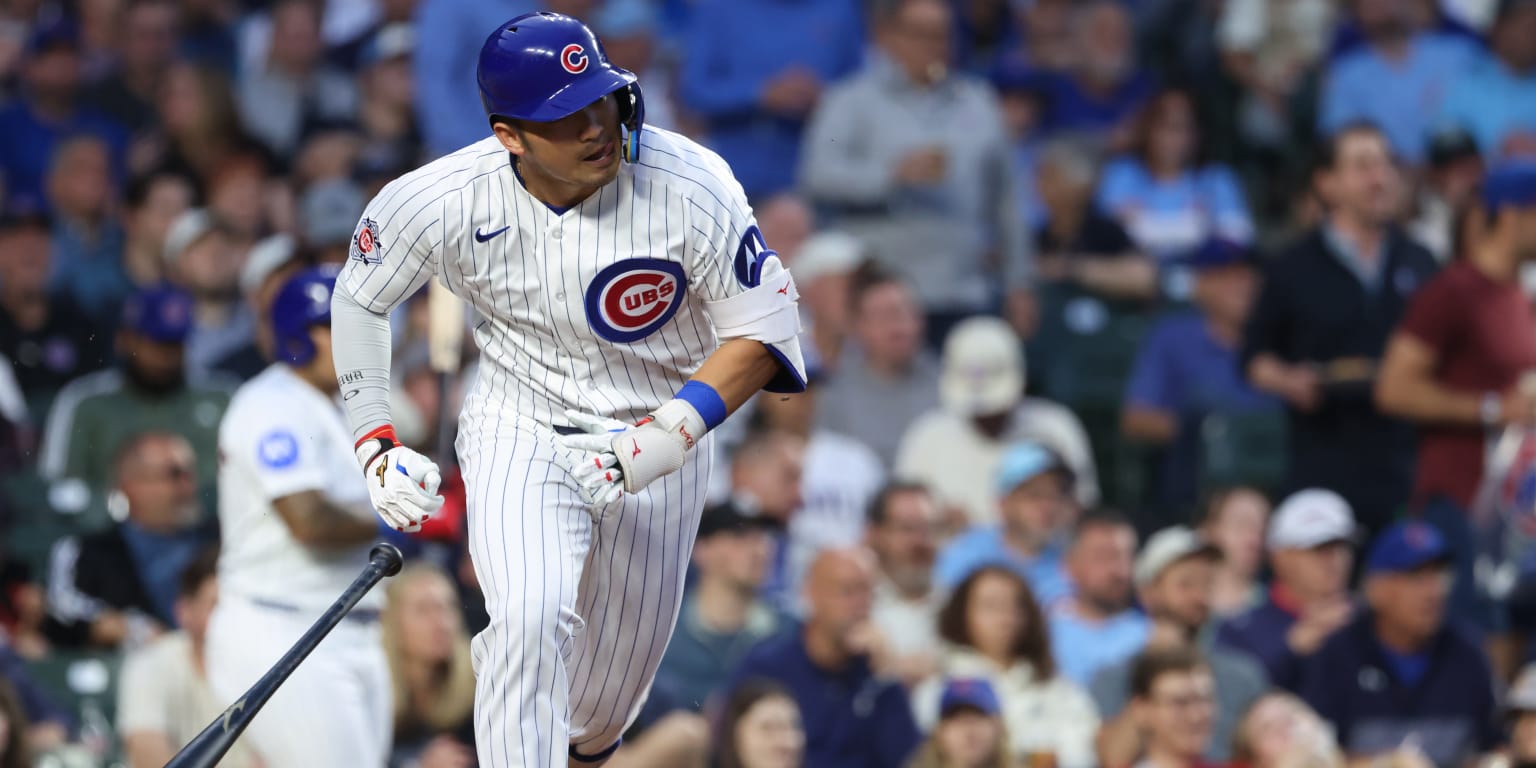
The Cubs have generated 579 plate appearances with runners in scoring position heading into late May, more than any team in baseball. Yet their bottom-line production in those spots has been volatile: a .242 average and 91 wRC+ in April, a robust .258 average and 114 wRC+ in the 21-4 April-to-May run, then a collapse to .146 average and 44 wRC+ over the most recent 10-game stretch. On the surface, this looks like a team that can't finish. The narrative is seductive. But it obscures what's actually happening in the box.
The Cubs' underlying offensive machinery in high-leverage situations has not broken. Their hard-hit rate with RISP has climbed in each sequential period: 29.3% to 31.7% to 35.6%. Their walk rate has remained stable around 12-14%. These are not the fingerprints of mechanical failure or diminished quality of approach. They are the fingerprints of a lineup that is making harder contact and drawing pitches at a consistent clip—and experiencing short-term variance in outcomes. Manager Craig Counsell framed it precisely: the Cubs are generating the opportunities; the results will follow. The '27 Yankees, he noted, endured 10-game stretches of RISP futility too.
What matters for betting is that this variance is finite and directional. When a lineup shows rising hard-contact rate (35.6% is elite territory) and stable plate discipline while experiencing a RISP output crash to 44 wRC+, the market tends to price that crash as persistence rather than correction. Books will shade Cubs team totals and run-production props downward based on the recent slump without fully accounting for the fact that the machinery generating those runs—quality of contact, selectivity—has improved, not deteriorated. The recent 10-game sample is genuinely small; the 25-game April stretch that produced 114 wRC+ is closer to predictive.
For prop bettors, the angle is straightforward: Cubs team totals and aggregate run props should offer value on the over in the near term. A lineup hitting the ball harder than it was three weeks ago, maintaining its walk discipline, and facing the law of large numbers with 579 RISP plate appearances already banked—that lineup will produce runs in clusters. The slump is real but discrete. The hard-contact inflation is the more durable signal. Fade the narrative; play the mechanics. Early lines in Cubs games over the next 7-10 days, before the recent results fully cycle out of recency weighting, represent the window before sharp money recognizes the gap between what the Cubs are doing and what they've produced recently.