Kelly's Ejection Masks a Deeper Problem: Pirates' Plate Discipline in Tight Moments
By Ty Whitney ·
Bryan Reynolds salvaged a bad at-bat with a two-out double after his manager's ejection over check-swing calls, but the real story is Pittsburgh's vulnerability to borderline pitches when the game hangs in the balance.
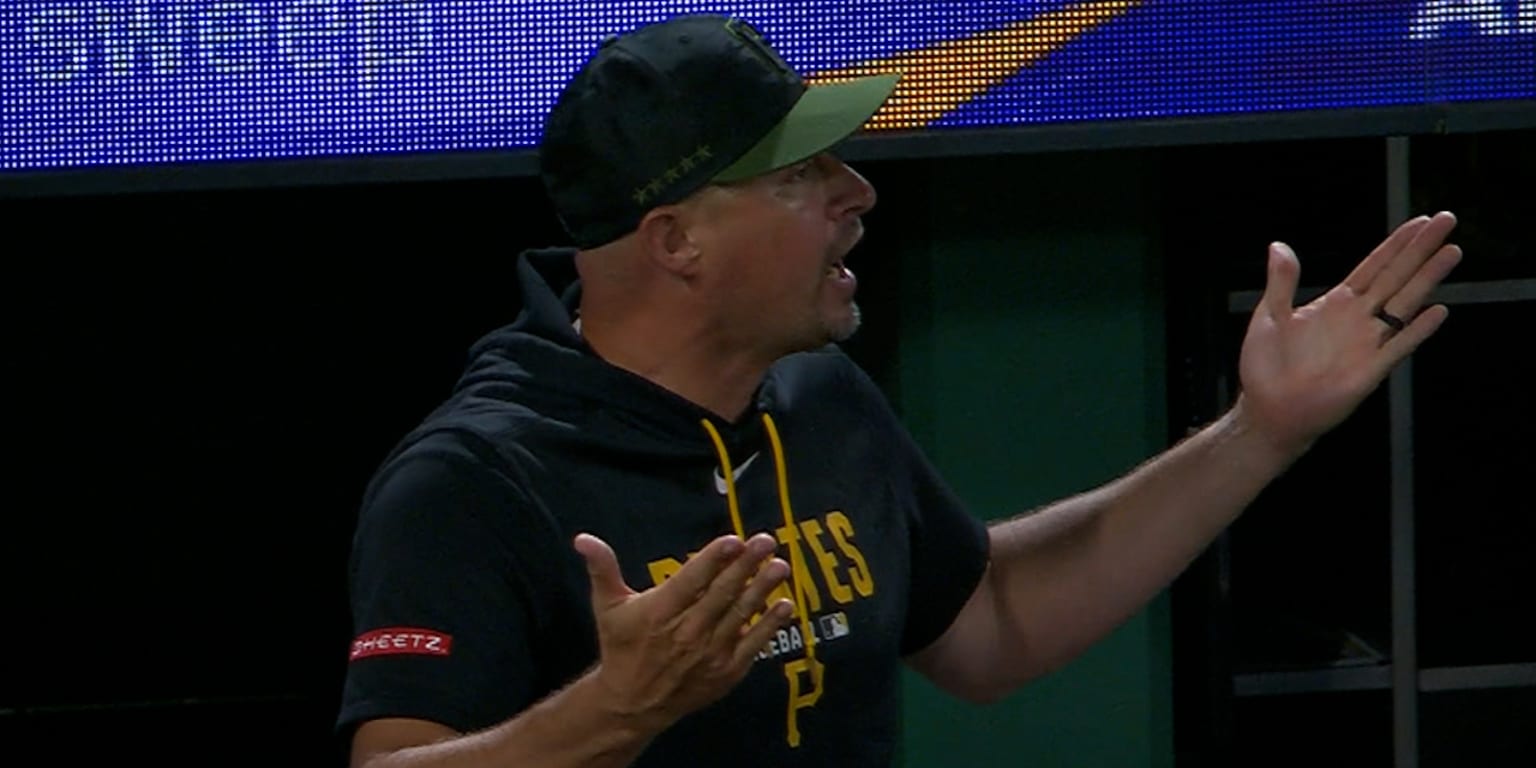
Don Kelly was tossed from Monday night's game at PNC Park in the eighth inning after arguing two consecutive check-swing strikes called against Bryan Reynolds—the second complaint loud enough that third-base umpire Ben May had seen enough. Reynolds was in the middle of a critical at-bat with the tying run on second, two outs, and the Pirates trailing 2-1. The narrative that will circulate is Kelly's theatrics: the ejection, the gum-throwing, the in-your-face argument. But that misses the actual damage. Reynolds was called for strikes on pitches he partially checked on, twice in the same sequence, with the game on the line.
This isn't an isolated incident of umpire judgment. Check-swing calls at the margins are inherently subjective—May has to read whether Reynolds broke his wrists or held back—and the zone expands when tension rises. But what matters for Pittsburgh's decision-making is that Reynolds managed to extend the at-bat and deliver a double to tie the game. The ejection of the manager, his fourth of the year, becomes a sideshow. What stays with a team, though, is the pattern: being put in bad counts by borderline calls, needing to battle back, and occasionally succeeding. That's emotionally exhausting baseball, and it handicaps discipline metrics over time.
Reynolds finished the at-bat 2-for-1 in the count after the two strikes, which is fortunate. But the Pirates' ability to advance runners in high-leverage spots depends on plate discipline holding up when umpires are making tight decisions. If Kelly's ejections—his fourth this season—signal a manager losing patience with the zone's inconsistency, that's one thing. If they signal that Pittsburgh hitters are consistently getting behind in counts because they're chasing or taking marginal pitches, that's a repeatable liability.
For prop purposes, Reynolds' subsequent double is noise. One at-bat, one game, one clutch hit. What's more durable is the Pirates' broader pattern in two-out, runners-in-scoring-position situations: how often do they work counts to 2-1 or better before swinging, and how often do they get there against zone creep in high-leverage innings. If this game is part of a trend where Pittsburgh hitters are falling behind 0-1 or 1-2 more often than baseline in tight moments—and then needing luck or skill to escape—then team total unders in Pittsburgh games warrant closer inspection. Reynolds tied it up tonight, but the team's ability to string together consistent offensive output in pressure spots is what drives season-long totals, not individual heroics.