Royals' Post-Break Momentum Masks a Deeper Rebuild Narrative
By Ty Whitney ·
Kansas City's consecutive wins over San Diego offer a temporary reprieve from a 40-59 season, but the real story is what management does before the August 3 trade deadline.
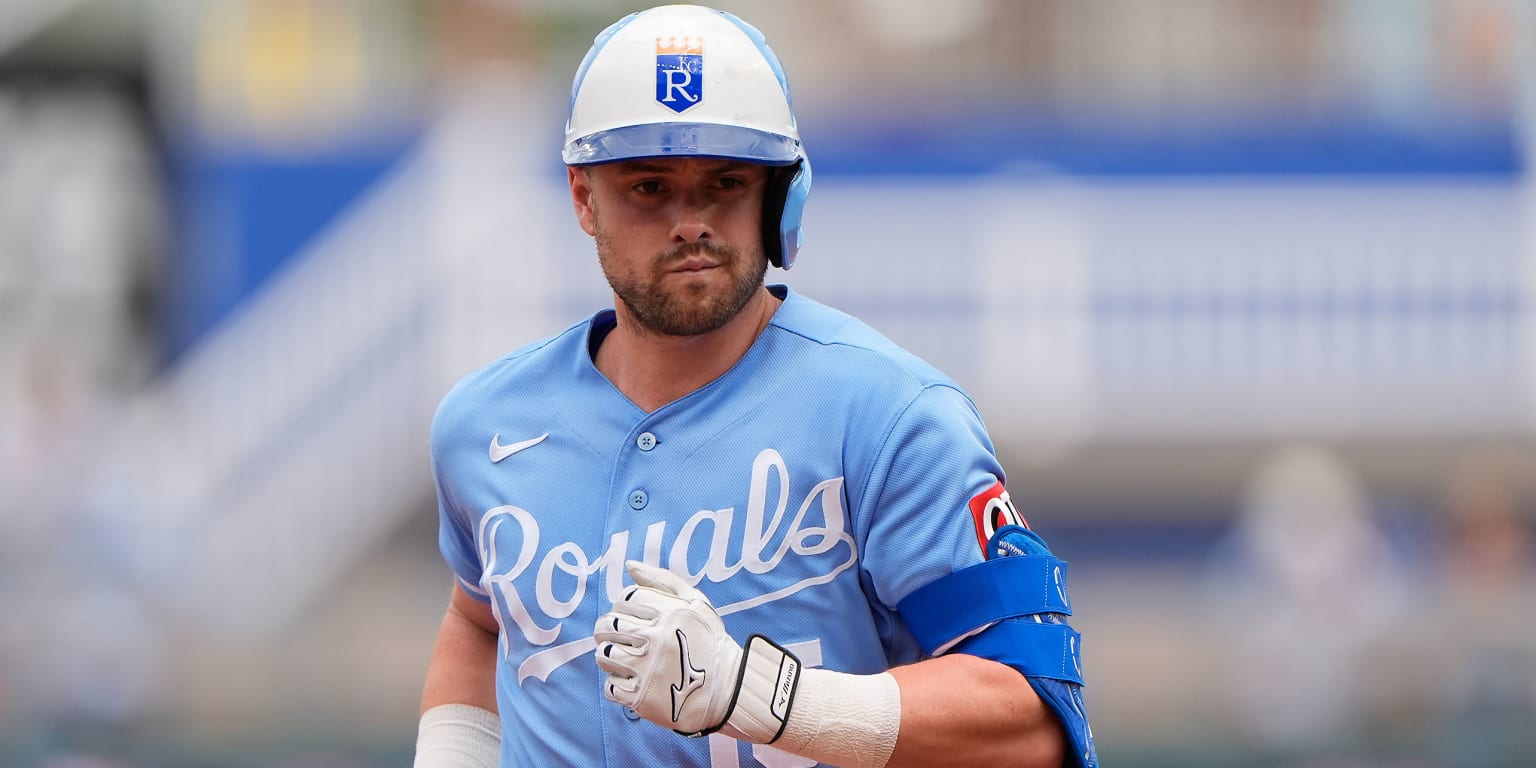
The Royals returned from the All-Star break with a walk-off victory Friday and extended their winning streak to two games with a 6-1 demolition of the Padres on Saturday, marking just their second series victory in their last seven attempts. For a franchise sitting at 40-59 with 63 games remaining, the performance provides a rare moment of organizational confidence—but context matters. These wins arrived against a Padres team that has underperformed its own expectations, and a two-game sample in late July tells us little about sustainable offensive or pitching trends. The Royals' front office will spend the next 16 days before the trade deadline determining whether this club is a developmental ground for future contention or a vendor of assets at market value.
Lane Thomas, positioned as one of Kansas City's primary trade chips, hit his second consecutive homer on Saturday—a two-run shot in the first inning that set the tone for the offensive onslaught. Salvador Perez added a 438-foot two-run blast in the sixth, extending his career home run total to 315, just two shy of George Brett's franchise record of 317. These offensive displays carry individual merit, but they also arrived in a game where Kansas City's designated hitter allowed Randy Dobnak to survive four walks and 96 pitches across just 4⅓ innings. Dobnak's outing underscores the wider issue: the Royals cannot consistently generate dominant starting pitching, and when they lean on the bullpen—Steven Cruz aside—results remain volatile. A two-game sample of competent baseball does not reverse a 17-game deficit in the AL Central or restore confidence in the organization's ability to compete in October.
For betting purposes, the spike in offensive aggression carries short-term validity but demands specificity about opponent context and personnel. The Royals' 6-1 margin of victory came against a Padres pitching staff that has struggled with command and consistency; Dobnak's pitch count of 96 through 4⅓ innings reflects San Diego's inability to work through early counts efficiently, not a sudden improvement in Kansas City's plate discipline. Moving forward, the Royals face a four-team schedule that includes stronger pitching. Their team total props have likely shifted upward on the strength of Saturday's display, but the market tends to overweight single-series performances, especially for teams below .500. If Kansas City faces top-tier starting pitching over the next week—quality command-oriented righties who can work ahead in the count—the offensive firepower on display against San Diego will regress toward seasonal norms. The bullpen volatility and weak starting-pitching profile remain the structural headwinds that define this franchise's ceiling.
Traders should approach Royals team totals with caution over the next four to six games. The bounce inherent in a two-game winning streak, combined with a club that has won only 40 games through mid-July, suggests the market may have repriced upward faster than underlying talent distribution supports. Specifically, unders on Kansas City team totals in the 4.0-4.5 range merit consideration against average-to-above-average starting pitching; the Royals' offensive efficiency improvements proved contextual, tied to a Padres bullpen that could not locate the strike zone. Once the schedule tightens and command-heavy starters take the mound, expect the team total line to face downward pressure within 48-72 hours. The narrative of a 'refreshed' post-break squad provides compelling marketing, but the underlying roster construction—weak starting pitching, middling bullpen, inconsistent contact rates—has not changed in four days.