Marlins Double Down on Hot Streak, Lock in Alcantara and Buy at Deadline
By PropBetEdge Editorial Team ·
Miami's deadline strategy signals confidence in sustainability, not panic—and the market is slow to price in what a reinforced rotation means for playoff odds.
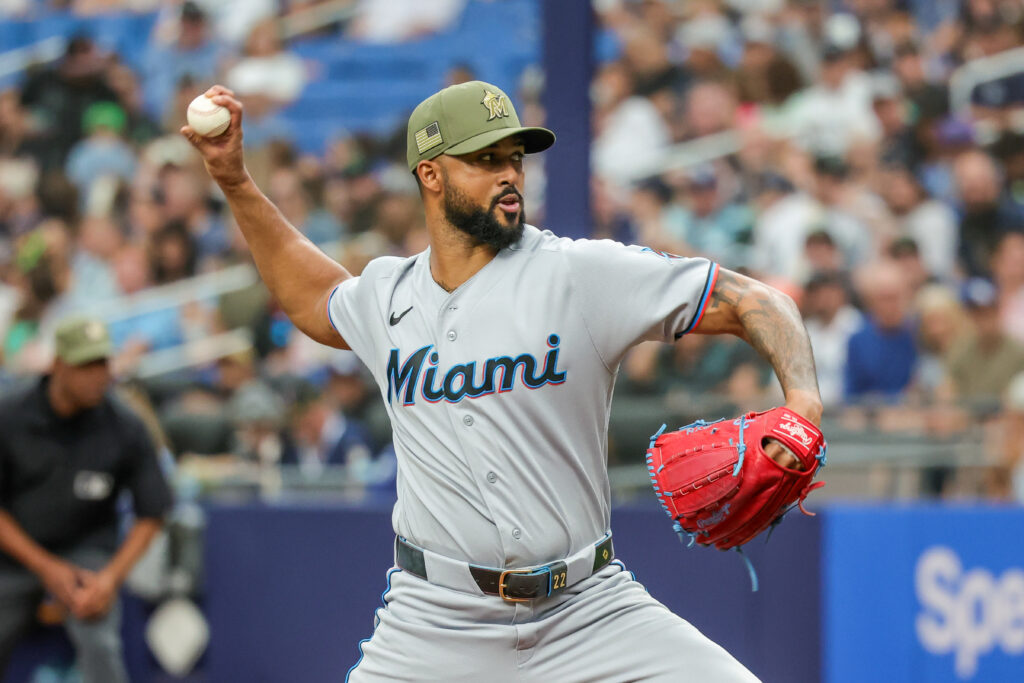
The Marlins have shifted into buyer mode ahead of the August 3 trade deadline, per reporting from The Athletic. The move is straightforward enough on its surface: a team riding the league's best recent run wants to add pieces rather than sell. But the real signal is in the commitment to keep Sandy Alcantara. In a market obsessed with deadline rentals and quick flips, Miami is doubling down on its foundation—a right-hander with a 3.18 ERA and 172 strikeouts in 161 innings, locked into the rotation for multiple years.
This is not a team grasping. Miami has built momentum through pitching depth and timely hitting, exactly the kind of production that doesn't require panic trades to sustain. The decision to add rather than subtract says the front office believes the current core can compete now and into September. That conviction matters. Teams that buy aggressively tend to have already priced their ceiling into the market; the Marlins are signaling they haven't hit it yet.
The specific areas of need—third base, the rotation, and bullpen reinforcement—are all legitimate. But here's where the betting lens sharpens: Alcantara's retention is the hinge. His stability in the rotation means the Marlins aren't chasing two-month rentals on the mound. Any additions to the bullpen or infield are supplements, not life support. That reduces variance. Teams that know their pitching foundation is solid can afford to buy strategically elsewhere.
For prop bettors, this changes the calculus on Marlins team totals and on-base metrics. Deadline acquisitions typically take 7-10 days to integrate into run production—there's adjustment friction. But Alcantara's presence means the pitching side holds steady through that window. If Miami adds a competent reliever or a patient bat at third, the upside in team totals late in games (fifth inning onward) increases without the downside volatility of a team in free fall. The mechanism isn't "they bought good players"—it's that Alcantara's retention buys time for other moves to work.
The market has already moved on the Marlins' odds to win the division and make the playoff bracket. What hasn't fully repriced is the reliability floor on their pitching staff. Alcantara stays, the rotation holds, and late-game team totals become more exploitable because the downside risk shrinks. Watch the line on Marlins team totals in games after the deadline passes. Early numbers will likely favor under on inflated totals (assuming the market prices in some addition risk). As the new roster integrates—and Alcantara continues as the anchor—overs on lower team totals should gain value.