Nola's Day-Game Edge and Abbott's May Hot Streak Set Up a Pitcher's Duel in Philadelphia
By Erik Schwartz ·
The Phillies and Reds both rank in the top six for home runs but bottom-half for scoring, and their Wednesday matinee matchup features two pitchers running unusually sharp May splits.
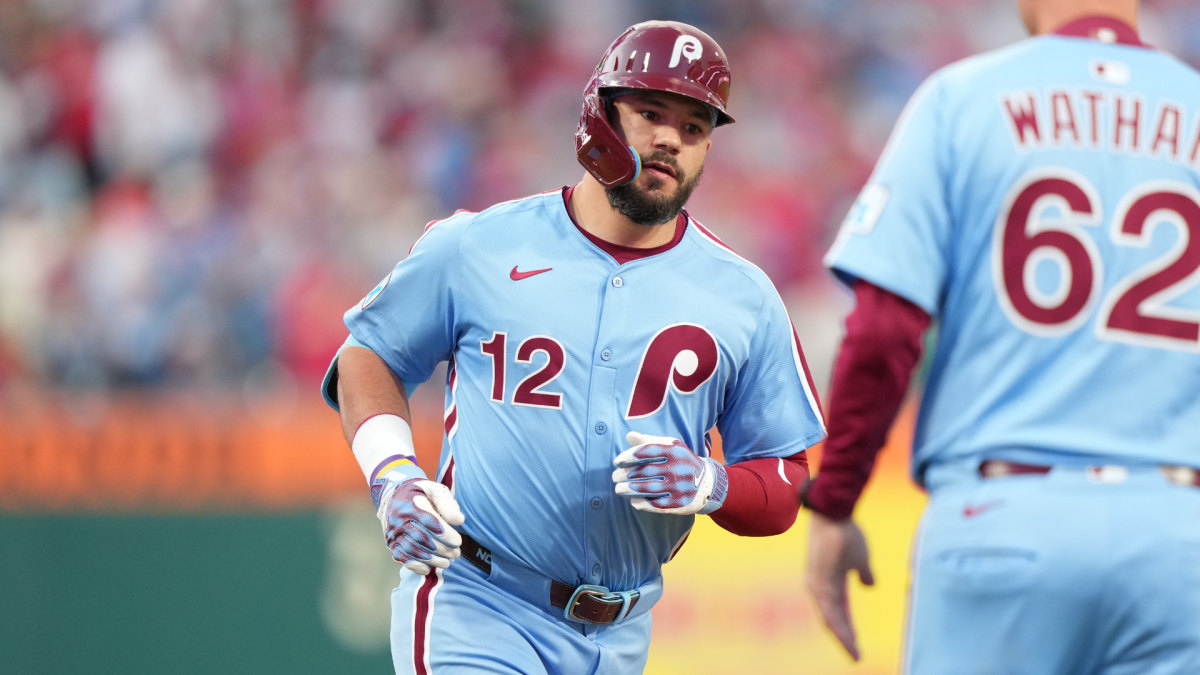
The Philadelphia Phillies and Cincinnati Reds meet for a series finale Wednesday at Citizens Bank Park, with Aaron Nola taking the mound for Philadelphia against Andrew Abbott for Cincinnati in a 1:05 p.m. first pitch. Both teams sit near .500 and are chasing their division leaders—a precarious position that tends to flatten offensive aggression and invite defensive pressure. The headline here is the pitching: Abbott has posted a 0.54 ERA across three May starts with a 2-0 record, while Nola has shown meaningful splits favoring day games and home starts, the exact scenario he faces in Philadelphia.
What's driving the suppressed offensive output from both lineups isn't talent collapse—it's efficiency mismatch. Both clubs rank in the top six in home runs hit but bottom-half in overall run production. That gap suggests they're launching power without consistent table-setting; isolation power doesn't generate runs if runners aren't on base. The Phillies have also benefited from a bullpen ERA of 3.00 in May, which matters on a getaway day when the pen figures into late innings. The over/under is set at 10 runs, a number that has structural appeal to unders if the pitching holds its May form.
Abbott's May split is the sharper edge. A 0.54 ERA across three starts (21 innings, roughly) is a small sample, but it's not noise—it represents a tightening of mechanics or a strategic shift in his arsenal usage. Reds hitters are seeing a different pitcher in May than they saw in April. Nola's home/day-game track record is deeper and more durable; the Phillies are 13-4 on totals of nine runs or higher this season, but that's over-inflated by blowouts and park effects. When Nola pitches at home in day games, the frequency of multi-run innings drops. The model's projection of 8.9 combined runs carries real weight because it's grounded in starter performance, not just team-level offensive averages. The Under at 10 runs benefits from two separate pitcher strengths converging in a single game—a rare alignment.
For prop bettors, the causal chain matters more than the direction. Abbott's May ERA could be a performance spike (small sample, elevated mechanics that won't hold) or a sustainable shift in his pitch mix and command. Nola's day-game advantage is a multi-season pattern documented by multiple sportsbooks; books already price his day-game starts slightly lower on team totals than night starts. What the market may not have fully calibrated is the combination: neither Abbott nor Nola is throwing a shutout-caliber performance, but both are operating 20-30% better than their season averages right now. That's the gap between a 10-run total and an 8.9-run projection. The Under holds value if Abbott's May stretch represents a true shift in command and not a regression candidate, and if Nola's home/day splits continue to behave as they have historically. The edge is moderate-to-durable because Nola's pattern is persistent, but Abbott's is volatile.
The money-line decision hinges on bullpen endurance and spot usage. The Phillies' May bullpen (3.00 ERA) is elite-adjacent but shallow on a getaway day; the Reds pen has been a middling unit, which matters if the game stays tight into the sixth inning. Philadelphia's -145 moneyline prices in a 59% win probability, which squares with their pitching advantage and home-field effect but slightly underweights the fact that Abbott has been the better pitcher in May. The value play on this game isn't the side—it's the total. Fade overs in low-run-projection matinees, especially when one pitcher is hitting an unsustainable peak and the other has a documented home/day-game advantage.